


If someone in your home deals with allergies, it can feel like the symptoms have a mind of their own. One week is fine, the next week you’re sneezing, waking up congested, or dealing with itchy eyes that won’t quit. Florida’s warmth and humidity can make it harder to keep indoor spaces feeling consistently “fresh,” because allergens don’t just come from outside—they build up inside the home too.
The good news is you don’t need an extreme, daily deep-clean to make a noticeable difference. What you need is a realistic routine that targets the places allergens actually collect: carpet fibers, rugs, upholstered furniture, and the hard surfaces that trap fine dust and film. When we’re booked for carpet cleaning in Clearwater, FL, we often hear the same goal: “We just want the house to feel easier to breathe in.” That’s exactly what this routine is built to support, starting with a solid baseline clean. If you want to see what’s included in our process, here’s our main service page: Carpet Cleaning Services.
Why Allergy Symptoms Often Get Worse Indoors
Many people assume allergies are strictly an “outside” issue—pollen, grasses, and seasonal changes. But indoor allergens are often the ones you’re exposed to for the longest stretch of time, especially while sleeping or spending evenings on the couch.
The main indoor allergen “hot spots”
Soft surfaces (carpets, rugs, upholstery) are the biggest reservoirs because they hold onto particles rather than letting them settle on top where they’re easy to remove. Over time, these surfaces can store:
- Fine dust and debris tracked in from outdoors
- Pet dander and hair
- Pollen that hitchhikes on clothing and shoes
- Dust mite particles (especially in fabrics and fibers)
- Cooking residue and everyday oils that make dust stickier
Hard surfaces (tile, grout, vinyl, wood, baseboards) don’t “store” allergens the same way—but they can hold a film that traps fine dust, and they can redistribute particles into the air when you sweep or walk through the space.
Why Florida homes can feel harder to “reset”
Humidity can keep fabrics from drying quickly after DIY cleaning and can make indoor spaces feel stuffy if airflow isn’t great. Also, when people avoid opening windows due to heat or humidity, indoor air can feel more stagnant—meaning buildup on surfaces becomes more noticeable. That’s why an allergy-sensitive routine should focus on consistent removal, not just “fresh smells” or surface-level shine.
The Core Principle: Remove Allergens—Don’t Just Move Them Around
A lot of tile and grout cleaning routines fail because they rely on methods that redistribute dust instead of removing it. Dry dusting with a feather duster, sweeping without controlling fine debris, or using products that leave residue can actually make things feel worse.
What effective allergen-reduction cleaning looks like
- Frequent, targeted removal (especially in the rooms you live in most)
- Low-residue cleaning so surfaces don’t attract dust faster
- Deep cleaning at the right intervals to reset fibers and grout lines
- Moisture control and drying awareness so fabrics don’t stay damp
This is where steam extraction and professional-grade removal steps matter—because the goal isn’t to “freshen” the surface. It’s to pull out what’s trapped.
The Weekly Routine: What to Do Every 7 Days
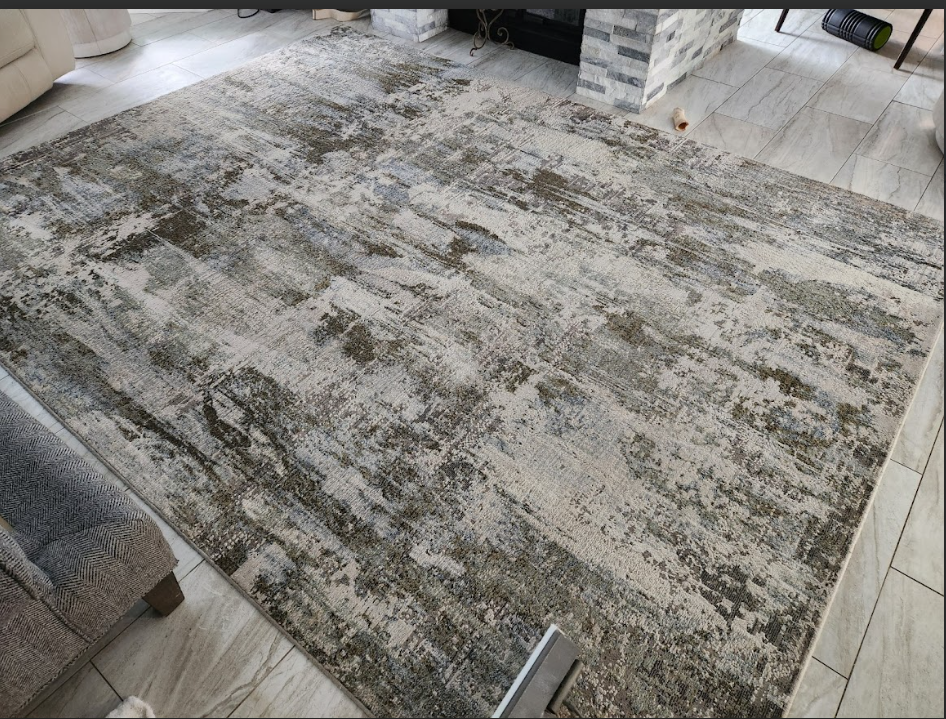
You don’t need to do everything every day. A weekly plan is usually the sweet spot for allergy-sensitive households: consistent enough to prevent heavy buildup, realistic enough to stick with.
1) Vacuum carpets and rugs with intention
Vacuuming is the most important weekly habit for soft surfaces. The trick is doing it in a way that actually lifts embedded grit and fine dust.
What works better than quick passes:
- Vacuum high-traffic paths slowly (two slower passes beats five fast ones)
- Focus on entryways, living room lanes, and under dining areas
- Use attachments along edges where dust collects
- Empty the vacuum bin and clean filters regularly
If you have pets, the “hot zones” are usually where they sleep and where people sit most often.
2) Reduce dust film on hard surfaces (without over-product)
For allergy-sensitive homes, less residue is better. Heavy cleaning solutions can leave a film that grabs onto dust quickly.
Weekly hard-surface priorities:
- Microfiber mop or vacuum hard floors (avoid dry sweeping that kicks dust up)
- Wipe baseboards in main living areas (dust settles there fast)
- Spot-clean sticky areas in kitchens and near entrances
3) Refresh upholstery the easy way
Upholstery often gets ignored because it doesn’t look “dirty” until it suddenly does.
Weekly upholstery habits:
- Use a vacuum attachment on cushions and seams
- Focus on armrests and headrests (oil + dust magnet)
- Wash throw blankets and pillow covers if they’re used daily
These steps won’t replace professional cleaning, but they slow buildup so the home feels better week to week.
The Monthly Routine: The “Reset” Tasks That Keep Symptoms From Creeping Back
Once a month, it’s worth doing a few deeper tasks that many people skip. This is where allergy-sensitive households can see outsized benefits because you’re interrupting buildup cycles before they become heavy.
1) Deep-clean your vacuum and filters
If your vacuum isn’t maintained, it becomes less effective and can recirculate fine dust back into the air.
- Clean or replace filters as recommended
- Check rollers/brush heads for hair and debris
- Clean attachments (they collect dust too)
2) Target rugs and high-contact fabrics
Rugs are often “allergen islands” because they sit in entryways and living spaces, collecting tracked-in debris.
If you have an area rug that gets daily traffic, consider building in a monthly deep attention routine: rotate it, vacuum both directions, and address any spots before they set.
This is also where professional help can be a big advantage for sensitive households—especially when a rug is wool, shag, or high-end and you want a safer method. For specialty rug care, we offer dedicated services like: Wool Rug Cleaning Services.
3) Give upholstery a deeper refresh
Monthly is a good cadence for a more thorough upholstery vacuum (including under cushions and along the frame). If anyone in the home spends hours on the couch daily, upholstery is one of the most overlooked allergen reservoirs.
The Seasonal Routine: When Professional Deep Cleaning Makes the Biggest Difference
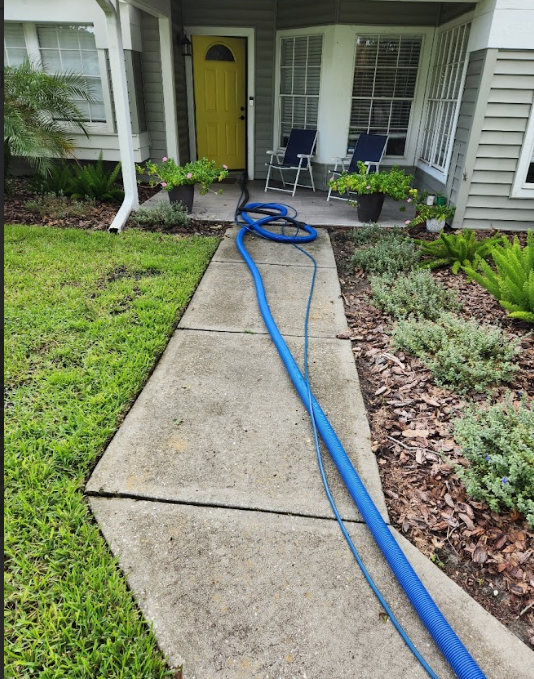
Weekly and monthly habits reduce buildup, but they don’t fully remove what’s embedded deep in fibers and seams. That’s where professional deep cleaning supports allergy-sensitive households—because it gives the home a reset point.
Why steam extraction is helpful for sensitive families
Steam extraction (hot water extraction) is effective because it’s a “lift and remove” process. The goal is to break up soil and allergens, then remove them using strong extraction—rather than leaving loosened material behind.
In allergy-sensitive homes, this matters because fine particles cling to fibers. Vacuuming helps, but it doesn’t always remove what has settled below the surface over months.
Carpets: the biggest indoor allergen storage system
Carpets can hold a lot of fine debris—especially in traffic lanes. Professional extraction helps remove the embedded grit that wears fibers down and contributes to dullness, plus the fine particles that can linger in the home environment.
A practical schedule for many allergy-sensitive homes is professional carpet cleaning every 6–12 months, depending on:
- Pets and shedding
- Number of occupants
- Frequency of visitors and tracked-in debris
- Whether shoes are worn indoors
- How quickly symptoms flare up
Rugs: treat them like “separate rooms”
Area rugs deserve their own schedule because they often collect the heaviest mix of outdoor soil and indoor dust. If your rug is a primary gathering area (living room, entry, or dining), a deep clean can make a real difference in how the room feels.
This is also where people often choose targeted services like rug cleaning in Palm Harbor when they want a convenient, at-home solution that improves cleanliness without a long turnaround.
Upholstery: where allergens live close to your face
You spend hours on your sofa—breathing in whatever has settled into the fabric. Upholstery deep cleaning can be especially helpful for:
- Homes with pets that sit on furniture
- Families with kids and frequent spills
- Households that notice congestion most at night or while relaxing
The key is using the correct method for the fabric—steam cleaning for many durable fabrics, and dry cleaning for delicate or moisture-sensitive materials.
For upholstery, we offer dedicated services here: Fabric Upholstery Cleaning Services.
Hard surfaces: don’t forget the “dust film” zones
Hard floors don’t trap allergens the same way as carpet, but they do collect a film and fine debris that gets redistributed into the air with movement. A seasonal deep clean helps reduce that film and improves the feel of the whole space—especially in kitchens, hallways, and entry zones.
A Simple Whole-Home Cleaning Schedule You Can Actually Follow
Here’s a practical way to combine everything without turning cleaning into a second job.
Weekly (30–60 minutes total, split across days)
- Vacuum high-traffic carpet and rugs
- Microfiber mop or vacuum hard floors
- Upholstery quick vacuum (seams + cushions)
- Wipe baseboards in main living zones
Monthly (60–90 minutes)
- Clean vacuum filters/rollers
- Rotate rugs and deep vacuum both directions
- Wash throw blankets, pillow covers, pet bedding
- Wipe down fan blades and air returns (if accessible)
Every 6–12 months (professional deep clean)
- Steam extraction for carpets (especially traffic lanes)
- Rug deep cleaning (based on material and usage)
- Upholstery deep cleaning (especially “high-contact” zones)
- Deep clean hard floors if residue and film are persistent
This schedule works because it focuses on removal where allergens accumulate most, while staying realistic for busy households.
Bonus Tips for Allergy-Sensitive Homes in Florida
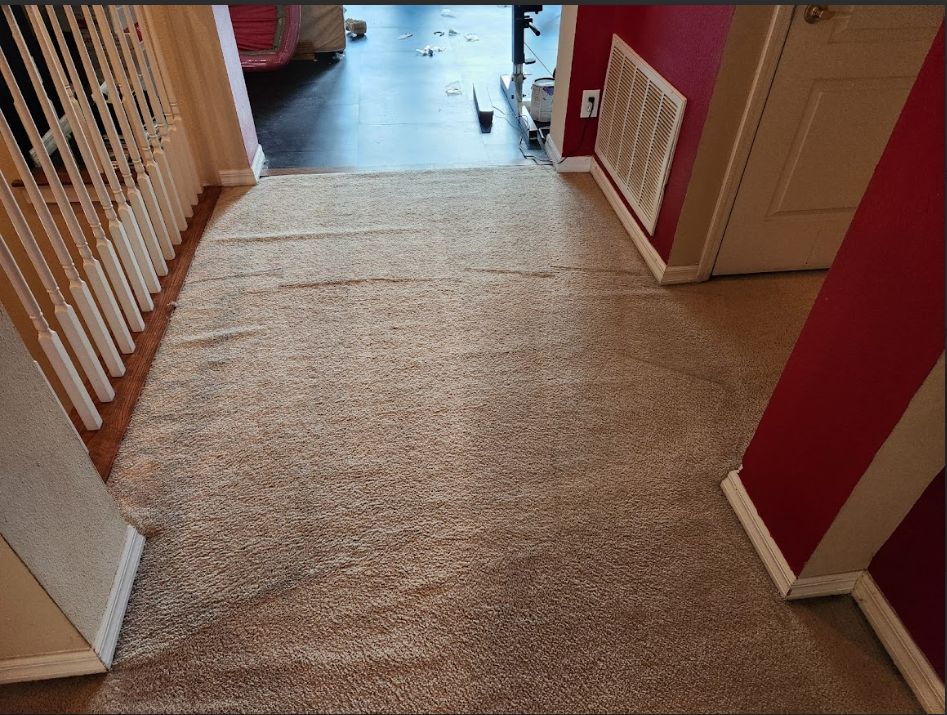
Cleaning is one side of the equation. The other side is reducing how much allergen load enters and lingers.
Control tracked-in debris at the door
- Use an outdoor mat + an indoor mat (two-stage capture)
- Consider a shoes-off routine if symptoms are severe
- Keep a small vacuum or handheld near entry zones for quick resets
Reduce “dust magnets”
- Wash curtains or vacuum them seasonally
- Avoid heavy residue cleaners that create sticky surfaces
- Keep clutter lower in bedrooms and living spaces (less surface area for dust)
Prioritize bedrooms and the main seating area
If you’re trying to reduce symptoms, focus on where people spend the most time:
- Bedrooms (sleep quality is a big symptom driver)
- Living room sofas and rugs
- Hallways that connect rooms (traffic lanes)
A Routine That Makes the Home Feel Easier to Live In

Allergy-sensitive households don’t need perfection—they need consistency. When you combine weekly removal habits with seasonal deep cleaning for the surfaces that trap allergens most, you reduce the “background load” that makes symptoms flare up. Steam extraction helps because it doesn’t just freshen fibers; it focuses on lifting and removing what’s been trapped below the surface.
If you want a full-home reset, we can help you build a cleaning plan that covers carpets, rugs, upholstery, and hard floors in a practical way. Many families pair carpet work with services like tile and grout cleaning in Clearwater when they want the entire home to feel cleaner, not just one room. And for the furniture you sit on every day, professional options like furniture cleaning in Clearwater can make a noticeable difference in comfort and freshness over time.
To see where we service and plan the best routine for your household, visit our Locations page.
When you’re ready, the next step is simple: Contact Steambrite Cleaning Services.
Frequently Asked Questions
1. Why do allergy symptoms feel worse indoors even when windows are closed?
Indoor allergens (dust mites, pet dander, tracked-in pollen) build up in soft surfaces and circulate with airflow, so exposure can be constant.
2. What surfaces hold the most allergens in a Florida home?
Carpets, area rugs, and upholstery tend to hold the most because particles settle deep into fibers instead of staying on top.
3. How often should I vacuum if someone in the home has allergies?
A consistent weekly baseline helps most households, with extra focus on high-traffic paths and pet zones.
4. Is sweeping hard floors bad for allergies?
Dry sweeping can kick fine dust into the air. A vacuum designed for hard floors or a microfiber mop is usually better for capturing debris.
5. What kind of vacuum works best for allergy-sensitive homes?
One that seals well, has strong suction, and is maintained (clean filters/rollers). A poorly maintained vacuum can blow fine dust back out.
6. How often should rugs be deep-cleaned if allergies are a concern?
High-traffic rugs often benefit from periodic deep cleaning, especially entry and living room rugs that collect tracked-in debris.
7. Does steam extraction actually reduce allergens or just make things smell fresh?
Its value is “lift and remove”—breaking up and extracting what’s trapped in fibers, rather than masking odors or shifting dust around.
8. How often should carpets be professionally cleaned in allergy-sensitive homes?
Many homes do well with every 6–12 months, adjusted for pets, foot traffic, and symptom flare-ups.
9. What’s the quickest weekly routine that still helps allergies?
Slow vacuuming of traffic lanes + microfiber mopping hard floors + quick upholstery vacuum on seams/cushions (and washing throws if used daily).
10. What else can I do besides cleaning to reduce allergens coming in?
Use a two-mat entry setup (outside + inside), consider a shoes-off habit, and prioritize bedrooms and main seating areas first.
