


Tile flooring is a practical choice for Florida homes. It can handle busy households, frequent foot traffic, spills, and the everyday demands of kitchens, bathrooms, entryways, and living spaces. But while the tile itself may continue looking relatively good with regular sweeping and mopping, the grout between those tiles can tell a very different story.
Over time, grout can collect dirt, food residue, soap buildup, and other debris that routine cleaning doesn’t always remove. Moisture can create another challenge, particularly in bathrooms and other areas where floors stay damp. The result may be darkened grout lines, dull-looking tile, or flooring that simply doesn’t look as clean as it used to.
That’s where professional tile and grout cleaning in Florida can make a difference. A thorough cleaning can address accumulated soil across the floor while giving particular attention to grout lines and heavily used areas.
Understanding how tile and grout become dirty, what different flooring materials require, and how professional cleaning works can help homeowners make better decisions about floor care. In this guide, we’ll explore the most common causes of tile and grout discoloration, cleaning mistakes to avoid, signs that your floors need professional attention, and practical ways to maintain them between professional services.
We’ll also look at why professional cleaning is different from everyday maintenance and how a specialized tile cleaning service can approach different flooring materials safely and effectively.
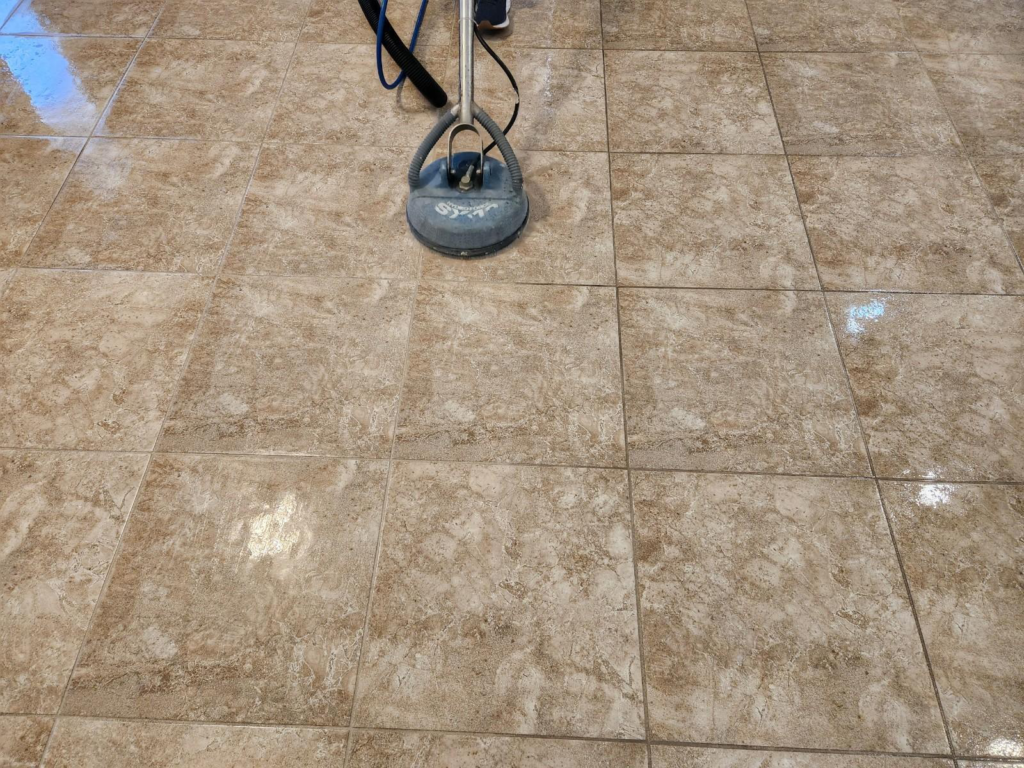
Why Tile and Grout Become Dirty Over Time
Tile floors are often chosen because they are durable and relatively straightforward to maintain. However, “easy to maintain” doesn’t mean they are immune to accumulated dirt. Every time someone walks across a floor, small amounts of dust, soil, and debris can be deposited on its surface. Spills, cooking residue, pet activity, and moisture add to the buildup.
The biggest difference is often found between the tile and the grout.
Tile and Grout Don’t Get Dirty in the Same Way
Many tile surfaces are relatively smooth, allowing everyday dirt to be swept or mopped away. Grout, on the other hand, has a more porous texture. Its recessed position between tiles also means it can collect material that isn’t fully removed during routine floor cleaning.
This is one reason a floor can appear clean from a distance while the grout lines remain visibly darker.
Good Housekeeping’s cleaning experts similarly note that grout can harbor dirt, mold, grime, and residue, making it one of the more challenging parts of tile maintenance.
Everyday Sources of Tile and Grout Buildup
Several ordinary household activities contribute to gradual discoloration, including:
- Foot traffic: Shoes can bring in soil, dust, and outdoor debris.
- Food and drink spills: Kitchens are particularly susceptible to sticky or greasy residue.
- Pet activity: Pets can track dirt across floors and contribute to everyday grime.
- Soap and product residue: Bathrooms may develop buildup around frequently used areas.
- Moisture: Damp environments can make keeping grout clean more challenging.
- Outdoor debris: Entryways often receive the greatest concentration of tracked-in dirt.
Florida’s warm, humid conditions can make moisture management particularly important. The U.S. Environmental Protection Agency recommends addressing water problems promptly, keeping damp areas dry, and cleaning hard surfaces appropriately when moisture-related problems occur.
Why Regular Mopping May Not Be Enough
Routine cleaning still has an important role in floor care. Sweeping, vacuuming, and mopping can remove loose dirt and help prevent everyday buildup from becoming excessive. However, these tasks aren’t necessarily designed to address soil that has accumulated within textured or porous grout lines.
That’s why homeowners may eventually notice that their floors still look dull even though they clean them regularly.
So while regular maintenance helps manage everyday dirt, periodic deep cleaning is what helps address accumulated soil that routine methods leave behind.
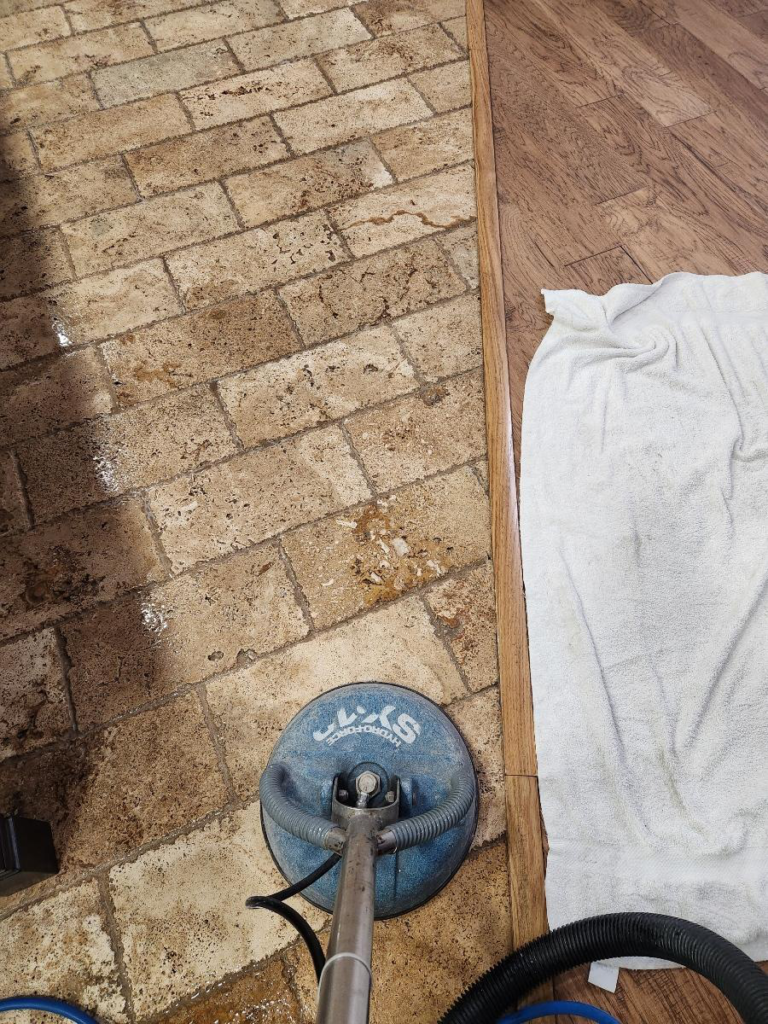
High-Traffic Areas Usually Show It First
You may notice discoloration sooner in areas such as:
- Kitchen floors
- Bathroom floors
- Hallways
- Entryways
- Areas around exterior doors
- Frequently used living spaces
These areas experience more foot traffic and therefore receive a greater amount of dirt over time. Rather than waiting until the entire floor looks heavily soiled, homeowners can pay attention to these early signs and address them as part of a broader hard surface cleaning routine.
Professional cleaning can be especially useful when ordinary maintenance no longer produces the improvement you’re looking for. The goal isn’t simply to make a floor look cleaner for a day; it’s to address the accumulated soil that has built up through normal household use.
For Florida homeowners, that distinction is important. Tile may be durable enough to remain in place for years, but maintaining its appearance requires more than occasionally wiping the surface. A combination of regular care and appropriate professional cleaning can help keep tile and grout looking their best for longer.
Different Types of Tile Require Different Cleaning Approaches
Not every tile floor should be cleaned in exactly the same way. The material, finish, texture, and condition of the flooring can all influence which cleaning approach is appropriate. Understanding these differences is especially important when arranging professional tile and grout cleaning in Clearwater, where tile is commonly used throughout kitchens, bathrooms, living areas, and entryways.
Ceramic Tile
Ceramic tile is a popular flooring option because it is durable and relatively easy to maintain. Glazed ceramic surfaces are generally resistant to everyday moisture and staining, although the grout surrounding them can still collect significant amounts of soil. Regular dust removal and appropriate cleaning can help prevent dirt from accumulating along grout joints.
Porcelain Tile
Porcelain is another durable option frequently used throughout residential properties. Its dense surface generally makes it easier to maintain than many natural stone materials. However, textured porcelain and its grout lines can still trap dirt, particularly in high-traffic areas.
Natural Stone Tile
Marble, travertine, limestone, and other natural stones require more specialized care. Their composition can affect how they respond to cleaning products, which is why identifying the specific stone before cleaning is important. The Natural Stone Institute recommends understanding the stone’s composition and using appropriate, non-acidic cleaning products for sensitive stone types.
Why Flooring Identification Matters
Using an inappropriate product or technique can potentially damage a flooring surface rather than improve it. Professionals offering tile cleaning services can assess the material and its condition before determining an appropriate cleaning approach.
Why Grout Is Often the Hardest Part to Clean
When homeowners notice that their tile floor no longer looks as fresh as it once did, the grout is often responsible. Tile surfaces can be relatively smooth, while grout joints are typically more porous and recessed. This allows dirt and residue to accumulate in places that routine mopping may not fully reach.
Grout Is More Porous Than Many Tile Surfaces
The difference between tile and grout is important. Ceramic and porcelain tile can be highly resistant to liquid penetration, while cement-based grout is generally much more porous. LATICRETE notes that grout joints typically require appropriate maintenance because of their porous nature.
Surface Dirt vs. Embedded Soil
Regular sweeping and mopping are valuable for removing loose dirt and everyday residue. However, once soil becomes established within grout lines, simply passing a mop over the floor may not provide the same level of cleaning.
This is particularly noticeable in kitchens, bathrooms, hallways, and entryways where repeated foot traffic introduces more dirt.
Why Grout Changes Color
Grout can gradually become darker or discolored as it collects dust, soil, spills, grease, and other household residue. Moisture and product buildup can also contribute to an increasingly dull appearance in bathrooms and other wet areas.
That is why a floor can technically be cleaned regularly while still looking tired.
Professional grout cleaning focuses on the areas between tiles where accumulated soil can be particularly difficult to address through everyday maintenance.
For homeowners considering hard surface cleaning, treating grout as part of the floor rather than an afterthought can make a significant difference to the overall appearance.
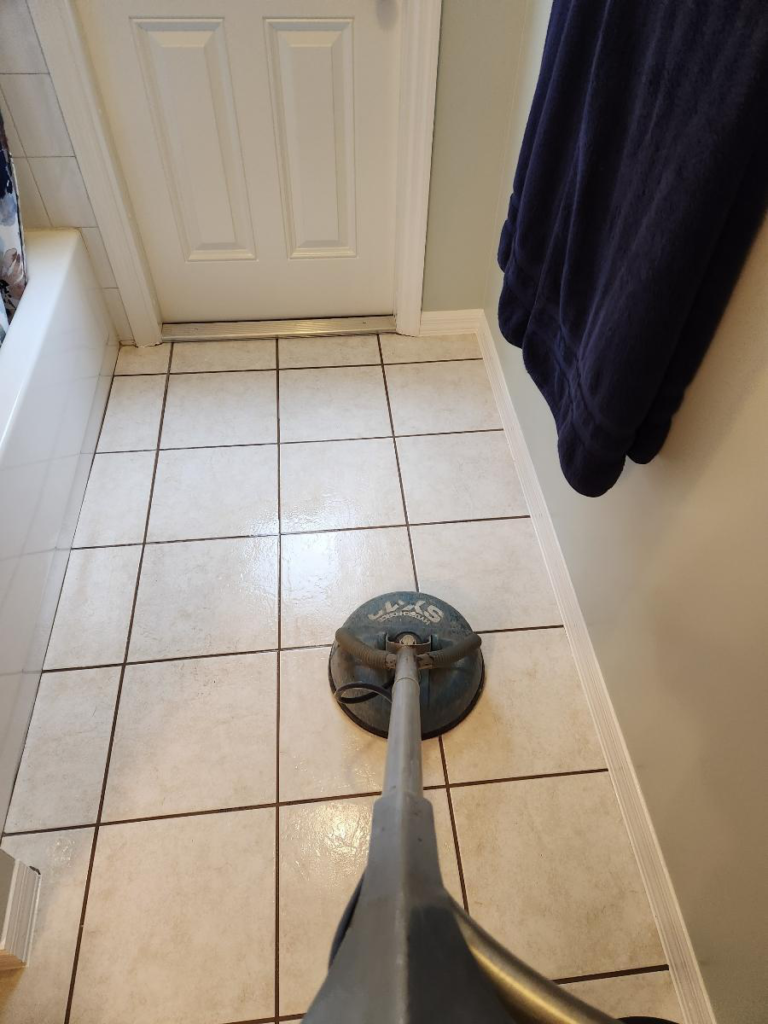
How Professional Steam Cleaning Works
Professional steam cleaning provides a deeper approach to floor care than routine sweeping or mopping. Rather than simply addressing loose surface dirt, the process is designed to tackle accumulated soil across tile and grout using professional equipment and an appropriate cleaning solution.
Step 1: Assessing the Flooring
The cleaning process begins by considering the type and condition of the floor. Ceramic, porcelain, and natural stone surfaces can have different care requirements, so identifying the material is an important first step.
Step 2: Selecting an Appropriate Solution
The cleaning solution should be suitable for the specific tile type and the type of soil being addressed. This is particularly important when working with natural stone, as certain acidic products can damage acid-sensitive stones.
Step 3: Professional Steam Cleaning
Steam cleaning equipment is then used to work across the flooring and address accumulated dirt. Particular attention can be given to grout lines and areas showing heavier buildup.
Step 4: Addressing Heavily Soiled Areas
High-traffic sections may require additional attention because they tend to collect more soil than less frequently used areas. Kitchens, bathrooms, hallways, and entrances are common examples.
Step 5: Final Assessment
Once cleaning is complete, the flooring can be assessed to determine the results and identify any areas where discoloration may be permanent or related to damage rather than removable soil.
This approach allows professional tile and grout cleaning in Florida to go beyond everyday floor maintenance while keeping the cleaning process appropriate for the flooring being treated.
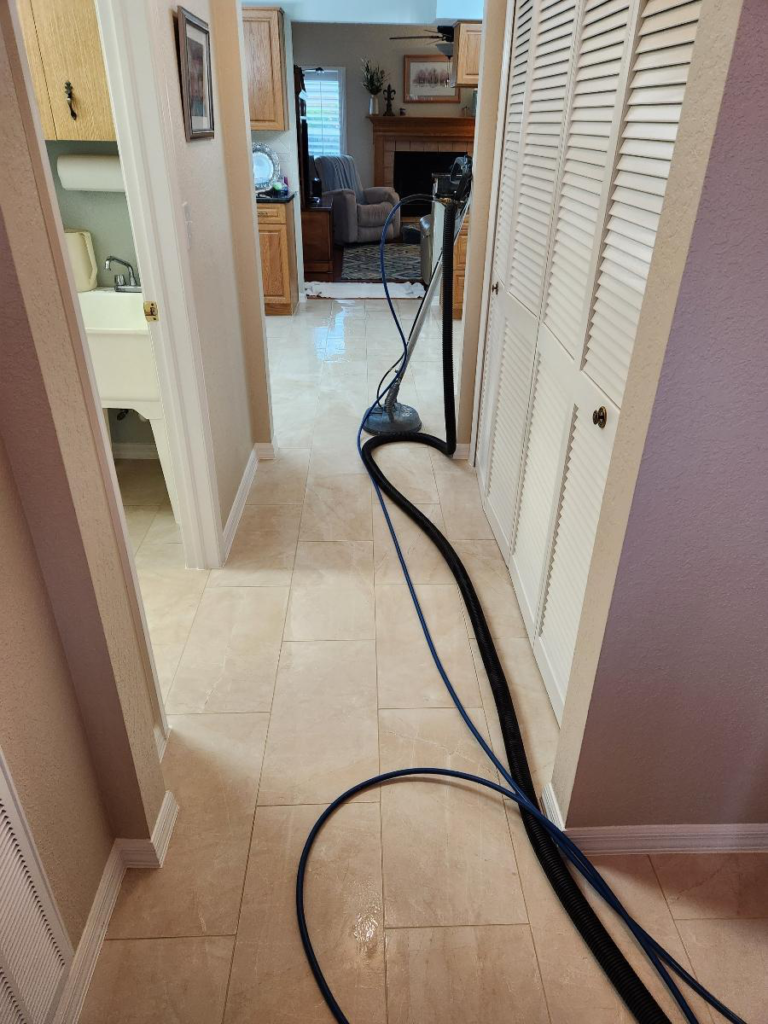
Signs Your Tile and Grout Need Professional Cleaning
Knowing when to move beyond routine maintenance can help homeowners address buildup before their floors become difficult to manage. You may not need professional cleaning every time your tile looks slightly dull, but certain changes indicate that everyday cleaning is no longer producing the desired results.
Grout Has Become Noticeably Darker
If grout lines that were once light and consistent have gradually turned gray, brown, or yellow, accumulated soil may be the cause. Because grout can trap dirt and residue, discoloration may remain even after regular mopping.
Mopping Doesn’t Seem to Make a Difference
If you clean your floors regularly but they continue to look dull or dirty, the problem may be buildup that routine maintenance cannot adequately address. Professional cleaning can provide a deeper approach than everyday floor care.
High-Traffic Areas Look Worse Than the Rest
Entryways, kitchens, hallways, and frequently used bathrooms naturally receive more traffic. If these areas have noticeably darker grout or more visible soil, they may benefit from professional attention.
Your Floor Looks Dull Despite Being Clean
Sometimes the issue isn’t obvious staining but a gradual loss of freshness caused by accumulated residue. A professional tile and grout cleaning service in Florida can help refresh the appearance of the flooring.
DIY Cleaning Takes Too Much Time
Grout-by-grout scrubbing can become a major household chore, particularly when an entire floor needs attention. If you’ve repeatedly tried household methods without getting the results you want, it may be more practical to bring in a professional cleaning service.
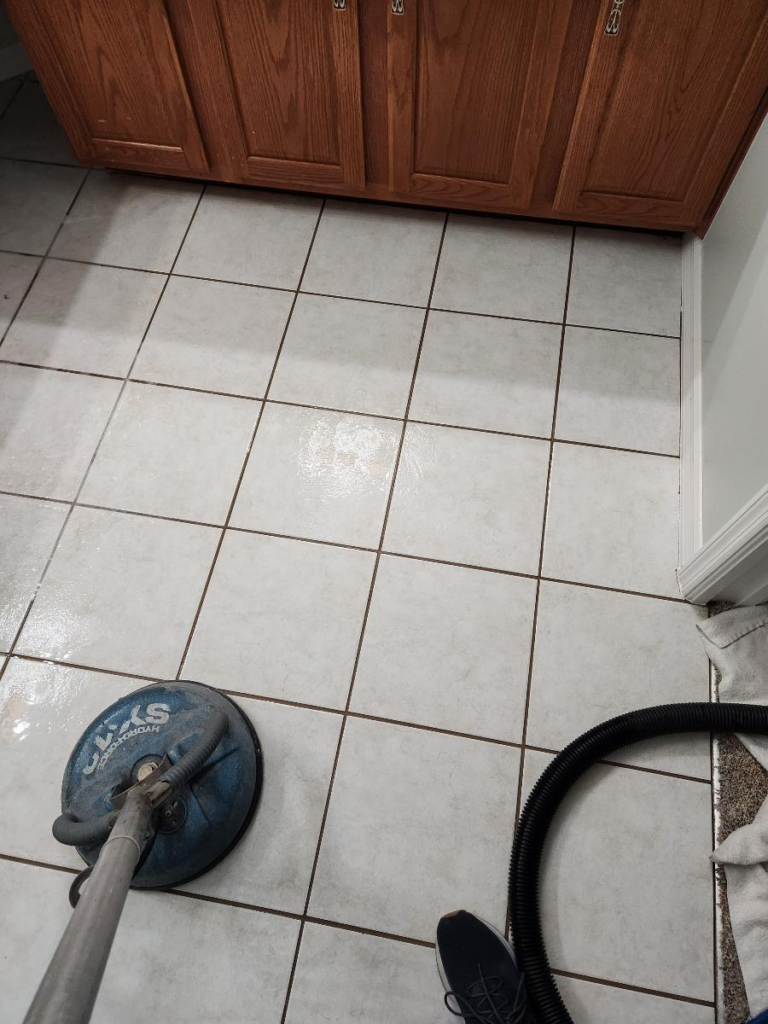
Common Tile and Grout Cleaning Mistakes Homeowners Make
Regular maintenance is essential, but the wrong approach can make cleaning more difficult or potentially affect the flooring. Understanding common mistakes can help homeowners protect their investment.
Using Too Much Cleaning Product
More cleaner doesn’t automatically mean a cleaner floor. Excess product can leave residue behind, which may make tile feel sticky or attract additional dirt. Experts recommend using the appropriate amount of cleaner and rinsing thoroughly when cleaning tile floors.
Using the Wrong Cleaner
Not every cleaning product is appropriate for every flooring material. Natural stone, for example, can be particularly sensitive to certain acidic or abrasive products. Always check that a product is suitable for the specific tile and grout being cleaned.
Scrubbing Grout Too Aggressively
When grout looks dirty, homeowners may reach immediately for a stiff brush and spend hours scrubbing. While targeted agitation can be useful for some cleaning tasks, excessive effort isn’t necessarily the best solution for extensive buildup.
Treating Every Tile the Same
Ceramic, porcelain, and natural stone have different characteristics. A cleaning approach that works well for one surface may not be appropriate for another. This is one reason professional hard surface cleaning should begin with an assessment of the flooring.
Ignoring Spills and Moisture
Allowing spills and moisture to remain on flooring for extended periods can contribute to staining and buildup. Prompt cleanup and good ventilation are important parts of ongoing tile maintenance.
Waiting Until the Floor Is Extremely Dirty
Professional cleaning doesn’t have to be reserved for neglected floors. Addressing accumulated soil periodically can make ongoing maintenance easier and help keep frequently used flooring looking presentable.
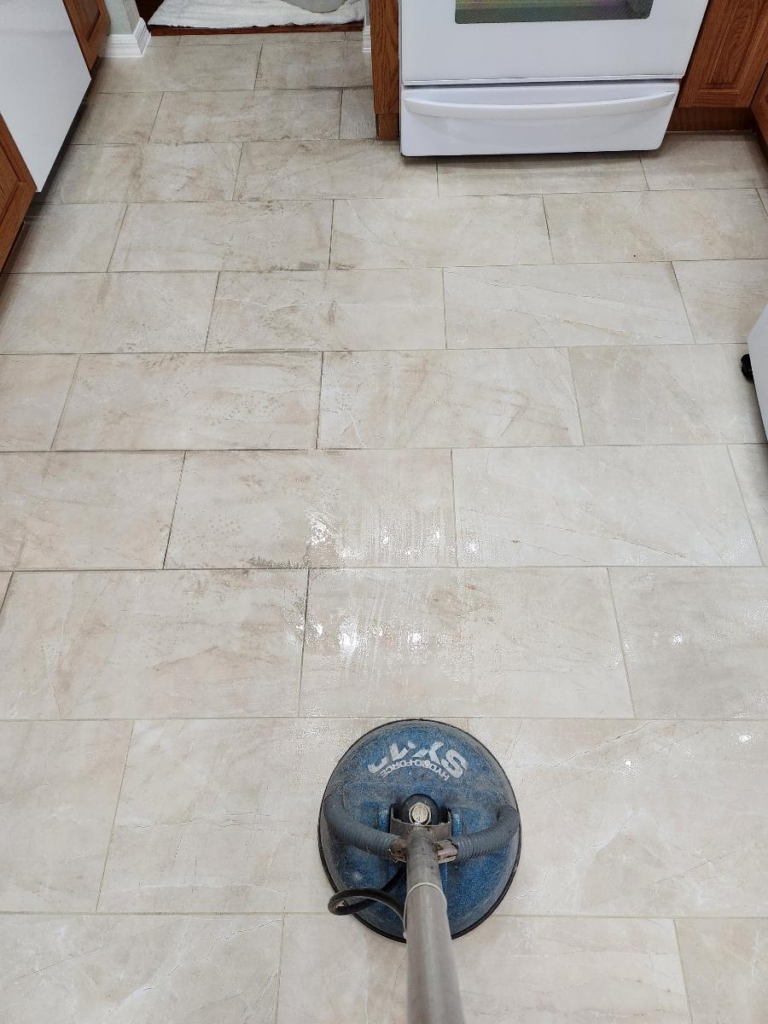
Tile and Grout Cleaning vs. DIY Cleaning: When Should You Call a Professional?
DIY cleaning has an important place in maintaining tile floors. Sweeping or vacuuming regularly, wiping up spills, and mopping with an appropriate cleaner can help control everyday dirt. These simple habits can reduce the amount of soil that accumulates between professional cleanings.
However, routine maintenance has its limits.
When DIY Cleaning Is Usually Enough
Homeowners can generally handle everyday tasks such as:
- Removing loose dirt and debris
- Cleaning fresh spills
- Routine mopping
- Paying extra attention to high-traffic areas
- Keeping bathrooms adequately ventilated
- Addressing minor surface buildup
Good Housekeeping recommends regular sweeping or vacuuming and prompt spill cleanup as part of maintaining cleaner tile floors between deeper cleanings.
When Professional Cleaning Makes More Sense
Professional help becomes worth considering when grout remains discolored despite routine cleaning, dirt appears embedded, large areas need attention, or DIY methods are taking considerable time without producing satisfactory results.
This distinction is important: professional cleaning isn’t intended to replace regular household care. Instead, the two complement one another. Routine maintenance controls everyday soil, while professional cleaning can address accumulated buildup across larger areas.
For homeowners comparing tile and grout cleaning options in Florida, look for a certified cleaning company in Florida that understands different flooring materials and uses an appropriate cleaning process rather than relying on a one-size-fits-all approach.
Whether the need involves a single heavily used room or broader floor cleaning in Florida, professional assessment can help determine the most suitable next step.
Tile and Grout Cleaning for Different Areas of the Home
Tile flooring serves different purposes throughout a Florida home, and each area can develop its own type of buildup. Understanding these differences can help homeowners recognize when routine maintenance isn’t enough, and professional tile and grout cleaning in Florida may be beneficial.
Kitchens
Kitchen floors deal with food spills, grease, crumbs, and constant foot traffic. Even when spills are cleaned quickly, residue can gradually accumulate around grout lines. High-use areas near sinks, counters, and appliances may require more attention than less frequently used sections of the floor.
Bathrooms
Bathrooms present a different set of challenges. Regular exposure to moisture, personal-care products, and everyday traffic can contribute to buildup on both tile and grout. Keeping surfaces clean and allowing the area to dry properly between uses can support ongoing maintenance. When grout remains discolored despite regular cleaning, professional grout cleaning Clearwater homeowners can use may provide a deeper solution.
Entryways and Hallways
Entryways are among the first places where outdoor dirt reaches your floors. Shoes can bring in soil, sand, and other debris, which can gradually spread into hallways and adjoining rooms. Regular sweeping or vacuuming helps remove loose debris, while periodic professional cleaning can address accumulated soil that remains behind.
Living Areas
Living rooms, dining areas, and other common spaces may not experience the same spills or moisture as kitchens and bathrooms, but they can still collect considerable dirt through everyday foot traffic. Homes with pets, children, or frequent visitors may notice buildup more quickly.
High-Traffic Areas
Regardless of the room, areas that receive constant use tend to show dirt first. Paying attention to these sections can help homeowners determine when professional tile cleaning service is appropriate.
A comprehensive approach to hard surface cleaning considers where the flooring is located, how it is used, and what type of tile and grout it contains. Rather than applying the same process everywhere, professional cleaners can determine the appropriate method for each area.
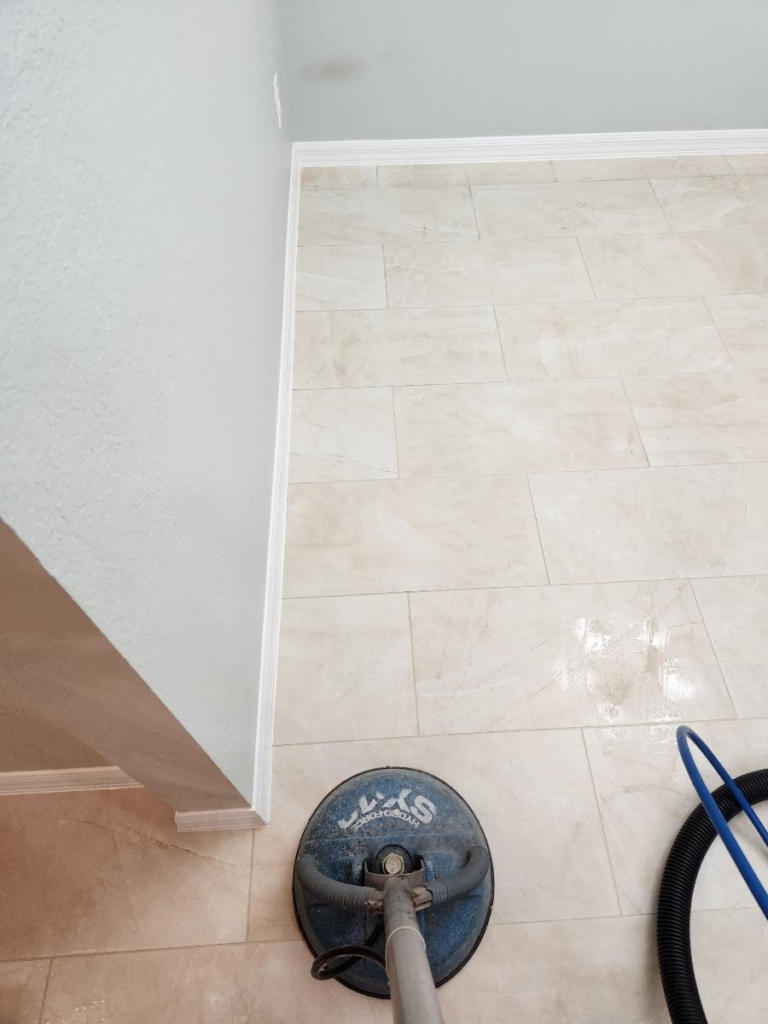
Refresh Your Tile and Grout With Steambrite Cleaning Services
Clean floors can make an entire home feel fresher, but stubborn grout and accumulated soil can be difficult to address with routine household cleaning alone. Steambrite Cleaning Services provides professional tile and grout cleaning using steam cleaning and solutions selected for the specific type of tile being treated.
Whether your kitchen floor has developed heavy traffic buildup, your bathroom grout looks dull, or your entryways need a deeper clean, professional service can help refresh your existing flooring.
Steambrite also handles larger cleaning projects, including whole-house tile and grout and carpet cleaning, whole-house LVP and LVT cleaning, wood and laminate floor cleaning, and upholstery cleaning for multi-piece sectionals. Our team can clean multiple rooms and surfaces throughout your home as part of a more comprehensive professional cleaning service.
Ready for cleaner-looking floors? Contact Steambrite Cleaning Services today to discuss your tile and grout cleaning needs and find the right cleaning approach for your Florida home.
