


Upholstered furniture is part of everyday life. Sofas, sectionals, dining chairs, accent chairs, ottomans, and other fabric-covered pieces collect dust, body oils, food particles, pet dander, and spills over time. Even when furniture looks reasonably clean, its fabric can hold buildup below the surface. For homeowners considering upholstery cleaning, understanding what professional service involves can make it easier to decide when a deeper cleaning is appropriate.
Professional upholstery cleaning is more than making a sofa look brighter. Proper cleaning can remove accumulated soil, address many common stains, reduce unwanted odors, and refresh fabric that has become dull from regular use. It can also support better furniture maintenance by dealing with buildup before it becomes harder to remove.
This guide explains what professional upholstery cleaning can cover, how sofas and multi-piece sectionals differ, what homeowners should expect before and after service, and how routine care can help upholstered furniture remain comfortable and presentable.
Why Upholstered Furniture Gets Dirty
Furniture is exposed to repeated contact every day. People sit, recline, eat, work, nap, and relax on upholstered pieces. Over time, that activity transfers dust and oils onto fabric. Small crumbs can settle between cushions, while pet hair may collect along seams and underneath removable cushions.
Airborne dust also contributes to buildup. Upholstery can catch particles that circulate through the home, particularly when furniture sits in busy rooms. Windows, doors, pets, children, and daily movement can all contribute additional soil.
Spills are another common issue. Coffee, juice, sauces, greasy foods, and other substances can leave visible marks. Some spills are easy to notice immediately, while others dry into the fabric and become less obvious until the area begins to look darker.
Odors can develop when substances remain in or on the material. Pet accidents, food residue, smoke, and general household smells may become noticeable over time. Cleaning can address removable sources of odor, although persistent smells may require specialized treatment or additional attention depending on their source.
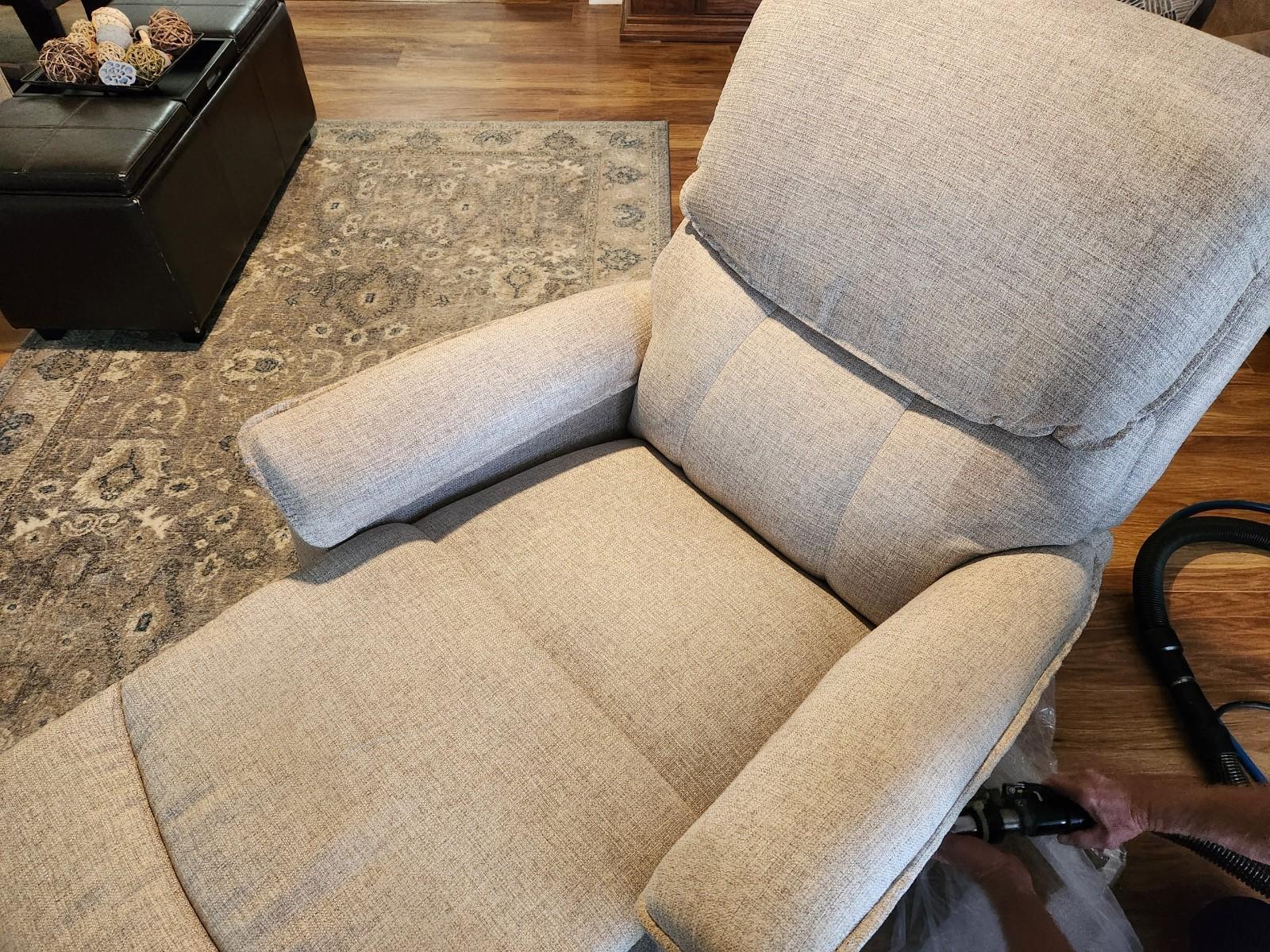
What Professional Upholstery Cleaning Can Address
Professional service is designed to clean upholstery according to the furniture’s material, condition, construction, and cleaning requirements. The process may address surface soil, embedded dirt, spots, stains, and odor-causing residue.
A professional cleaner first needs to understand what is being cleaned. Upholstery is not one universal material. Cotton blends, polyester, microfiber, linen blends, velvet, performance fabrics, and other materials can have different care requirements. The furniture’s cleaning code, manufacturer guidance, and overall condition can help determine an appropriate approach.
Visible stains may receive focused treatment before the main cleaning process. This helps loosen certain soils so they can be removed more effectively. Results vary, as stains differ in age, composition, and how deeply they have affected the material.
Professional cleaning can also help remove the accumulated soil that routine vacuuming cannot fully address. Vacuuming remains useful between services, but it generally focuses on loose debris rather than deeper buildup within fabric and seams.
Sofa Cleaning: What the Service Covers
A sofa has several areas that deserve attention. The main seating surface is usually the most heavily used, but armrests, back cushions, front panels, sides, and lower sections can also collect soil.
Professional sofa cleaning typically begins with an inspection. The cleaner can identify heavily soiled sections, visible stains, fabric characteristics, and areas that may need extra care. Cushions may be cleaned separately when appropriate, allowing attention to seams, edges, and areas that receive frequent contact.
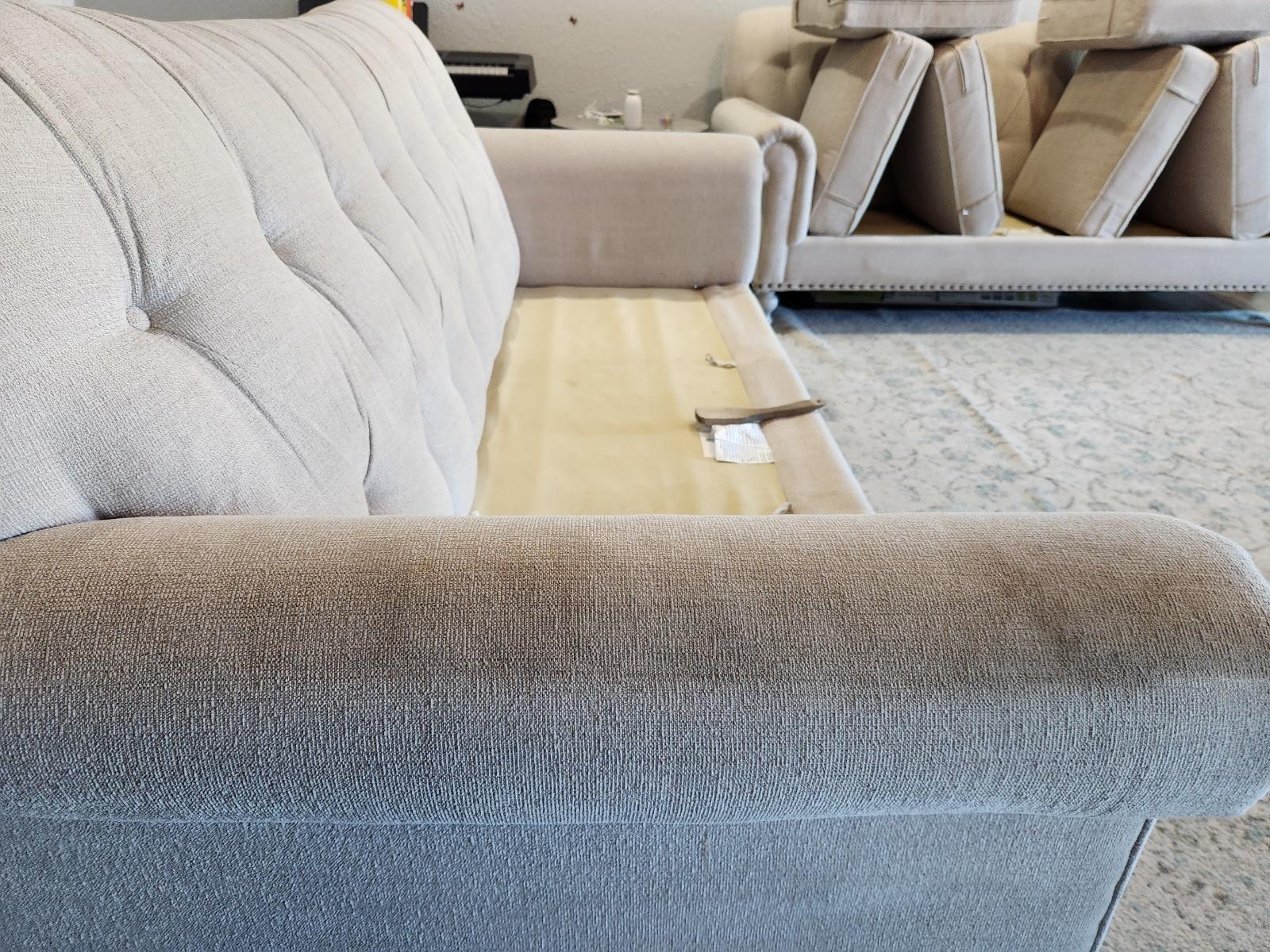
Armrests often become darker because hands and arms repeatedly touch them. The front edge of the seat can also collect dirt from feet, clothing, and everyday movement. Cleaning these areas helps create a more consistent overall appearance.
The underside and back of a sofa may not receive the same level of attention as the seating area, but accessible upholstery can still collect dust and particles. A professional service can determine which sections are suitable for cleaning based on construction and access.
Cleaning Multi-Piece Sectionals
Sectionals require a slightly different approach because they consist of multiple connected or separate pieces. A large sectional can include corner units, armless seats, chaise sections, ottomans, and removable cushions.
Each piece can receive repeated use, but traffic is rarely distributed evenly. One seat may be used every day while another receives occasional use. This can create noticeable differences in soil levels between sections.
Professional cleaning can address the sectional as a complete furniture group while giving extra attention to areas that need it. Cushions, seams, corners, and transitions between pieces can collect debris and require careful handling.
The arrangement of a sectional also matters. Access around the furniture can affect how thoroughly accessible surfaces can be cleaned. Homeowners should clear small objects and personal items from the furniture before the appointment. If a piece needs to be moved, the cleaner can determine what movement is safe based on its size, weight, and construction.
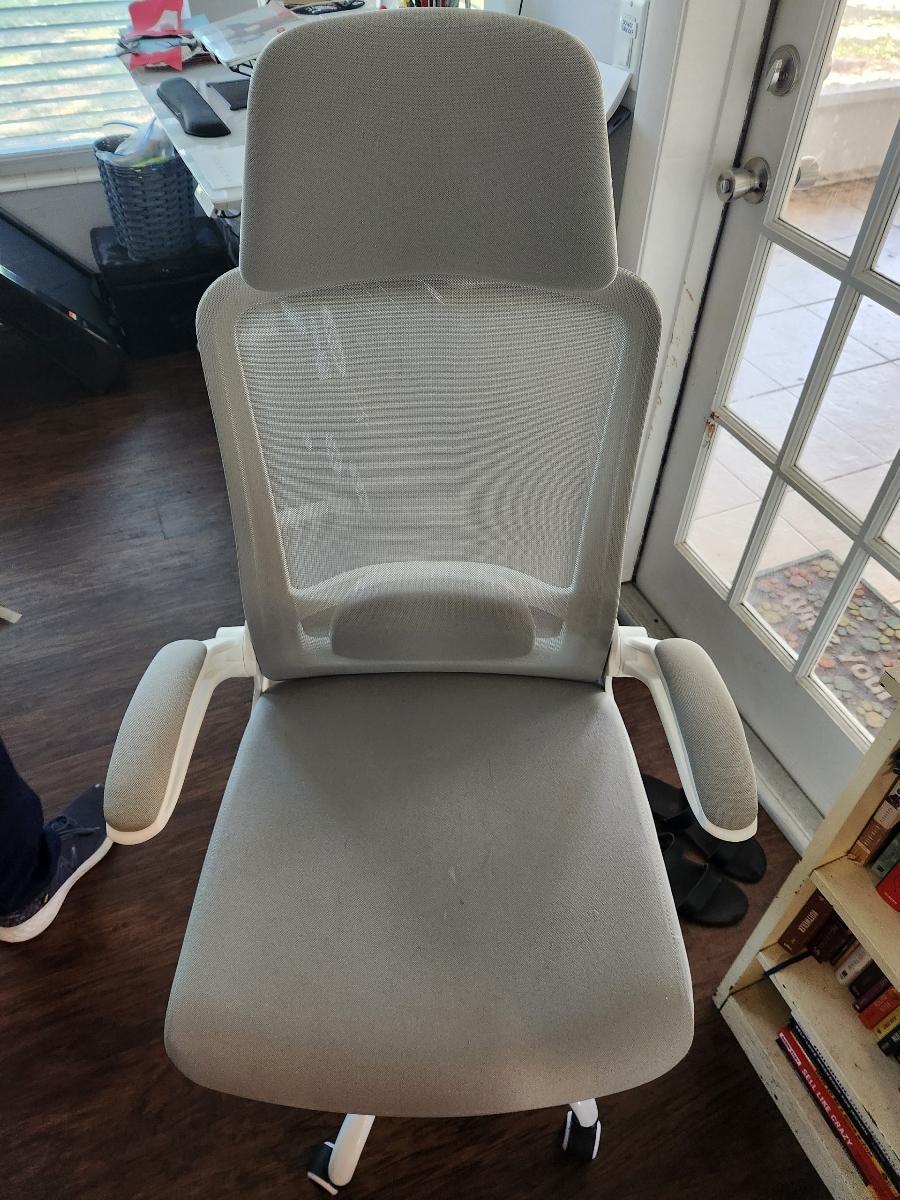
Chairs, Ottomans, and Other Upholstered Pieces
Upholstery cleaning is not limited to sofas. Dining chairs, recliners, lounge chairs, ottomans, benches, and other upholstered pieces can also accumulate soil.
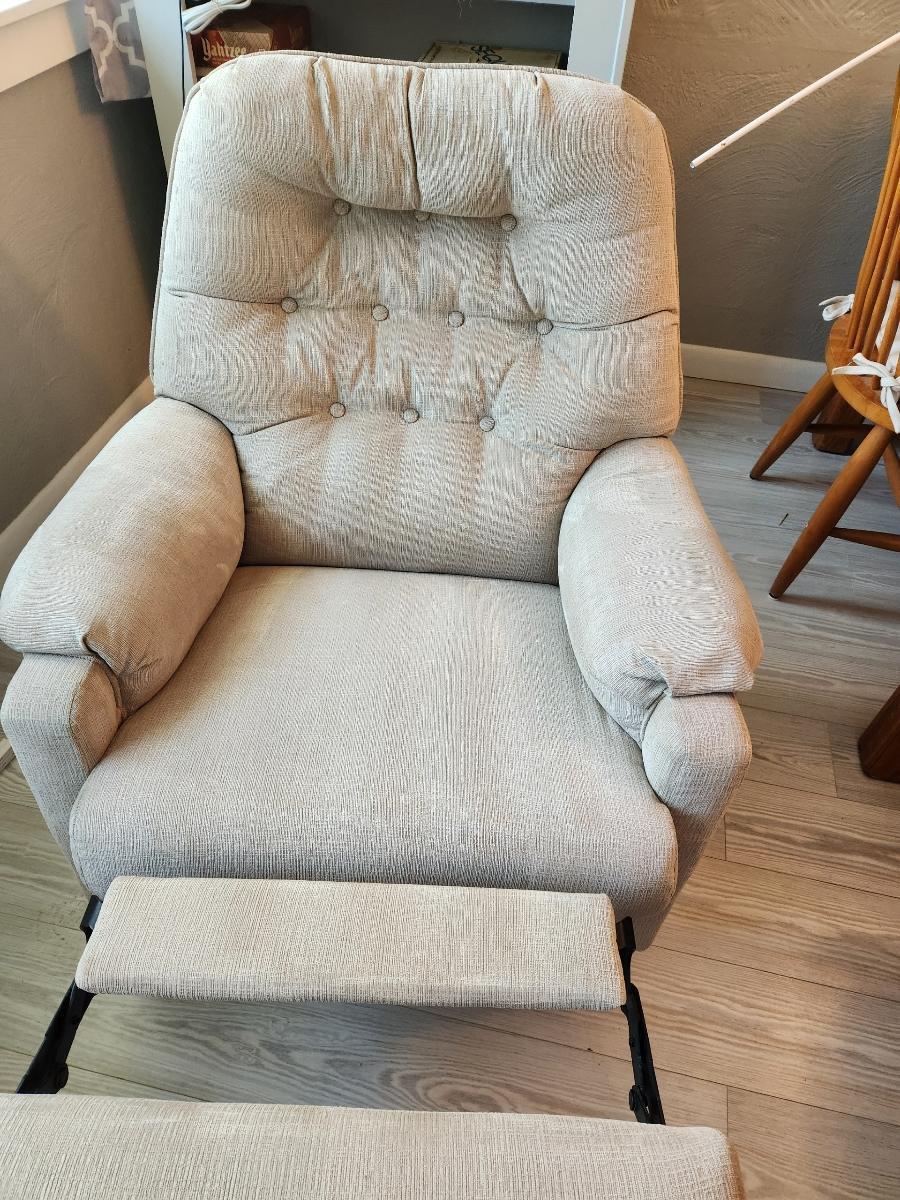
Dining chairs may develop food and drink stains, especially around seat fronts and edges. Recliners can collect oils and dirt in areas that receive frequent contact. Ottomans are often used as footrests, so their tops may experience heavier soil than homeowners realize.
Accent chairs can also benefit from professional cleaning even when they receive less daily use. Dust can settle into fabric, and occasional spills may leave marks that become more visible with time.
Cleaning these pieces along with a sofa or sectional can help create a more consistent appearance throughout a room. It may also be convenient to handle several upholstered items during one appointment rather than waiting until each piece needs separate attention.
Stain Treatment and Realistic Expectations
Stain removal is one of the most common reasons homeowners schedule upholstery cleaning. However, professional cleaning cannot guarantee that every stain will disappear completely.
The outcome depends on the substance, age of the stain, fabric type, previous cleaning attempts, heat exposure, and whether the material has been permanently altered. Some substances can cause discoloration or damage that cleaning cannot reverse.
Fresh spills should be addressed carefully. Rubbing aggressively can spread a stain or push material deeper into fabric. Blotting may be safer for many spills until professional advice is available. Homeowners should also avoid applying random household products because an unsuitable chemical can affect color, texture, or fabric condition.
A professional cleaner can assess the stain and determine whether specialized treatment is appropriate. Even when a mark remains, removing surrounding soil may improve the overall appearance of the furniture.
Odor Removal and Fabric Freshness
Odor is often connected to material left behind in upholstery. Food residue, pet-related contamination, smoke, and accumulated household soil can contribute to unpleasant smells.
Professional cleaning can remove many odor sources when they are accessible through the cleaning process. In some situations, an additional odor treatment may be recommended. This can be especially relevant when a smell has a specific source or has affected more than the visible surface.
It is important to distinguish between masking an odor and cleaning its source. Fragrances may make a room smell different temporarily, while proper cleaning focuses on removing soil and residue that contribute to the problem.
Persistent odor may also come from cushions, padding, flooring, walls, or another nearby source rather than the upholstery alone. If the smell remains after cleaning, identifying the source is the next useful step.
Why Routine Upholstery Care Matters
Professional cleaning works best as part of regular furniture care. Between appointments, homeowners can reduce buildup through simple habits.
Vacuum upholstery using an appropriate attachment when the manufacturer’s care guidance allows it. Pay attention to seams, cushion edges, and spaces where crumbs and pet hair collect. Rotate or rearrange removable cushions when appropriate to help distribute normal wear.
Address spills promptly and avoid aggressive scrubbing. Keep food and drinks under control around fabric furniture, especially when children or pets use the space.
Pet owners may need to vacuum more frequently because hair and dander can accumulate quickly. Homes with heavy daily furniture use may also benefit from more frequent maintenance than rooms that are rarely occupied.
These habits do not replace professional cleaning. They simply reduce the amount of loose material that accumulates between deeper services.
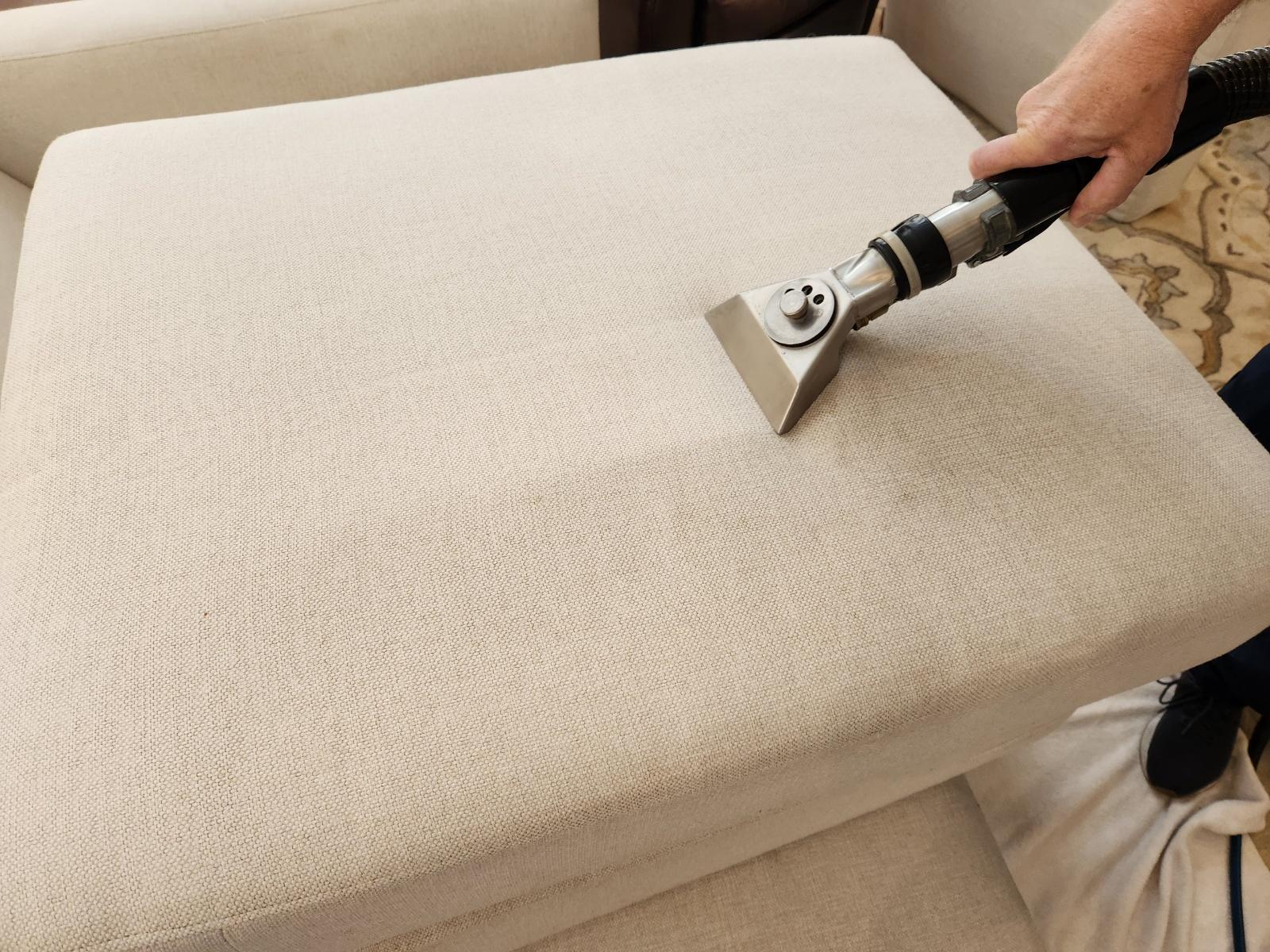
How Often Should Upholstery Be Professionally Cleaned?
There is no single schedule that fits every household. Cleaning frequency depends on use, fabric, household activity, pets, children, smoking, allergies, spills, and the furniture’s condition.
A frequently used family sofa may need attention sooner than an occasional-use accent chair. A sectional used throughout the day can accumulate more soil than a guest-room chair.
Rather than relying only on a calendar, homeowners can look for practical signs. Visible darkening, persistent odors, noticeable spots, increased dust, or a generally dull appearance can indicate that professional cleaning is worth considering.
Regular service can help maintain furniture’s appearance and reduce accumulated soil. It is also easier to keep up with furniture care when cleaning is planned before buildup becomes extensive.
Preparing Furniture Before the Appointment
A little preparation can make the cleaning appointment easier. Remove blankets, books, toys, remote controls, decorative objects, and other loose items from the furniture.
If cushions are removable, ask whether they should be left in place or separated before service. A professional cleaner can handle the furniture according to its construction and cleaning needs.
Point out known stains, spills, pet accidents, or areas of concern. Providing information about what caused a stain can be useful when deciding how to approach it.
Homeowners should also share any known manufacturer cleaning instructions or fabric-care information. This is particularly helpful for specialty materials or furniture with specific maintenance requirements.
What Happens During Professional Cleaning?
The exact process varies by furniture type and fabric. In general, professional service begins with inspection and preparation. Loose soil may be removed, and appropriate cleaning solutions or methods can be selected for the material.
Areas with heavier buildup or visible spots may receive additional treatment. The cleaner then performs the main cleaning process while paying attention to seams, cushions, edges, and accessible surfaces.
Professional equipment can provide a more thorough cleaning than many household methods. However, the goal is not simply to use the strongest possible process. Upholstery needs to be treated according to its material and condition.
After cleaning, the furniture may require drying time. Drying conditions can vary based on fabric, room ventilation, humidity, and the amount of moisture used. Homeowners should follow any instructions provided after service.
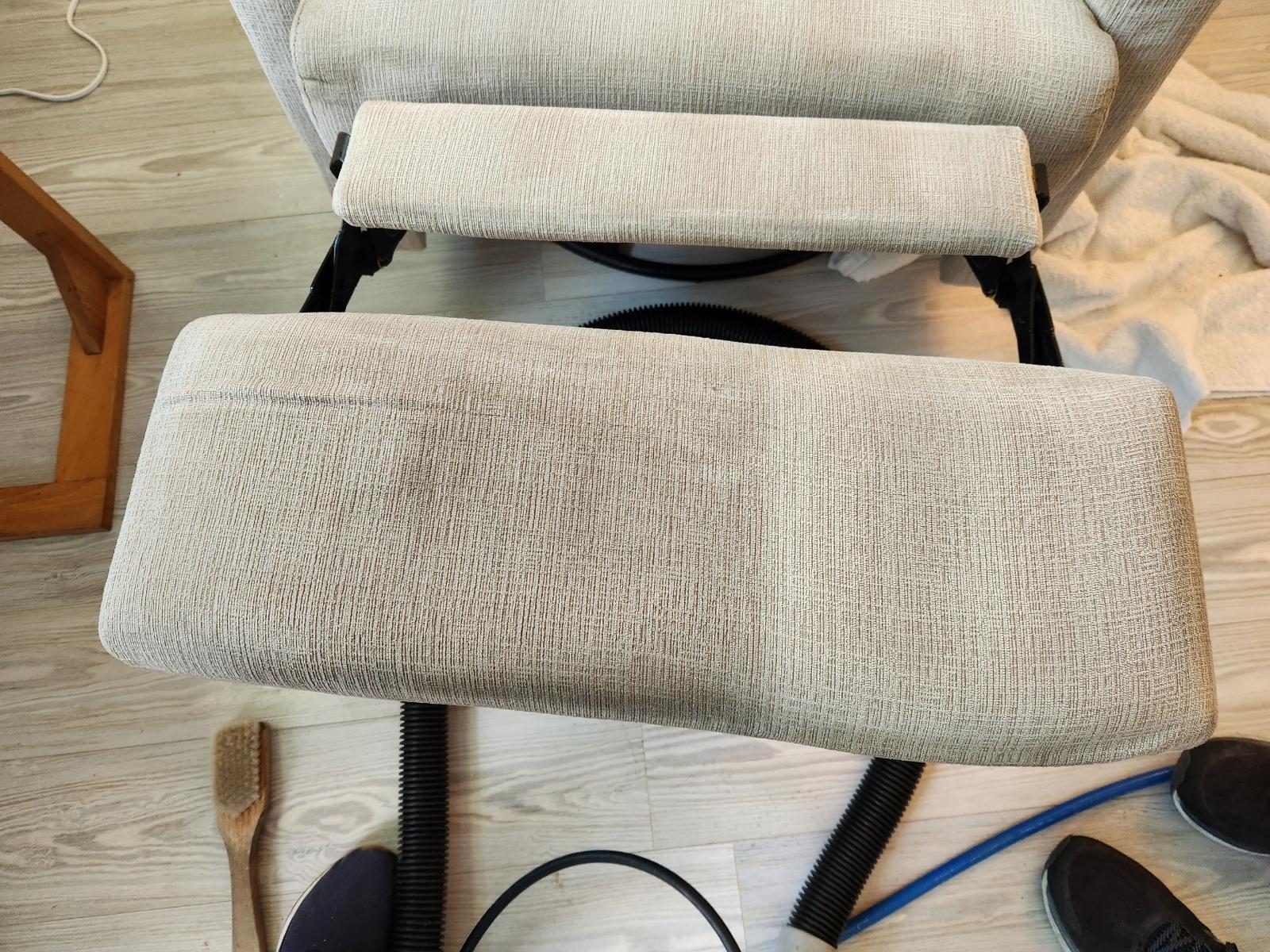
Why Professional Equipment Can Help
Household vacuums are useful for removing loose debris, but they are not designed to perform the same type of deep upholstery cleaning as professional equipment.
Professional equipment and cleaning solutions can help address soil that remains after ordinary maintenance. A trained cleaner can also recognize when a fabric requires a gentler approach and when a particular stain may need specialized treatment.
The benefit is not just stronger equipment. It is the combination of equipment, product selection, inspection, and experience with different furniture materials.
Using an unsuitable household product or excessive moisture can create additional problems. Professional service helps reduce that risk by applying a process suited to the furniture being cleaned.
Caring for Upholstery After Cleaning
Once furniture has been professionally cleaned, simple habits can help maintain the result. Allow the upholstery to dry fully according to the cleaner’s instructions before heavy use.
Continue vacuuming as recommended for the fabric. Deal with new spills promptly and avoid rubbing them aggressively. Keep sharp objects, rough surfaces, and other potential causes of fabric damage away from frequently used furniture.
If a protective treatment is available and appropriate for the material, homeowners can ask whether it would suit their furniture. Protection does not make upholstery stain-proof, but it may provide an additional maintenance benefit depending on the product and fabric.
Pay attention to changes in appearance or odor. Addressing small concerns early is generally easier than waiting until a large amount of buildup has accumulated.
Common Mistakes Homeowners Should Avoid
One common mistake is assuming that visible dirt is the only reason to clean upholstery. Fabric can collect soil even when it does not look heavily soiled.
Another mistake is waiting until a spill becomes an old stain before seeking professional help. Prompt attention may improve the chances of achieving a better result.
Overwetting is another concern. Excess moisture can create drying problems and may affect certain materials. Homeowners should avoid repeatedly applying water or cleaning products without knowing whether the fabric can safely tolerate them.
Aggressive brushing and scrubbing can also damage fibers or spread a stain. More pressure does not automatically produce better cleaning.
Finally, homeowners should not assume that every piece of furniture can be cleaned using the same process. Material, construction, color, and condition all matter.
When to Schedule Professional Upholstery Cleaning
Several signs can indicate that it is time to arrange service. Furniture may look darker in frequently used areas, cushions may show visible spots, or fabric may feel less fresh than it once did.
Persistent household odors can also be a reason to consider cleaning. If regular vacuuming no longer seems sufficient, deeper cleaning may help remove accumulated residue.
After a busy period, such as hosting guests, homeowners may also want to refresh frequently used furniture. Professional cleaning can be useful before special occasions or as part of broader home maintenance.
The right timing depends on the household. Instead of waiting for furniture to become severely soiled, routine professional cleaning can help keep buildup under control. Homes with pets or children may need more frequent service because furniture often experiences heavier daily use. Scheduling cleaning when visible soil first appears can make routine maintenance easier and help keep upholstery looking consistently fresh.
Choosing a Professional Upholstery Cleaning Service
When comparing providers, homeowners should ask what types of upholstery they clean and how they determine the appropriate cleaning method. It is reasonable to ask whether the company evaluates fabric condition before beginning.
Clear communication about stains, odors, furniture construction, and expected results is also important. A professional should be willing to explain what the service can and cannot accomplish.
Homeowners may also ask about optional treatments, drying expectations, and care recommendations after cleaning. Understanding the service beforehand helps prevent confusion about what is included.
A good cleaning appointment should focus on the condition of the furniture rather than applying one identical process to every piece. The objective is to clean effectively while respecting the material and construction.
Special Considerations for Different Furniture Styles
Furniture design can affect how cleaning is performed. Deep button tufting, loose cushions, decorative piping, exposed wood, and reclining mechanisms can create areas that need careful handling. Several cushion shapes may require extra time because each piece has seams and contact points.
Microfiber and performance fabrics may respond differently from natural-fiber materials. Older furniture may also have weakened seams, worn areas, faded sections, or previous repairs. Cleaning can improve the condition of the surface, but it cannot restore fibers that are already physically damaged.
Homeowners should mention any loose stitching, tears, fading, or repairs before service begins. This gives the cleaner a better understanding of the furniture’s condition and helps set realistic expectations. It also allows especially vulnerable areas to receive appropriate care.
Benefits Beyond Appearance
Clean upholstery can contribute to a more pleasant living space. Removing loose soil and residue can make frequently used furniture feel fresher, while reducing visible buildup can improve the overall appearance of a room.
Professional cleaning can also support longer-term furniture maintenance. Soil left on fabric can contribute to wear as the furniture is repeatedly used. Keeping upholstery cleaner may help reduce the amount of abrasive material sitting against fibers.
The goal is not to make furniture look brand new when normal wear is already present. Instead, professional service helps maintain the condition that the furniture can reasonably support. Results are strongest when cleaning is combined with sensible daily care and realistic expectations.
Final Thoughts and Professional Help
Sofas, sectionals, chairs, ottomans, and other upholstered furniture collect dirt through everyday use. Professional upholstery cleaning can help remove accumulated soil, treat many common stains, reduce odor sources, and refresh furniture that has lost some of its clean appearance. Routine vacuuming and prompt spill care remain useful between professional appointments, but they do not replace deeper cleaning.
If your furniture needs professional attention, sofa cleaning and furniture cleaning can be valuable services to consider when caring for frequently used upholstered pieces. For homes where carpets also need attention, carpet cleaning in St. Petersburg can make it easier to address multiple soft surfaces as part of home maintenance.
For dependable professional care, reach out to Steambrite Cleaning Services to discuss your upholstery, sofa, sectional, and furniture cleaning needs and schedule service that fits your home. Contact us today.
