


A clean office creates a better first impression, supports a comfortable working environment, and helps businesses maintain a professional image. But keeping a workplace presentable takes more than emptying bins and wiping desks. Daily foot traffic brings dirt into reception areas, carpet fibres collect dust, and spills can leave marks on floors and furniture. Restrooms, break rooms, and meeting rooms also need consistent attention.
An effective cleaning routine combines everyday upkeep with periodic deep cleaning. While employees or in-house cleaning teams can manage many routine tasks, carpets, tile and grout, hard floors, and upholstered furniture may require specialized care to remove accumulated soil.
This handbook covers the areas businesses should prioritize, common cleaning mistakes, and ways to develop a manageable maintenance schedule. For businesses considering commercial office cleaning in Clearwater, FL, understanding these requirements helps establish a cleaner, more welcoming workplace.
Part 1: Building a Strong Office Cleaning Routine
1. What Does a Proper Office Cleaning Routine Include?
A reliable office cleaning plan divides tasks into daily, weekly, and periodic responsibilities. Without a clear schedule, some areas receive regular attention while others are neglected until dirt becomes noticeable.
Daily tasks include emptying bins, addressing spills, wiping suitable surfaces, and checking shared spaces. Door handles, conference tables, and frequently touched controls also need regular cleaning. The CDC’s guidance on cleaning and disinfecting facilities explains why high-touch surfaces and visibly dirty areas need appropriate attention.
Weekly tasks may include more thorough floor care, dusting furniture, and cleaning corners or areas beneath desks. Periodic deep cleaning addresses embedded carpet soil, accumulated grime in grout lines, and dirt that ordinary maintenance may leave behind.
Create a checklist that identifies each task, its frequency, and the person responsible. This makes it easier to spot missed areas and decide when professional commercial cleaning services may be useful for specialized floor and upholstery care.
2. Start at the Entrance: First Impressions and High-Traffic Areas
Entrances receive constant foot traffic from employees, visitors, and delivery personnel. Dust, grit, and moisture can quickly spread from the doorway into reception areas and corridors. Use entrance mats to capture some of this debris, and vacuum them regularly.
Reception floors and walkways should be checked for muddy footprints, spills, and visible dirt. Corridors connecting workstations, meeting rooms, and shared facilities also need frequent attention.
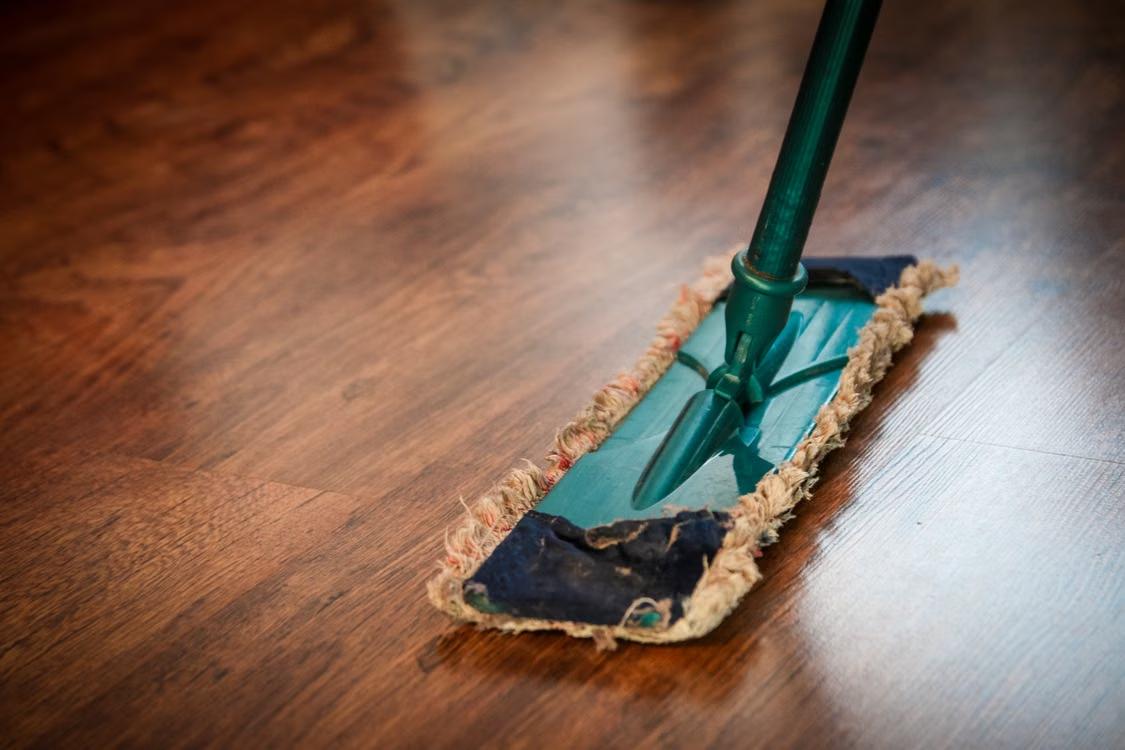
The right cleaning method depends on the flooring material. Carpeted entrances need regular vacuuming, while tile and other hard surfaces require suitable cleaning solutions and equipment. Businesses arranging office floor cleaning in Clearwater, FL, should account for the flooring type, traffic levels, and areas that become dirty fastest.
Do not overlook thresholds, skirting boards, and corners. These spots can accumulate dirt even when the main walking paths appear clean. Regular inspections help maintain a consistent standard throughout the workplace.
3. Workstations, Meeting Rooms, and Shared Spaces
Desks and meeting rooms can look tidy while still collecting dust, fingerprints, and food crumbs. Cleaning routines should cover suitable desk surfaces, shared tables, chair arms, and frequently handled items.
Electronic equipment requires extra care. Avoid spraying cleaning products directly onto monitors, keyboards, or other devices. Follow manufacturer instructions and use appropriate products to avoid damage.
Meeting rooms often need attention between bookings, especially when several teams or visitors share the space. Tables should be wiped, rubbish removed, and floors checked for debris.
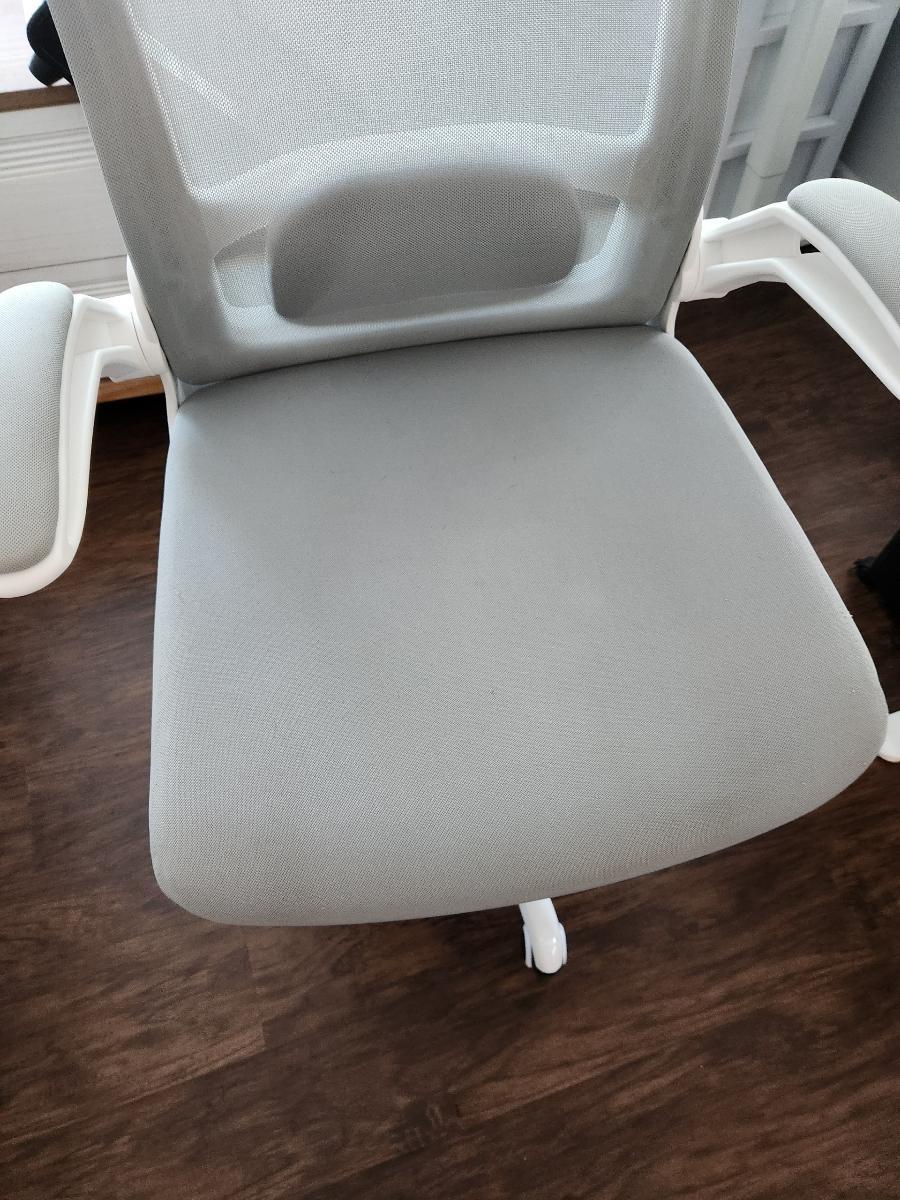
Upholstered office chairs also deserve attention. Fabric can accumulate dust, body oils, and spills over time. Routine vacuuming helps maintain suitable upholstery, but embedded soil or stubborn marks may need professional cleaning. Leather and delicate fabrics require different methods, so avoid treating every material identically.
A consistent approach to commercial office cleaning includes these details alongside visible floor and surface maintenance. Clear responsibilities and a simple process for reporting spills can help keep shared areas presentable throughout the week.
4. Restrooms and Break Rooms Need Consistent Attention
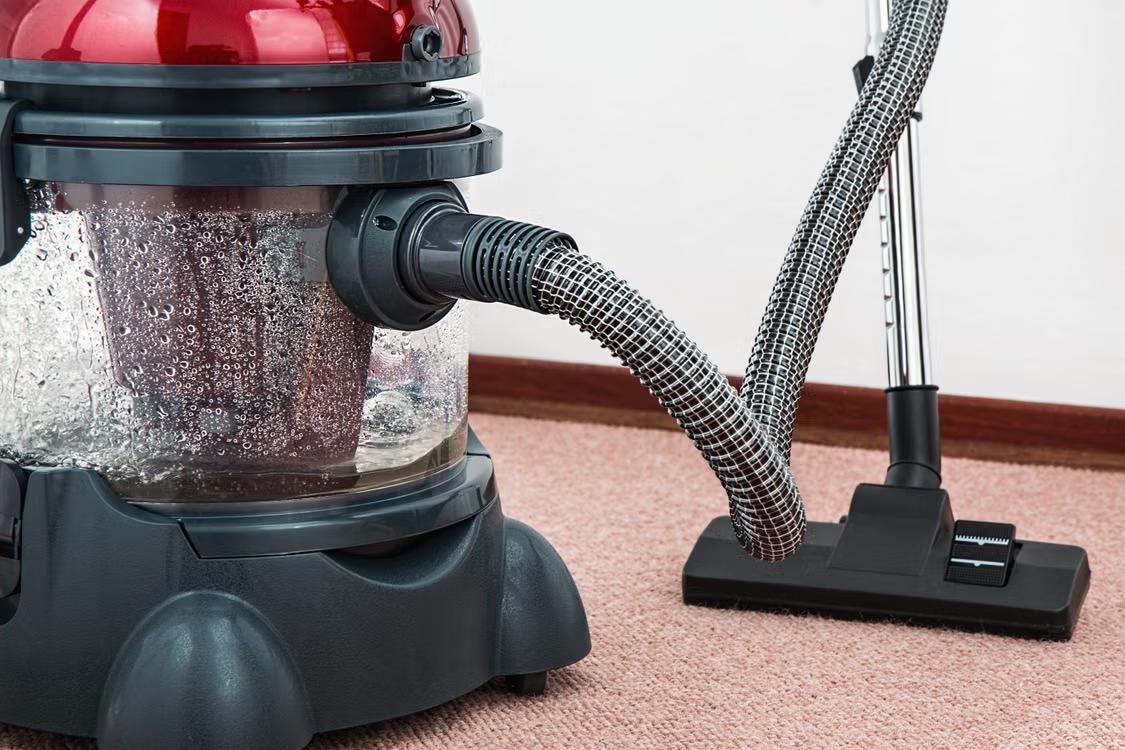
Restrooms and break rooms combine frequent use with moisture, food residue, and multiple touchpoints. They should have dedicated cleaning schedules rather than being treated as occasional tasks.
Restroom routines should cover toilets, sinks, taps, counters, mirrors, floors, and frequently handled fixtures. Soap and paper supplies should also be checked. The Occupational Safety and Health Administration’s restroom guidance outlines employers’ responsibilities for providing and maintaining sanitary restroom facilities. Break rooms need regular cleaning around counters, tables, sinks, and appliances.
Food crumbs, grease, and drink spills can accumulate quickly. Employees should clean up after themselves, but shared responsibility should not replace a scheduled cleaning routine.
Floors in both spaces need particular attention because moisture and residue can create slippery conditions. Use suitable products and methods for the surface, and manage wet areas appropriately.
5. Common Office Cleaning Mistakes to Avoid
Even a regular cleaning schedule can fall short if the methods are unsuitable or inconsistent. Using one product on every surface: Different materials have different care requirements. Check product labels and manufacturer guidance before cleaning.
Relying on quick surface cleaning alone: Daily tidying does not replace periodic deep cleaning of carpets, grout, and upholstery.
Leaving spills too long: Prompt attention can help prevent stains from setting. Avoid aggressive scrubbing that may damage fibres.
Ignoring hidden areas: Corners, spaces beneath furniture, and floor edges can collect dirt that routine cleaning misses.
Using too much cleaning solution: Excess product may leave residue or extend drying times. Follow label directions.
Treating all floors alike: Carpet, tile, wood, and vinyl need material-appropriate care.
For offices with heavily used carpeted areas, commercial carpet cleaning in Clearwater can help address soil that routine vacuuming may not remove. Similarly, commercial floor cleaning in Clearwater, FL, can support deeper maintenance of suitable hard-floor surfaces.
A well-maintained office depends on more than appearance. Consistent routines, appropriate cleaning methods, and timely professional care can help businesses manage their floors and furnishings more effectively.
Part 2: Caring for Office Floors, Carpets, and Furniture
6. Office Carpet Care: More Than a Quick Vacuum
Office carpets face constant wear from employees, clients, rolling chairs, and everyday foot traffic. Dirt can become embedded in carpet fibres, especially around entrances, corridors, reception desks, and meeting rooms. While regular vacuuming removes loose debris, it may not be enough to address accumulated soil and stubborn spots.
A good maintenance plan starts with frequent vacuuming in high-traffic areas. Spills should be addressed promptly using a method suitable for the carpet, avoiding excessive moisture or aggressive scrubbing. Moving lightweight furniture occasionally can also help identify areas that need additional attention.
Periodic deep cleaning is important, too. The Carpet and Rug Institute’s commercial carpet cleaning and maintenance guidance provides recommendations for maintaining carpet appearance and choosing suitable cleaning practices.
Businesses should also consider the carpet manufacturer’s care instructions when selecting a cleaning method.
Professional office carpet cleaning services in Clearwater, FL, can help address embedded dirt and refresh carpets that no longer respond well to routine maintenance. A professional assessment can help determine the appropriate cleaning approach based on the carpet material, soil level, and condition.
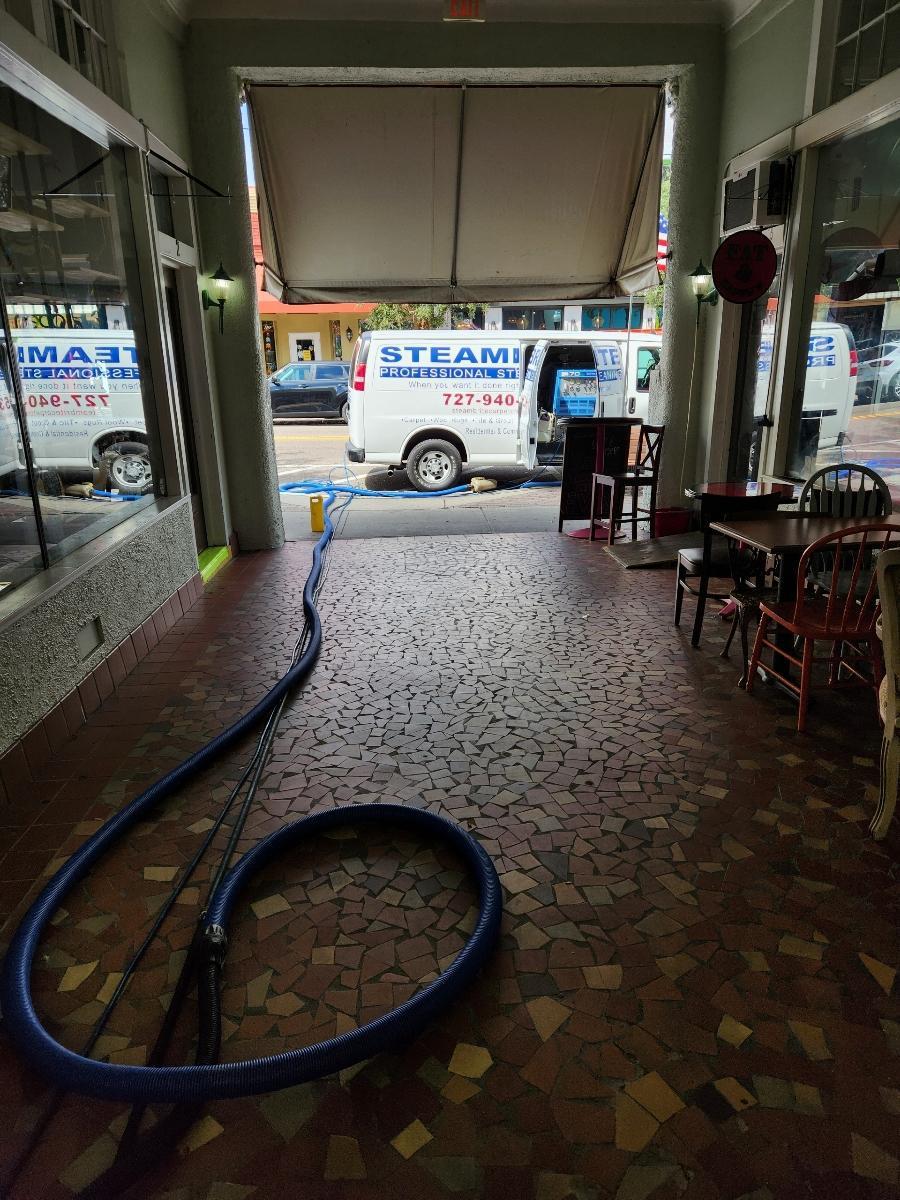
Timing matters in a busy workplace. Schedule deeper cleaning when fewer employees are present, and allow sufficient time for carpets to dry before normal foot traffic resumes. Steambrite Cleaning Services offers commercial carpet steam cleaning for businesses that need more thorough carpet care than daily vacuuming can provide.
7. Tile and Grout: Why Mopping May Not Be Enough
Tile floors are common in office kitchens, restrooms, entrances, and other shared spaces because they are practical and relatively easy to maintain. However, grout lines can collect dirt and residue that ordinary mopping may leave behind. Over time, this buildup can make an otherwise clean floor look dull or uneven.
Routine sweeping and mopping help remove loose debris and surface soil. For more persistent buildup, the cleaning method should account for the tile type, grout condition, and level of soiling. Using unsuitable products or abrasive tools may damage certain surfaces, so testing and following manufacturer guidance is important.
Professional office tile and grout cleaning in Clearwater, FL can be useful when grout lines remain discoloured despite regular maintenance. A specialized cleaning process can target the buildup more effectively than routine mopping alone.
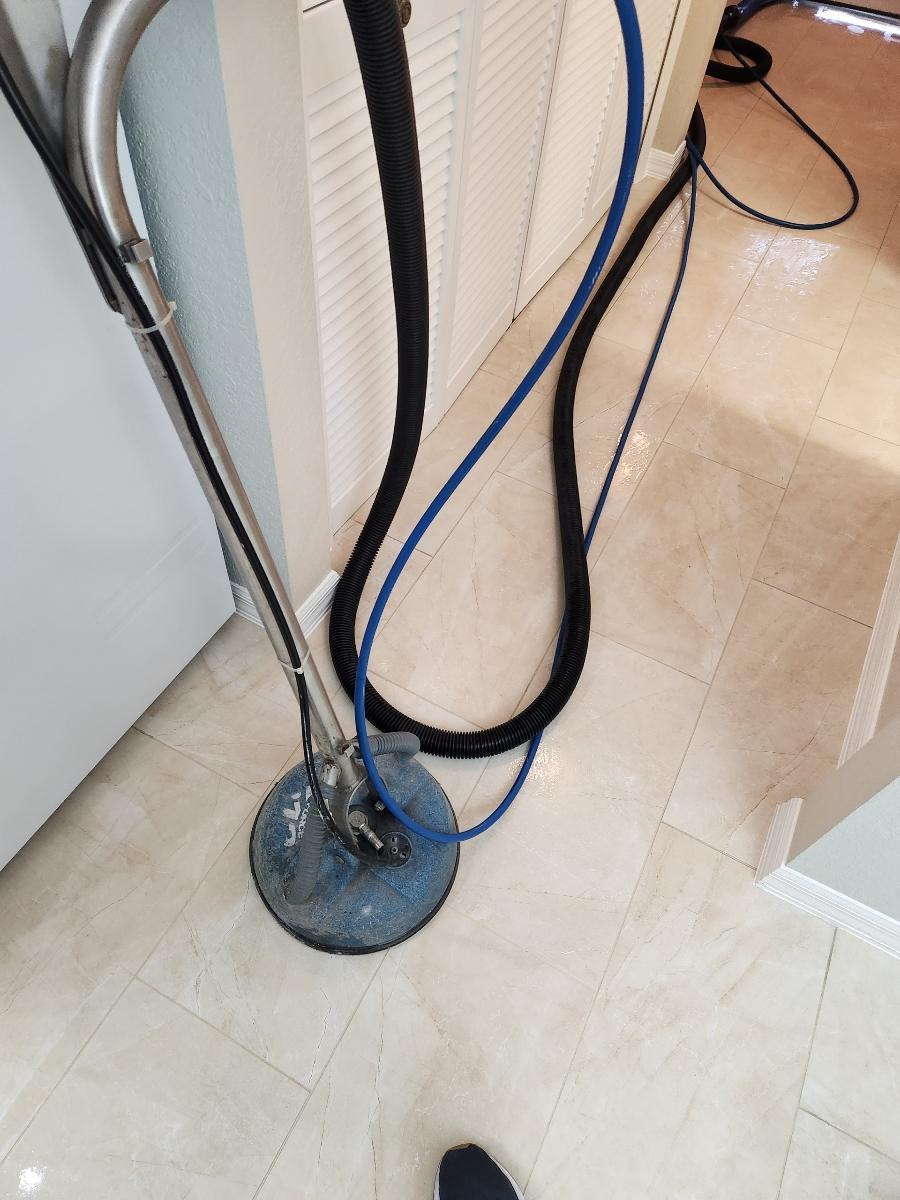
For heavier soil, Steambrite Cleaning Services uses tile-specific cleaning solutions and brushes designed to reach grout lines. Its restorative process can provide a more thorough clean where routine care has not been sufficient. The right approach depends on the surface and its condition, so not every floor will require the same treatment.
Businesses planning commercial tile and grout cleaning in Clearwater, FL, should also consider how quickly the area becomes dirty. Kitchenettes, restrooms, and busy entrances may need more frequent maintenance than lightly used office areas.
8. Wood and Vinyl Floors Need Material-Specific Care
Hard flooring can give an office a clean, professional appearance, but different materials need different cleaning methods. Wood, engineered wood, laminate, and vinyl should not automatically be treated with the same solutions or equipment.
Wood and engineered wood: Excess moisture and unsuitable products can damage certain wood finishes. Cleaning should follow the flooring manufacturer’s recommendations. Professional equipment designed for the specific floor type can help remove dirt while controlling moisture. Steambrite Cleaning Services uses a process suited to the wood flooring type, including scrubbing and vacuum recovery to remove soil from between floorboards or slats.
Laminate: Laminate flooring can be sensitive to excess water, particularly around seams. Use a method approved for the flooring and avoid leaving standing moisture on the surface.
Vinyl and luxury vinyl flooring: These surfaces can collect footprints, residue, and grime in busy areas. A suitable vinyl-specific cleaning solution followed by appropriate mechanical cleaning can help remove buildup. Heavily soiled floors may require additional scrubbing, depending on their condition and the manufacturer’s guidance.
A professional commercial floor cleaning service can assess the surface and select an appropriate process rather than applying one method to every floor. This is especially useful for offices with several flooring types across reception areas, corridors, meeting rooms, and staff facilities.
9. Don’t Forget Upholstered Chairs and Fabric Surfaces
Office furniture is easy to overlook because it may not show dirt as clearly as a floor.
Yet reception seating, conference chairs, and fabric-covered partitions can accumulate dust, body oils, and accidental spills through regular use.
Vacuuming suitable upholstery helps remove loose debris, while prompt attention to spills can reduce the chance of lasting marks. Before using any cleaning solution, check the manufacturer’s care label. Certain fabrics require specialized treatment, and excess moisture can cause problems such as staining or prolonged drying.
Professional upholstery cleaning can help refresh suitable fabric surfaces when routine maintenance is no longer enough. Steambrite Cleaning Services steam-cleans many fabrics and uses dry-cleaning methods for delicate or natural materials when appropriate. Leather furniture requires a different approach, including suitable cleaning and conditioning to help maintain its softness and flexibility.
Including chairs and other upholstered surfaces in a periodic maintenance plan helps keep reception areas and meeting rooms looking presentable. It also prevents the cleaning schedule from focusing exclusively on floors while frequently used furniture is neglected.
10. Choose the Right Cleaning Products and Methods
Effective cleaning depends on matching the process to the surface. A solution suitable for tile may not be appropriate for wood, and a method that works on synthetic upholstery may not suit delicate natural fibres.
Check manufacturer instructions, follow product labels, and avoid mixing cleaning chemicals. Businesses can also consider products carrying the U.S. Environmental Protection Agency’s Safer Choice label, which helps consumers and organisations identify products made with ingredients that meet the programme’s criteria.
For specialized tasks, professional cleaning can reduce guesswork. Steambrite Cleaning Services provides commercial carpet steam cleaning, tile and grout cleaning, hard-floor cleaning, and upholstery care. Selecting the right service for each material helps businesses maintain a consistent cleaning standard without treating every surface alike.
Part 3: Building a Sustainable Office Cleaning Plan
11. How Often Should an Office Be Deep Cleaned?
The right deep-cleaning schedule depends on office size, employee numbers, visitor traffic, and the type of flooring and furniture. A small office with limited foot traffic will have different needs from a busy workplace with a reception area, shared meeting rooms, and frequently used corridors.
Daily cleaning should address rubbish, visible spills, shared surfaces, and general tidiness. Floors and carpets need routine maintenance throughout the week, with additional attention in heavily used areas. Tile and grout, upholstery, and other surfaces may need periodic professional cleaning when dirt builds up beyond what ordinary maintenance can remove.
There is no single schedule that suits every business. Managers should monitor the condition of surfaces and adjust cleaning frequency when traffic increases, or certain areas become noticeably dirtier. For example, an entrance may need more frequent attention than a private office used by one person.
Businesses arranging commercial office cleaning should consider both routine upkeep and deeper cleaning requirements. A planned schedule makes it easier to maintain the workplace without waiting for visible dirt or stains to become a problem.
12. Create a Practical Office Cleaning Schedule
A written schedule helps ensure cleaning tasks are completed consistently. It should identify the areas to be cleaned, the required tasks, and who is responsible for them.
A simple framework might include:
Daily: Empty bins, clean visible spills, tidy shared spaces, and check restrooms and break rooms.
Weekly: Thoroughly clean high-traffic floors, vacuum carpets, dust accessible surfaces, and inspect corners and furniture.
Periodically: Arrange deeper cleaning for carpets, tile and grout, hard floors, and upholstered furniture based on their condition and use.
The schedule should also account for business operations. Cleaning meeting rooms between bookings may be necessary, while deep cleaning is often easier to arrange outside normal working hours. Businesses should communicate any access requirements and drying times to employees before professional work begins.
For larger workplaces, managers can maintain a log of completed tasks and recurring problems. This makes it easier to identify areas that need more attention and plan professional services before dirt becomes difficult to remove.
13. Seasonal Refreshes and End-of-Year Office Cleaning
Changes in weather and business activity can affect office cleaning needs. Rainy periods may bring more moisture and debris into entrances, while busy seasons can increase traffic through reception areas and shared facilities.
An end-of-year refresh is a useful opportunity to assess the condition of the workplace. Look at carpets that have become dull, grout lines that remain dirty after mopping, and upholstered chairs that have accumulated marks. Check hard floors for residue and review whether the existing cleaning schedule still suits the office’s needs.
Businesses preparing for holiday closures can also plan deeper cleaning around quieter days. This gives floors and carpets time to dry before employees return and helps minimize disruption.
A seasonal inspection does not mean every surface needs a professional treatment.
Focus on areas where routine maintenance is no longer producing satisfactory results. Office carpet cleaning for instance, may be appropriate for carpets with embedded soil, while office tile and grout cleaning in Clearwater, FL, can address buildup in tiled areas.
14. When Should You Call a Professional Office Cleaning Service?
Routine cleaning can manage everyday dirt, but some problems require specialized equipment or techniques. Persistent carpet stains, heavily soiled grout, dull hard floors, and marks on upholstered furniture may not respond to ordinary cleaning products.
Consider professional cleaning when:
Carpeted walkways remain visibly dirty despite regular vacuuming.
Grout lines have accumulated stubborn soil.
Hard floors retain residue or appear dull after routine cleaning.
Office chairs and reception furniture need more thorough care.
High-traffic areas require a deeper clean with minimal disruption to business operations.
A professional assessment can help determine the most suitable approach for each material. This is particularly valuable in offices with a mix of carpet, tile, wood, vinyl, and upholstered furniture.
When comparing commercial floor cleaning services in Clearwater, FL, check that the provider offers methods appropriate for your flooring and explains any preparation or drying requirements. Ask for a clear estimate and confirm which areas and services are included.
Remember that specialist floor and upholstery cleaning is different from a full janitorial contract. Businesses should establish which routine tasks are handled internally and which require an outside service provider.
15. Choosing the Right Cleaning Partner for Your Workplace
The right cleaning partner should understand that office surfaces have different maintenance requirements. Before booking, ask about the provider’s experience with commercial spaces, the cleaning methods available, and how services can be scheduled around working hours.
It is also worth confirming whether the company handles the specific materials in your office. Carpet, grout, wood, vinyl, and upholstery each require appropriate care.
A provider should be able to explain its approach rather than promising the same result with one method across every surface.
Businesses should also request a clear estimate and discuss any concerns about stains, heavily soiled areas, or drying times in advance. This helps set realistic expectations and makes it easier to plan the work.
For offices that need specialized floor care, commercial carpet cleaning and hard-floor cleaning can form part of a broader maintenance plan. Combining routine in-house cleaning with periodic professional services helps businesses focus on everyday operations while giving their floors and furnishings the attention they need.
Keep Your Workplace Looking Its Best with Steambrite Cleaning Services
Maintaining a clean office takes consistent daily care and the right approach to floors and furnishings. Steambrite Cleaning Services provides commercial cleaning solutions for carpets, tile and grout, wood and vinyl floors, and upholstered furniture.
Its services help businesses address accumulated soil in high-traffic areas and maintain the appearance of frequently used surfaces.
Whether your reception carpet needs a deeper clean, your tiled floors have stubborn grout buildup, or your office furniture needs professional attention, we can help you identify a suitable cleaning approach. Contact us today for a free estimate and to discuss the needs of your workplace in Clearwater and the surrounding service areas.
