


A retail store’s appearance can influence how customers feel about shopping there. From the moment someone walks through the entrance, details such as clean floors, organized aisles, and well-maintained fitting rooms contribute to their overall impression. With employees restocking shelves, shoppers moving between displays, and deliveries arriving throughout the day, maintaining that standard requires more than a quick tidy-up before opening.
Research supports the connection between store conditions and consumer behaviour. A study published in the International Journal of Marketing Studies, involving 300 consumers visiting retail chain outlets, found that store-atmosphere factors, including cleanliness, scent, lighting, and layout, positively influenced purchase intention.
For retailers, this makes cleaning part of the overall shopping experience, not simply a maintenance task. Entrances, sales floors, checkout areas, and customer facilities all need consistent attention. Different flooring materials also require appropriate cleaning methods, particularly when heavy foot traffic leads to persistent dirt and stains.
This guide explores how retailers can build effective cleaning routines, maintain carpets and hard floors, and prepare their stores for seasonal rushes. For businesses considering commercial retail cleaning in Clearwater, FL, the right combination of daily upkeep and professional floor care can help keep customer-facing spaces presentable.
1. Why Cleanliness Matters in Retail
Customers may not consciously evaluate every surface in a store, but visible dirt, overflowing bins, stained carpets, and neglected corners can affect how they perceive the environment. Cleanliness also matters beyond appearance. Spills and debris need prompt attention to help reduce slip hazards, while frequently touched surfaces require regular cleaning.
The challenge is maintaining consistency during trading hours. A store can be spotless at opening and look noticeably different after several hours of shopping traffic. Staff need clear procedures for responding to spills, checking busy areas, and keeping merchandise displays and walkways presentable.
An effective cleaning plan should reflect the store’s size, layout, opening hours, and customer volume. A small boutique may need a different schedule from a large department store with multiple entrances and extensive sales floors. Both, however, benefit from assigned responsibilities and regular inspections.
Businesses planning commercial retail cleaning in Clearwater, FL, should distinguish between everyday housekeeping and deeper maintenance. Staff can manage many routine tasks, but carpets, tile and grout, and other flooring surfaces may need specialized cleaning when ordinary methods no longer deliver satisfactory results.
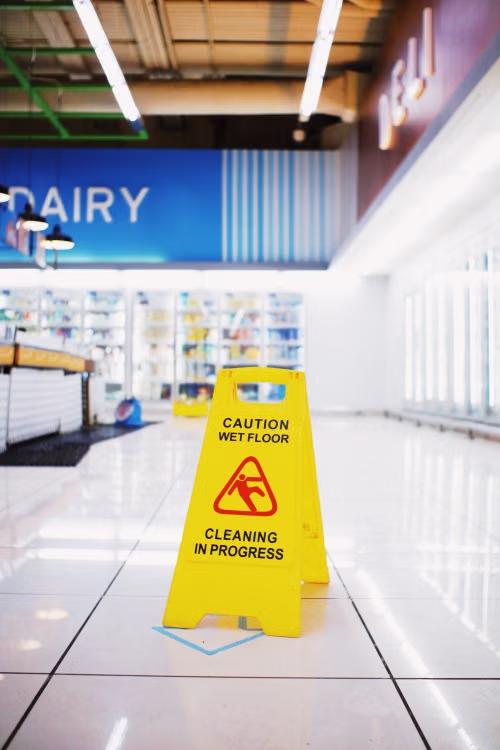
2. Store Entrances and High-Traffic W alkways
Entrances are among the first areas customers encounter and some of the quickest to accumulate dirt. Shoes bring in dust, grit, moisture, and outdoor debris, which can spread across the sales floor if left unmanaged. Shopping carts and delivery traffic can add to the wear.
Start with suitable entrance mats that capture some of the dirt brought in from outside. Vacuum them regularly and check their condition throughout the day. Glass doors, door handles, and reception or service counters also need attention because customers interact with them frequently.
Inside the store, pay particular attention to walkways between displays, checkout queues, and routes leading to fitting rooms. These spaces experience repeated foot traffic, so sweeping, vacuuming, or mopping may need to happen more often than in less-used areas.
The CDC recommends regularly cleaning high-touch surfaces, including door handles, counters, shopping carts, and touchpads, while cleaning other surfaces when visibly dirty. Its facility cleaning guidance also explains that cleaning and disinfecting are different processes, with disinfection needed in specific circumstances.
Flooring material should guide the cleaning method. Carpeted entrances need regular vacuuming, while tile and other hard floors require suitable products and techniques. Professional commercial floor cleaning in Clearwater, FL, can help retailers address accumulated soil on appropriate hard-floor surfaces when routine maintenance is no longer enough.
3. Sales Floors, Aisles, and Merchandise Areas
Sales floors have to remain clean without interrupting the shopping experience.
Employees need to replenish stock, customers move merchandise while browsing, and displays can create awkward spaces where dust and debris accumulate.
A useful routine includes checking aisle floors, cleaning visible spills promptly, removing rubbish, and paying attention to areas beneath shelving and display fixtures. Where possible, schedule more disruptive tasks before opening or after closing. During trading hours, use appropriate signs and keep cleaning equipment out of customer routes.
Different departments may have different needs. Clothing stores can accumulate lint and loose tags, while shops selling household goods may experience packaging debris. Grocery and food-related retail environments can have additional hygiene requirements and should follow the applicable food-safety procedures.
Cleaning should also account for flooring type. Carpeted sales areas need consistent vacuuming, while vinyl, tile, and other hard surfaces require methods appropriate to their finish. Retail store floor cleaning in Clearwater, FL, is a relevant consideration for stores that need to maintain busy aisles and customer-facing floors throughout the year.
Retailers should not focus only on the centre of the sales floor. Dust along baseboards, dirt beneath display stands, and marks near checkout counters can make a store look poorly maintained even when its main walkways are clean. A rotating checklist helps ensure these less-visible areas receive attention.
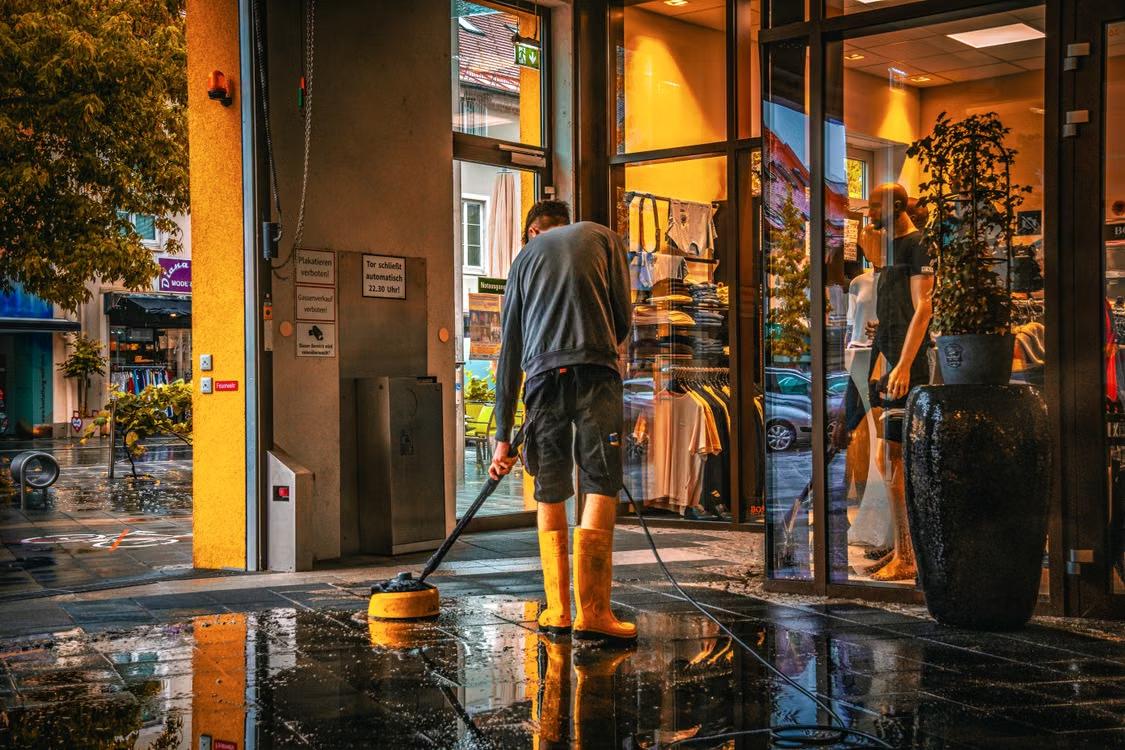
4. Fitting Rooms, Checkout Counters, and Customer Facilities
Some of the most frequently used spaces in a retail store are also the easiest to overlook. Fitting rooms, checkout counters, customer service desks, and restrooms need regular checks because many shoppers use them throughout the day.
In fitting rooms, remove discarded tags and packaging, check benches and mirrors, and clear visible debris from the floor. Clothing stores may need additional checks during busy periods when several customers use the same rooms in quick succession.
Checkout areas deserve similar attention. Countertops, payment terminals, conveyor surfaces where applicable, and other frequently handled items should be cleaned using products approved for those materials and in accordance with equipment instructions. Avoid spraying solutions directly onto electronic devices.
Customer restrooms require a dedicated schedule covering toilets, sinks, taps, counters, floors, and replenishment of supplies. Staff should respond promptly to spills and report plumbing or maintenance issues rather than allowing them to become recurring problems.
These tasks should be assigned clearly, with checks recorded when appropriate. A schedule based on actual use is more effective than assuming every area needs attention at the same frequency. The CDC’s guidance can help inform general surface-cleaning procedures, although retailers must also follow any specific hygiene or safety requirements applicable to their business.
5. Creating a Daily and Weekly Retail Cleaning Checklist
A written checklist helps retail teams maintain standards across different shifts. It also makes responsibilities clearer when employees are busy serving customers and handling stock.
Daily tasks may include checking entrances, removing rubbish, addressing spills, tidying fitting rooms, cleaning suitable high-touch surfaces, and inspecting customer facilities. High-traffic floors may need attention several times during the day, depending on store conditions.
Weekly tasks can include more thorough cleaning beneath displays, along floor edges, around fixtures, and in less frequently used corners. Carpeted areas should be vacuumed according to foot traffic, with spots addressed promptly using suitable products.
Periodic maintenance should cover surfaces that need more than routine cleaning. The Carpet and Rug Institute recommends regular vacuuming, quick attention to spots and spills, and professional deep cleaning as part of a commercial carpet maintenance programme. Its commercial carpet cleaning and maintenance guidance offers further recommendations.
For stores with persistent carpet soil, commercial carpet cleaning in Clearwater, FL, may be appropriate as part of a planned maintenance schedule. Retailers with tiled areas can also assess whether professional grout cleaning is needed when routine mopping leaves visible buildup.
The checklist should be reviewed regularly. Holiday promotions, seasonal weather, extended opening hours, and changes in customer traffic can all affect cleaning needs. By adjusting the schedule to reflect actual conditions, retailers can maintain a more consistent shopping environment without relying on last-minute cleaning alone.
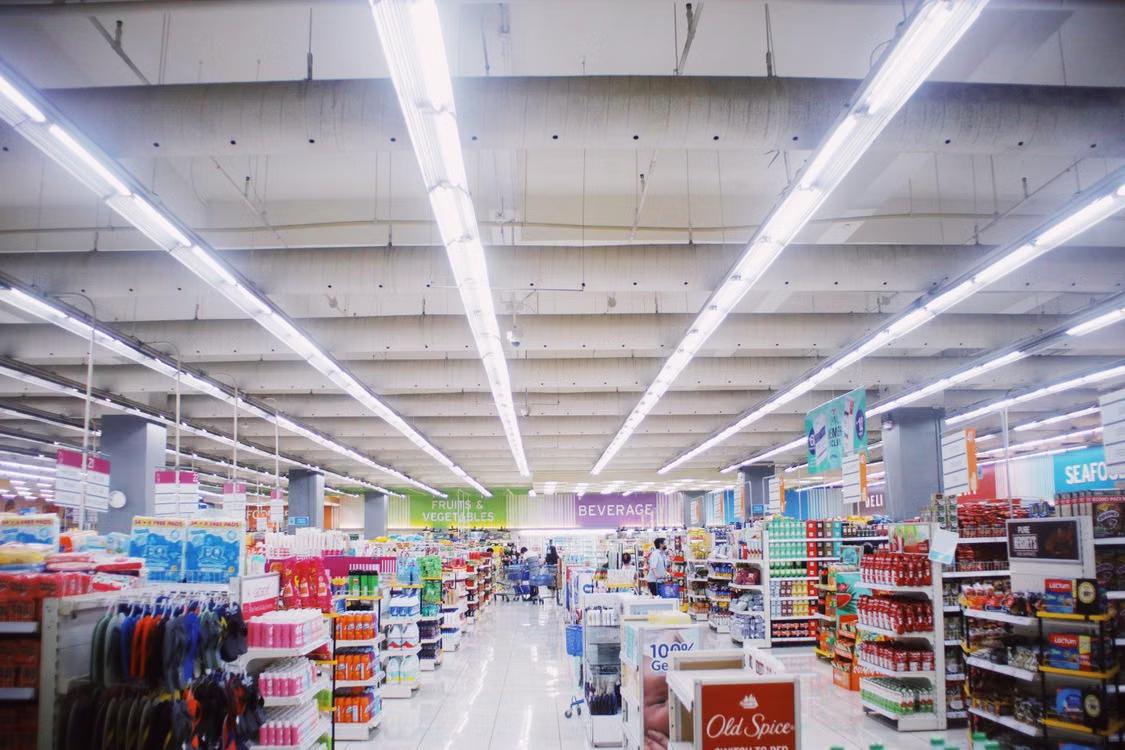
6. Retail Carpet Cleaning: Beyond Daily V acuuming
Carpeted areas can make a retail store feel more comfortable, but they also collect dust, grit, lint, and spills brought in by shoppers. Entrances, fitting rooms, and carpeted departments often experience the heaviest wear, making regular maintenance essential.
Frequent vacuuming helps remove loose debris before it becomes embedded in the fibres. Spills should be addressed promptly with a cleaning method suitable for the carpet, avoiding aggressive scrubbing that could damage the fibres or spread the stain. Retailers should also follow the carpet manufacturer’s care instructions when choosing products.
However, vacuuming alone cannot address every type of buildup. When carpets look dull, retain persistent stains, or remain visibly dirty despite routine care, professional commercial carpet cleaning in Clearwater, FL, can help remove accumulated soil.
The Carpet and Rug Institute’s commercial carpet maintenance guidance recommends a planned approach that combines regular vacuuming, spot treatment, and periodic deep cleaning. Retailers should schedule deeper treatments around quieter trading periods and allow sufficient drying time before reopening affected areas.
7. Tile and Grout Cleaning in Retail Spaces
Tile is common in retail entrances, checkout areas, and other busy spaces because it is practical and relatively easy to maintain. Grout lines, however, can trap dirt and residue that ordinary mopping does not fully remove. Over time, the buildup may make an otherwise clean floor look uneven or discoloured.
Routine sweeping and mopping help manage surface dirt, but persistent grime may require a more thorough approach. The right process depends on the tile material, grout condition, and type of soil. Unsuitable chemicals or abrasive tools can damage some surfaces, so cleaning methods should be selected carefully.
Commercial tile and grout cleaning in Clearwater, FL, can help address buildup that remains after routine maintenance. Steambrite Cleaning Services uses tile-specific cleaning solutions and brushes designed to reach grout lines, with a restorative cleaning process available for heavily soiled surfaces.
Retailers should pay particular attention to tiled entrances and walkways, where outdoor debris and repeated foot traffic can contribute to soil accumulation. A planned maintenance schedule helps prevent these areas from being neglected until the buildup becomes difficult to manage.
8. Caring for Vinyl, Wood, and Other Hard Floors
Retail flooring varies considerably. Vinyl, laminate, engineered wood, and other hard surfaces have different cleaning requirements, so applying the same product and method throughout a store may cause problems.
Vinyl flooring can develop footprints, surface residue, and visible grime in busy aisles. A suitable vinyl-specific solution and appropriate cleaning equipment can help remove buildup. Heavily soiled floors may need additional scrubbing, depending on the material and its condition.
Wood and engineered wood require greater care with moisture and cleaning products. Follow the manufacturer’s instructions and avoid methods that could damage the finish or leave standing water.
Laminate flooring can be sensitive to excess moisture, particularly around seams.
Use a method approved for the flooring and avoid leaving the surface wet for extended periods.
For stores with several flooring types, professional commercial floor cleaning in Clearwater, FL, can help identify suitable cleaning methods for each surface.
Steambrite Cleaning Services offers cleaning for wood and vinyl flooring, using equipment and solutions suited to the material.
The aim is to remove soil without compromising the flooring’s finish. A consistent maintenance plan can help retailers keep customer-facing areas presentable while reducing the risk of damage caused by unsuitable cleaning practices.
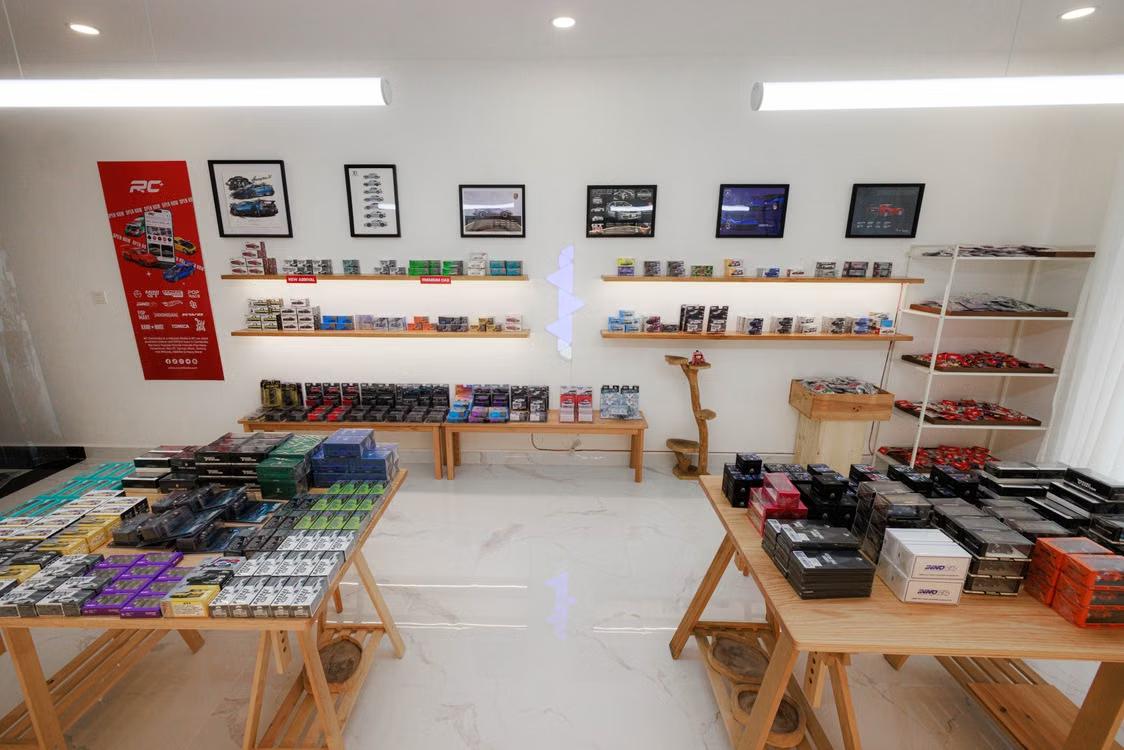
9. When Retail Floors Need Professional Deep Cleaning
Even with a consistent routine, some dirt becomes difficult to remove through everyday maintenance. Carpets may retain stains, grout lines can remain discoloured, and hard floors may develop residue that regular mopping does not resolve.
Signs that a deeper clean may be needed include:
Carpeted walkways that remain dull or dirty after vacuuming.
Persistent spots that resist appropriate routine treatment.
Grout lines with visible soil buildup.
Hard floors that retain residue despite regular cleaning.
Dirt that returns quickly in heavily used areas.
Professional cleaning can complement daily housekeeping by addressing accumulated soil with methods suited to the surface. For example, retail carpet cleaning in Clearwater, FL, may be appropriate for carpeted departments with persistent buildup, while tile and grout cleaning can help refresh suitable tiled surfaces.
Retailers should plan these services around trading hours and ask about preparation, drying times, and which areas will be treated. For product selection, the EPA’s Safer Choice programme is also a useful resource for identifying cleaning products assessed against its ingredient criteria.
Ultimately, effective floor maintenance combines regular care with targeted deep cleaning. By monitoring floor conditions and choosing methods appropriate to each material, retailers can keep their stores more presentable through everyday shopping traffic and busier seasonal periods.
10. Preparing Your Store for Holiday Shopping Traffic
The holiday shopping season brings more customers, longer queues, and increased pressure on customer-facing areas. More foot traffic means more dirt entering through doorways, more fingerprints on shared surfaces, and a greater chance of spills across sales floors and checkout areas.
Retailers should prepare before the rush begins rather than waiting until floors look visibly dirty. Inspect entrance mats, address carpet stains, check grout lines, and arrange deeper floor cleaning where needed. High-traffic areas may also require more frequent inspections throughout the day.
A practical holiday cleaning plan should account for store hours and customer movement. Schedule disruptive tasks before opening or after closing where possible, and ensure employees know how to respond to spills promptly. Keep cleaning equipment out of customer routes and manage wet floors appropriately.
Planning commercial retail cleaning in Clearwater, FL, ahead of peak shopping periods helps retailers identify maintenance needs before the busiest weeks.
Professional carpet and hard-floor cleaning can complement daily housekeeping and help stores maintain a presentable environment when customer traffic increases.
11. Seasonal Deep Cleaning: What Retailers Should Prioritize
Seasonal changes can create different cleaning challenges. Rainy weather may bring moisture and debris indoors, while promotional events and holiday displays can increase traffic around specific parts of the store. After a busy season, carpets and hard floors may need more attention than usual.
A seasonal inspection should cover entrances, sales aisles, fitting rooms, checkout areas, and other heavily used spaces. Look for persistent carpet stains, dirty grout, residue on hard floors, and buildup around fixtures. These checks help managers decide which areas need deeper cleaning and which can be maintained through routine care.
Retailers should also consider less visible areas, including floor edges, spaces beneath display units, and corners around shelving. Dirt can accumulate in these locations even when the main walkways look clean.
Scheduling retail store floor cleaning in Clearwater, FL, before or after major shopping periods can help businesses manage the effects of increased foot traffic.
The appropriate service will depend on the floor material and its condition, so inspect the surface before deciding on a cleaning method.
12. Common Retail Cleaning Mistakes to Avoid
A store can have a cleaning schedule and still struggle to maintain its appearance if tasks are rushed or unsuitable methods are used. Avoiding common mistakes can help protect flooring and reduce recurring maintenance problems.
Using the same cleaning product everywhere: Carpet, tile, wood, and vinyl have different care requirements. Follow manufacturer instructions and product labels rather than assuming one solution is suitable for every surface.
Delaying spill treatment: Spills can spread or leave lasting marks if ignored.
Address them promptly using an appropriate method, and manage wet floors to reduce slip risks.
Ignoring hidden areas: Dirt often gathers beneath displays, along skirting boards, and around checkout fixtures. Include these spaces in a rotating checklist.
Relying entirely on daily cleaning: Vacuuming and mopping are essential, but they may not remove embedded carpet soil or stubborn grout buildup. Periodic deep cleaning helps address areas that routine methods cannot fully maintain.
Cleaning during busy periods without planning: Equipment, cords, and wet floors can obstruct shoppers. Schedule deeper work around store operations and keep customer routes clear.
A well-designed commercial cleaning plan should balance regular housekeeping with material-specific maintenance. Clear responsibilities, suitable supplies, and periodic inspections make it easier to identify problems before they become more difficult to address.
13. When to Hire a Professional Retail Cleaning Service
In-house teams can manage many everyday tasks, but some cleaning needs call for specialized equipment and experience. Persistent carpet stains, heavily soiled grout, and residue on hard floors may require a deeper treatment than routine housekeeping provides.
Retailers should consider professional cleaning when floors remain visibly dirty despite regular maintenance, when stains keep returning, or when the condition of customer-facing areas begins to affect the store’s overall presentation.
Before booking, confirm that the provider offers services suitable for your flooring and furnishings. Ask about the proposed method, preparation requirements, drying times, and scheduling options. An estimate should clearly explain which areas and services are included.
For retailers considering commercial carpet cleaning in Clearwater, FL, professional care can complement routine vacuuming by addressing accumulated soil in busy departments and carpeted walkways. Similarly, professional tile and grout cleaning may help manage buildup in tiled entrances and sales areas.

14. Creating a Long-Term Retail Floor Maintenance Plan
Keeping a store clean over time requires more than reacting to visible dirt. A long-term plan helps retailers anticipate maintenance needs, allocate responsibilities, and schedule professional services before high-traffic surfaces become difficult to manage.
Start by identifying the flooring materials throughout the store and assessing how frequently each area is used. Entrances and checkout queues may need more frequent attention than storage areas or quieter departments. Record recurring issues, such as stains in particular aisles or grout that becomes dirty quickly, and adjust the schedule accordingly.
A useful plan combines daily inspections, regular vacuuming and mopping, prompt spill treatment, and periodic deep cleaning. Retailers should review the plan before seasonal promotions, holiday shopping periods, and other events likely to increase foot traffic.
It is also important to set realistic expectations. Professional cleaning can help address accumulated soil, but results depend on the surface, the type of staining, and its condition. Routine care remains essential between visits.
By combining consistent housekeeping with appropriate professional services, retailers can maintain cleaner floors, protect their investment in flooring, and provide a more welcoming environment for customers throughout the year.
Keep Your Retail Space Presentable with Steambrite Cleaning Services
A clean retail environment takes consistent attention, particularly in areas exposed to constant foot traffic. Steambrite Cleaning Services provides commercial carpet steam cleaning, tile and grout cleaning, wood and vinyl floor cleaning, and upholstery care for businesses in Clearwater and surrounding service areas.
Whether your store needs deeper carpet cleaning, help addressing stubborn grout buildup, or maintenance for hard floors, Steambrite can recommend an approach suited to the surfaces involved. Combining professional care with a practical daily cleaning routine can help keep customer-facing spaces looking their best during everyday operations and busy shopping seasons. Contact Steambrite Cleaning Services to request a free estimate for your retail cleaning needs.
