


Hotels welcome a constant flow of guests, employees, deliveries, and visitors, placing considerable demands on their cleaning routines. From the moment someone walks through the lobby to the corridors leading to guest rooms, every shared area needs regular attention. Dust, tracked-in dirt, spills, and heavy foot traffic can quickly affect the appearance of carpets and hard floors.
A reliable cleaning strategy goes beyond making a property look presentable before check-in. It combines daily upkeep, prompt spill treatment, and periodic deep cleaning to address the needs of different spaces and flooring materials. For hotel managers, understanding these priorities helps create a more consistent maintenance plan, protect flooring investments, and keep common areas ready for guests throughout the year.
1. Why Cleanliness Matters in the Hospitality Industry
Guests notice the condition of a hotel’s shared spaces, particularly the entrance, reception area, hallways, and lounges. Clean surroundings help create a welcoming first impression, while visible stains, dusty corners, or neglected floors can make a property appear poorly maintained.
Consistent cleaning also supports the day-to-day operation of a hotel. When staff follow a clear schedule, they can identify spills, wear, and maintenance concerns before these issues become more difficult to manage. A structured approach to commercial hotel cleaning in Clearwater, FL should account for both visible cleanliness and the practical requirements of keeping shared areas safe and usable.
Different spaces need different routines. A busy lobby may require several checks throughout the day, while a meeting room used occasionally may need more targeted attention before and after events. Cleaning frequency should reflect how each area is used, the type of flooring installed, and the volume of foot traffic it receives.
2. Lobby and Reception Cleaning Priorities
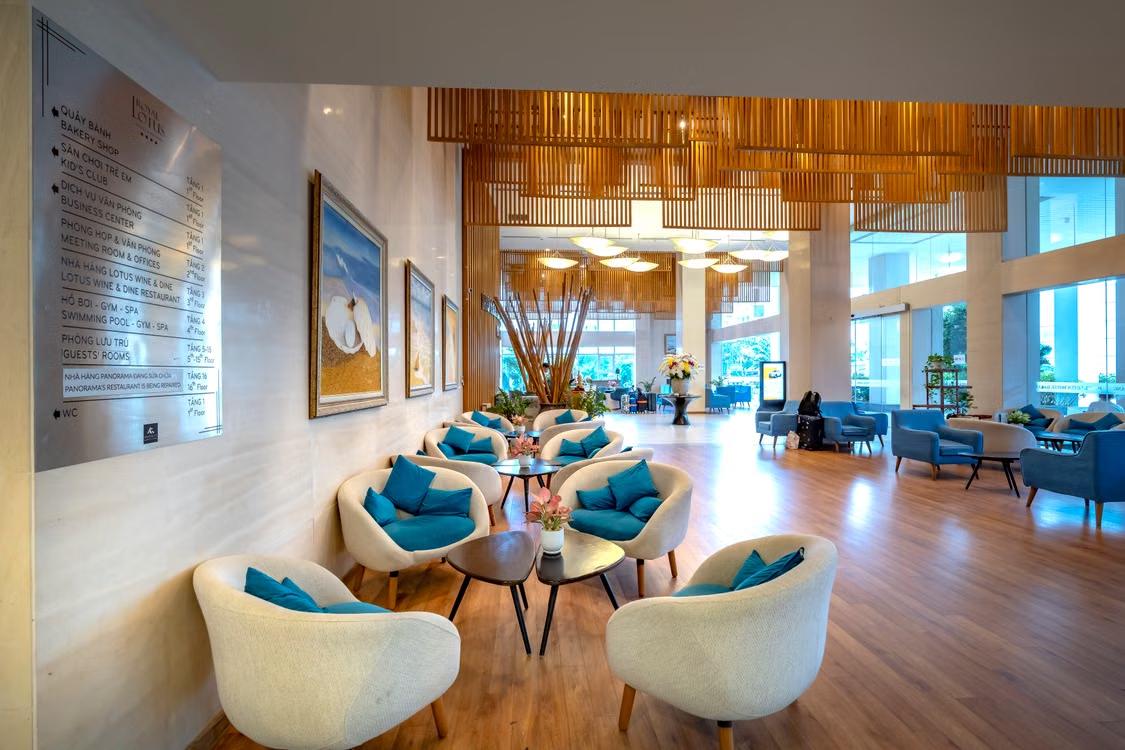
The lobby is often the first indoor space guests encounter, making it one of the most important areas to maintain. Visitors arrive with luggage, walk in from parking areas, and pass through reception throughout the day. During rainy weather, shoes can also bring in moisture and debris.
Start by checking entrance mats and the flooring immediately around doors. Mats help capture some of the dirt brought in from outside, but they need regular cleaning to remain effective. Hard floors should be swept and cleaned using products appropriate for their surface, while carpeted sections need routine vacuuming and prompt attention to spills.
For properties with carpeted reception areas, our hotel lobby carpet cleaning services in clearwater, FL, can be part of a planned maintenance schedule. Lobby carpets often experience concentrated foot traffic around reception desks, seating areas, and entrance routes. Regular vacuuming helps remove loose soil, while periodic professional cleaning can address deeper buildup.
Reception counters, door handles, elevator buttons, and other frequently touched surfaces should also be included in the cleaning checklist. The CDC’s facility cleaning guidance recommends cleaning high-touch surfaces regularly and adjusting routines according to traffic and visible soil. Hotels should also follow any applicable hospitality-specific requirements.
3. Hallways, Corridors, and Elevators
Hotel corridors connect guest rooms with elevators, stairways, and shared facilities.
Although these areas may receive less attention than the lobby, they experience steady movement throughout the day. Guests pull suitcases along carpets, housekeeping carts travel between rooms, and staff move supplies through service corridors.
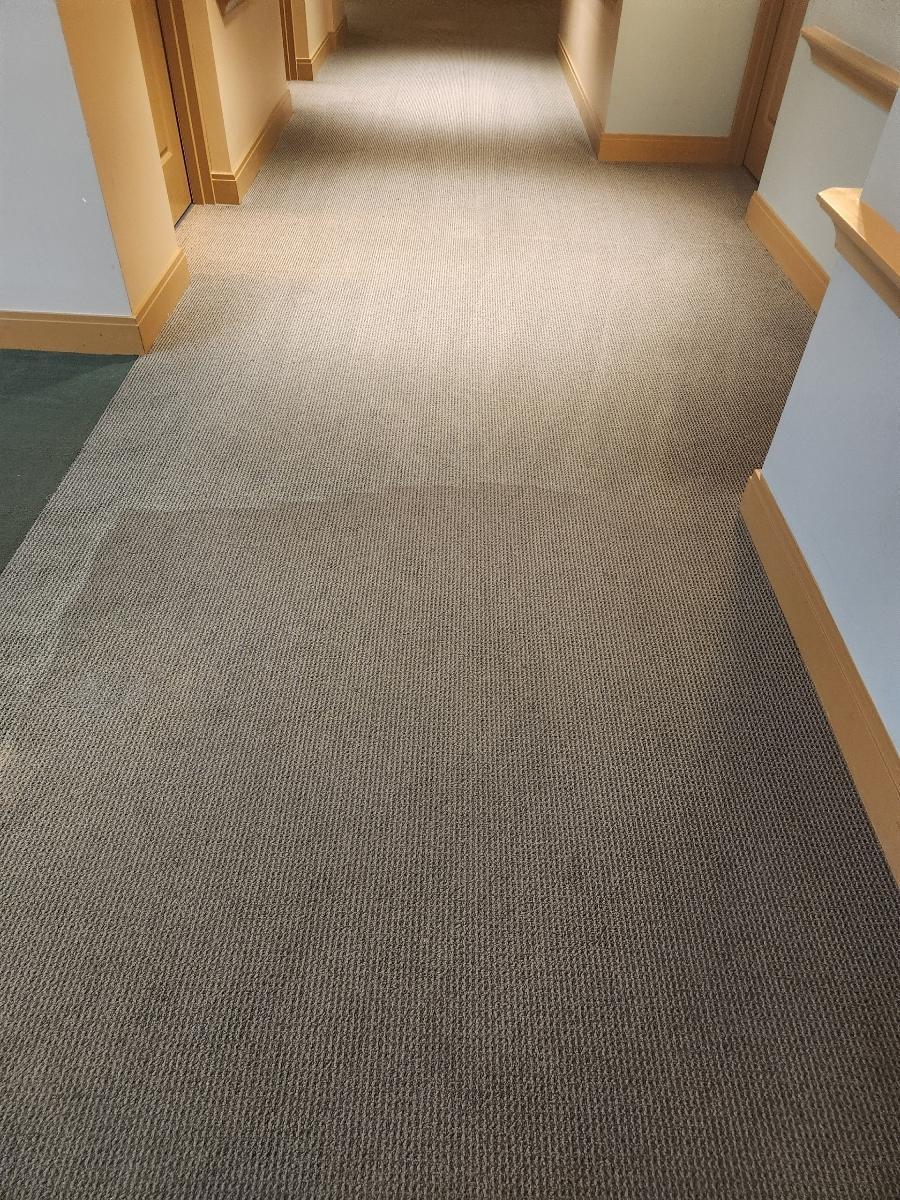
Carpeted hallways benefit from scheduled vacuuming, with more frequent attention given to areas near elevators, stairwells, and room entrances. Corners, edges, and spaces around furniture can collect dust that ordinary passes may miss. Spills should be addressed promptly using a method suitable for the carpet, and cleaned areas should be allowed to dry before normal traffic resumes.
The Carpet and Rug Institute’s commercial carpet cleaning and maintenance guidance emphasizes regular vacuuming, prompt spot treatment, and periodic professional deep cleaning as parts of an effective carpet care routine. Hotels can use these principles to develop schedules based on occupancy and actual wear.
Elevator floors require a different approach depending on whether they are carpeted, tiled, or finished with another hard surface. Cleaning teams should pay attention to thresholds, corners, and the areas around doors, where debris can accumulate. Scheduling work during quieter periods can also reduce disruption to guests.
4. Restaurants, Lounges, and Other Shared Spaces
Hotel restaurants, lounges, waiting areas, and conference rooms each present distinct cleaning challenges. Dining areas may experience food spills and drink stains, while lounge carpets collect dirt from guests moving between the lobby and seating areas. Meeting rooms may need extra attention after conferences, presentations, or private events.
Cleaning plans should reflect the purpose and use of each space. Dining floors may need prompt spot cleaning during service, followed by a more thorough routine after closing. Lounge furniture should be inspected for visible marks, and carpeted areas should be vacuumed according to traffic levels. Meeting rooms should be checked after events, so spills and debris do not remain until the next booking.
For businesses managing several types of shared flooring, our commercial floor cleaning services in Clearwater, FL, can include maintenance for suitable carpeted and hard-floor surfaces. Hotels should ensure the selected process matches the flooring material rather than using the same products and techniques everywhere.
Our consistent approach to commercial carpet cleaning in Clearwater, FL, can also help maintain carpets in lounges, meeting rooms, and other guest-facing spaces.
The goal is to combine routine housekeeping with periodic deeper cleaning, without interrupting normal hotel operations.
5. Creating a Consistent Daily Cleaning Checklist
A practical hotel cleaning checklist gives staff clear responsibilities and helps prevent important areas from being overlooked. It should include both scheduled tasks and quick inspections throughout the day.
A daily routine may include:
Morning checks: Inspect entrances, lobby floors, reception areas, corridors, and shared spaces for visible dirt or spills.
During the day: Recheck high-traffic areas, clean spills promptly, empty bins as needed, and attend to frequently touched surfaces.
Between events: Inspect meeting rooms, lounges, and dining spaces before they are used again.
Evening maintenance: Vacuum carpets, clean hard floors using appropriate methods, and prepare shared spaces for the next day.
Ongoing reporting: Record recurring stains, damaged flooring, or areas that need professional attention.
This checklist should distinguish everyday cleaning from periodic deep cleaning. For example, vacuuming removes loose dirt, but it may not address all the soil embedded in carpet fibres. Similarly, routine mopping may not remove buildup from grout lines.
Hotels that plan for both tasks can make better use of staff time and identify when additional cleaning support is needed. A well-organized approach to commercial hotel cleaning in Clearwater, FL, helps keep guest-facing areas presentable while supporting the long-term care of carpets and hard floors.
6. Hotel Carpet Cleaning: Managing Dirt, Stains, and Wear
Carpet adds comfort to hotel lobbies, corridors, lounges, and meeting rooms, but it also requires consistent maintenance. Guests and employees track in dirt throughout the day, while spills, luggage wheels, and housekeeping equipment contribute to gradual wear. Without an appropriate care routine, carpet can develop visible traffic lanes and stubborn stains that make an otherwise well-maintained space look neglected.
Routine vacuuming is the first line of defence. High-traffic areas, such as lobby entrances and elevator corridors, may need more frequent attention than quieter spaces. Staff should also address spills promptly using products suitable for the carpet and follow the manufacturer’s care instructions.
However, vacuuming alone cannot remove all embedded soil. Periodic professional steam cleaning can help address accumulated dirt and refresh carpeted areas.
Hotels planning hotel carpet cleaning in Clearwater, FL, should consider occupancy levels, carpet condition, and the time required for the carpet to dry before guests return.
A professional commercial carpet cleaning service in Clearwater, FL can also help property managers plan cleaning around quieter periods, scheduled maintenance, or seasonal changes in occupancy. The Carpet and Rug Institute’s commercial carpet maintenance guidance offers additional advice on vacuuming, spot treatment, and periodic deep cleaning.
7. Tile and Grout Cleaning in Hotel Facilities
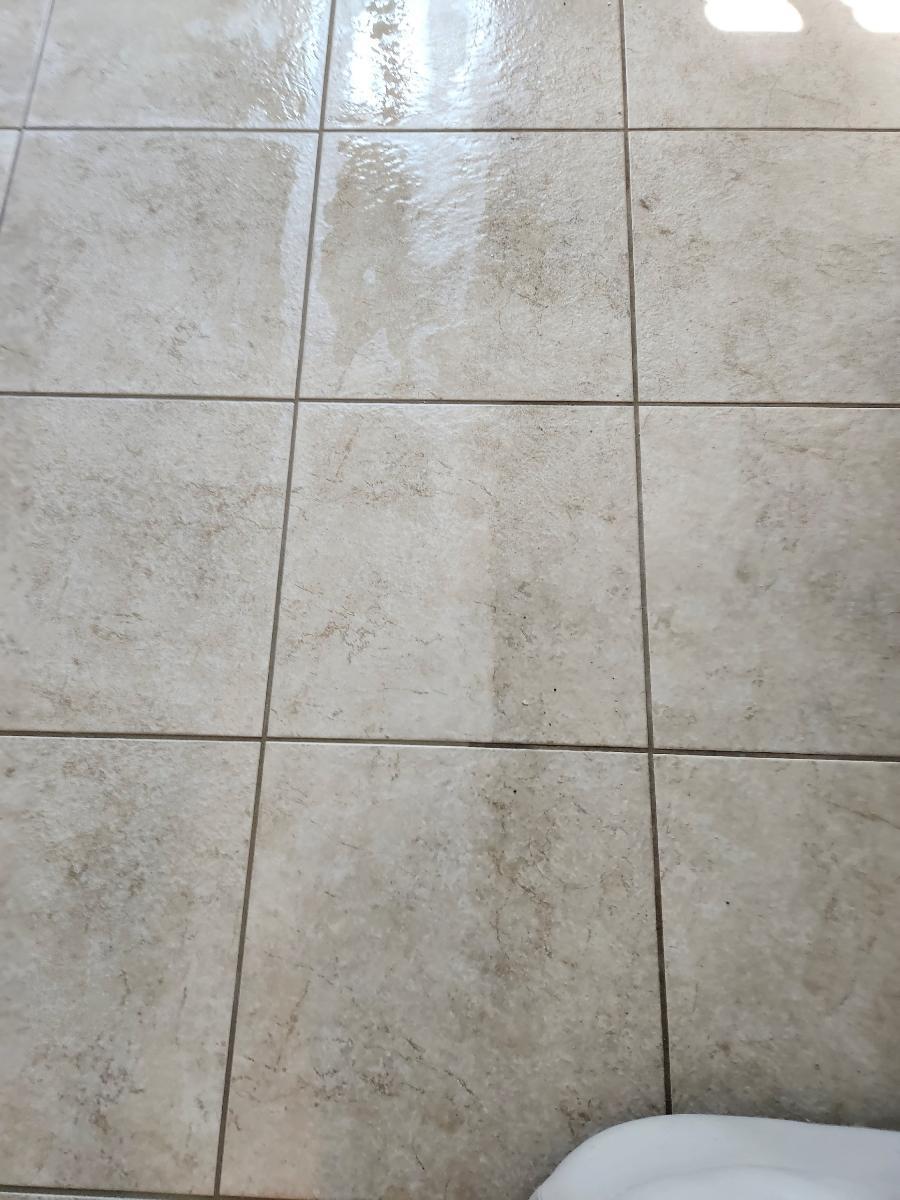
Tile flooring is common in hotel entrances, restrooms, dining areas, and other shared spaces because it can be practical for busy environments. Yet the grout between tiles can collect dirt and residue, particularly in areas exposed to moisture, food spills, and frequent foot traffic.
Regular sweeping and mopping help remove loose debris and surface soil, but grout lines may need more focused attention. Using unsuitable chemicals or abrasive tools can damage certain tiles or affect the grout, so the cleaning method should match the material and its condition.
Professional tile and grout cleaning can help address stubborn buildup in hotel lobbies, public restrooms, and other heavily used areas. Cleaning professionals can select appropriate solutions for the tile type and use brushes designed to reach grout lines. For areas with substantial soil accumulation, a more intensive cleaning process may be needed.
Hotels should also check for recurring problems such as residue around entrances, discoloured grout near dining spaces, or dirt accumulating in corners. Identifying these patterns can help managers adjust routine maintenance before the buildup becomes widespread.
8. Caring for Wood, Vinyl, and Other Hard Floors
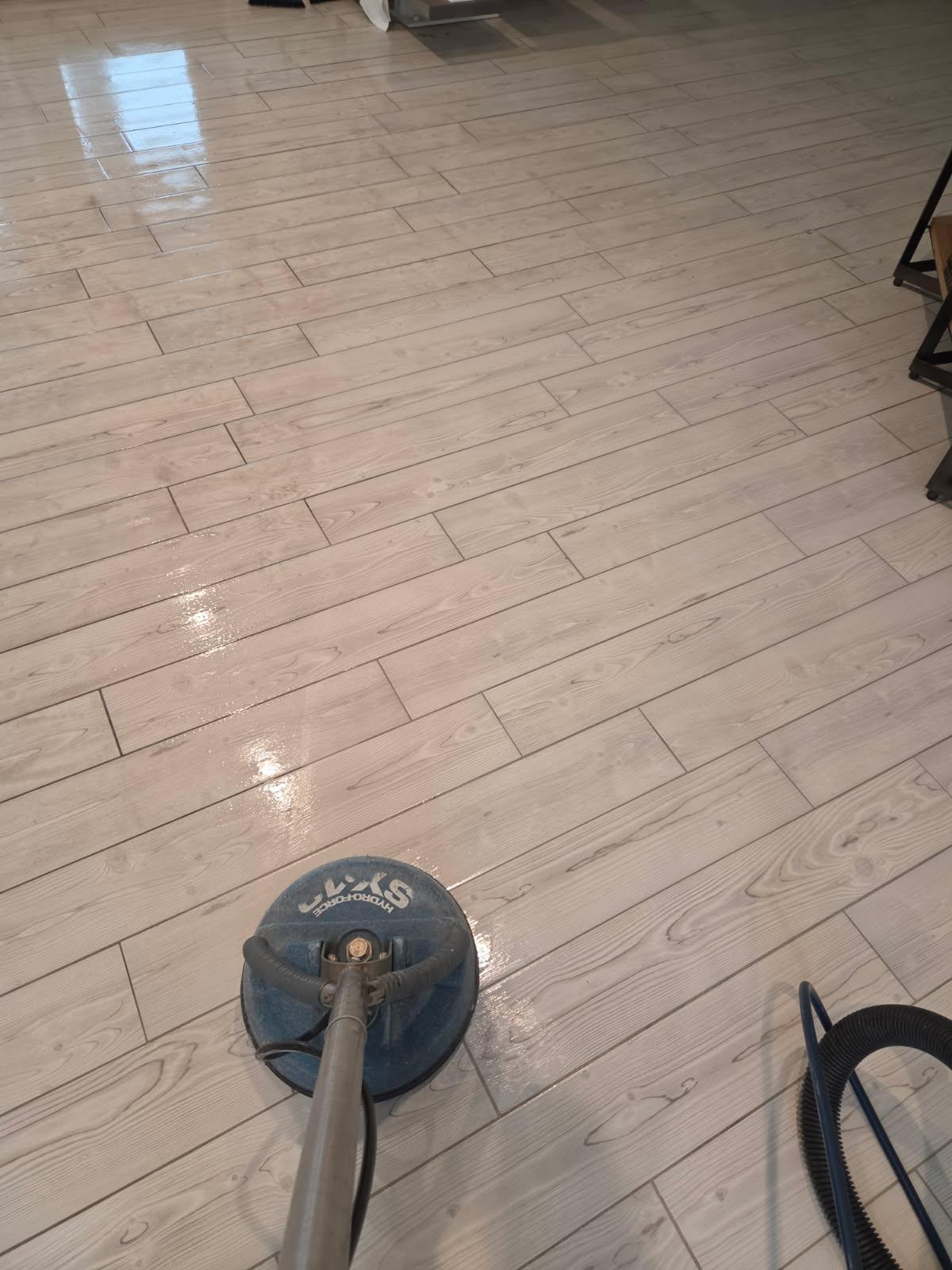
Hotels may use wood, engineered wood, laminate, or vinyl flooring in lounges, guest-facing areas, meeting rooms, and other shared spaces. Each material has its own cleaning requirements, making it important to select products and techniques suited to the surface.
Hard floors should be swept or vacuumed with appropriate equipment to remove grit before wet cleaning begins. Small particles can scratch some finishes when dragged across the surface. Cleaning solutions should be selected according to the flooring manufacturer’s guidance, and excess moisture should be avoided where it could damage the material.
Commercial floor cleaning in Clearwater, FL, can include care for suitable wood and vinyl floors, helping hotels maintain a consistent appearance across different areas of the property. Vinyl flooring, for example, may need a different cleaning solution and process than wood or laminate. Using a method designed for one surface on another can leave residue or create avoidable maintenance problems.
Hotel managers should inspect floors for recurring marks, dull-looking areas, and residue near entrances or furniture. Addressing the underlying cause, such as tracked-in dirt or unsuitable cleaning products, can make routine maintenance more effective.

9. Cleaning Natural Stone Floors in Hotels
Natural stone can create an elegant finish in hotel lobbies, reception areas, and upscale common spaces. Materials such as marble, granite, and travertine vary in porosity, hardness, and sensitivity to cleaning products, so they should not all be treated alike.
Daily care generally starts with removing loose dirt and grit that could scratch the surface. When wet cleaning is needed, products should be compatible with the particular stone and its finish. Acidic or overly abrasive cleaners may be unsuitable for certain materials, so hotel teams should follow manufacturer recommendations or consult a qualified professional.
Professional restaurant stone floor cleaning in Clearwater, FL, is a restaurant-specific keyword and is not the best fit for this hotel guide. Instead, hotel managers should look for commercial stone floor care suited to their property’s actual surfaces and maintenance requirements.
Routine inspections can help identify areas where soil repeatedly accumulates or where the existing cleaning routine is leaving residue. Cleaning should be distinguished from restoration: polishing, honing, or repairing stone requires separate services and should not be assumed to be part of ordinary floor cleaning.
10. Upholstery and Fabric Surfaces in Common Areas
Hotel seating is used throughout the day, from lobby sofas and lounge chairs to upholstered furniture in conference rooms. Dust, body oils, food spills, and everyday contact can gradually affect the appearance of fabric surfaces, even when the surrounding floor is clean.
Housekeeping teams should inspect upholstered furniture regularly and address fresh spills according to the fabric’s care instructions. Different materials may require different cleaning methods, so testing and material identification are important before treating a stain. Excessive moisture or unsuitable products can leave marks or damage delicate fabrics.
Professional upholstery cleaning can complement carpet and floor maintenance, particularly in high-use reception areas and lounges. Scheduling furniture care alongside other planned cleaning tasks can also help hotels coordinate maintenance more efficiently.
11. When Should Hotels Schedule Professional Deep Cleaning?
The right schedule depends on the hotel’s occupancy, flooring type, foot traffic, and visible condition. A busy lobby may need deeper cleaning more frequently than a meeting room used only occasionally. Seasonal peaks, large events, and extended periods of high occupancy can also increase the need for additional care.
Signs that routine maintenance may no longer be enough include persistent stains, visible traffic lanes, recurring dirt in grout lines, or residue that remains after ordinary cleaning. Managers should inspect these areas and arrange suitable professional cleaning before the next busy period where possible.
Planning ahead allows time for cleaning, drying, and any necessary follow-up. It also reduces the risk of disrupting guests or leaving key spaces unavailable during peak hours.
A well-planned commercial hotel cleaning strategy in Clearwater, FL, combines everyday housekeeping with targeted professional care. By matching cleaning frequency and methods to each surface, hotels can maintain guest-facing spaces while supporting the long-term condition of their flooring and furnishings.
12. Building a Weekly and Monthly Hotel Cleaning Schedule
A reliable hotel cleaning plan should combine daily upkeep with scheduled inspections and periodic deep cleaning. Daily tasks cover visible dirt, spills, and high-traffic areas, while weekly checks can focus on carpet edges, corners, grout lines, and spaces beneath accessible furniture.
Monthly inspections, or checks at another appropriate interval, can help managers identify recurring stains, worn flooring, and areas that need professional attention.
Cleaning frequency should reflect occupancy and actual conditions rather than following the same rigid schedule throughout the year.
A structured approach to commercial hotel cleaning helps housekeeping teams prioritize tasks, assign responsibilities, and plan maintenance without disrupting guests.
13. Preparing Hotel Floors for Peak Travel Seasons
Holiday periods, local events, and busy travel seasons can increase foot traffic throughout a hotel. Preparing in advance gives managers time to address stains, refresh carpets, and clean hard floors before occupancy rises.
Start by inspecting the lobby, corridors, elevators, dining areas, and other shared spaces. Identify floors that need deeper cleaning and schedule work early enough to allow adequate drying time. During peak periods, frequent spot checks and prompt spill cleanup can help keep these areas presentable.
Hotels can also review entrance mats and cleaning supplies before the busy season begins. A little preparation helps staff respond to everyday messes without allowing dirt to accumulate.
14. Common Hotel Cleaning Mistakes to Avoid
Even a regular cleaning routine can miss important details. Common mistakes include:
Using the same method on every floor: Carpet, tile, natural stone, wood, and vinyl require different cleaning approaches.
Delaying spill cleanup: Stains can become harder to treat, and wet floors can create slipping hazards.
Ignoring edges and corners: Dirt often accumulates where routine cleaning equipment cannot easily reach.
Rushing deep cleaning: Insufficient drying time can disrupt hotel operations and guest access.
Overlooking recurring problems: Persistent marks may indicate that the cleaning method or frequency needs adjustment.
Reviewing these habits can help housekeeping teams improve their routines and identify when specialist care is appropriate.
15. Choosing a Commercial Hotel Cleaning Partner
When selecting a professional cleaning provider, hotel managers should consider experience with commercial flooring, suitable cleaning methods, scheduling flexibility, and clear service estimates. A provider should understand that different surfaces require different approaches and that work must be coordinated around hotel operations.
It is also important to clarify the scope of service. Specialized floor and upholstery cleaning can complement in-house housekeeping, but it is not necessarily a replacement for full-service hotel cleaning or room turnover.
For hotels seeking commercial floor cleaning in Clearwater, FL, a provider offering carpet steam cleaning, tile and grout cleaning, and wood or vinyl floor care can help address several flooring needs through one service relationship.
16. Maintaining Guest-Ready Spaces Throughout the Year
Maintaining a hotel is an ongoing process, not a one-time seasonal task. Daily cleaning, routine inspections, and periodic deep cleaning each play a role in keeping shared spaces presentable. By adjusting the schedule to occupancy, flooring materials, and visible wear, managers can address problems early and prepare for busier periods with greater confidence.
Professional Cleaning Services for Hotels in Clearwater
At Steambrite Cleaning Services, we help businesses maintain cleaner, more presentable spaces with commercial carpet steam cleaning, tile and grout cleaning, wood and vinyl floor cleaning, and upholstery care. We tailor our cleaning approach to the surface and its condition, helping hotel managers address the needs of lobbies, corridors, lounges, and other shared areas. We serve Clearwater and nearby communities and offer free estimates so you can discuss your property’s cleaning needs with us before scheduling service.
