


A restaurant’s cleanliness affects more than its appearance. From the moment guests walk through the entrance, they notice the condition of the floors, tables, seating, and surrounding spaces. Meanwhile, restaurant staff must manage food spills, tracked-in dirt, grease, and constant foot traffic without interrupting service.
Maintaining these spaces requires more than a quick sweep at closing time.
Different flooring materials need different cleaning methods, and high-traffic areas often require more frequent attention than less-used spaces. A practical cleaning plan helps restaurant managers maintain a welcoming dining environment while keeping up with daily operational demands.
In this guide, we explore the essentials of restaurant floor cleaning in Clearwater, FL, including entrance maintenance, dining room floors, and the care of carpeted areas where applicable.
1. The Restaurant Entrance: Setting Expectations Before Guests Sit Down
The entrance is one of the first areas guests see, but it is also where dirt, moisture, and debris enter the building. Shoes carry in soil from sidewalks and parking areas, while rain can leave floors wet and slippery. Without consistent attention, this debris can spread into dining rooms and contribute to premature wear.
An effective entrance-cleaning routine should include:
Sweeping and spot cleaning: Remove loose dirt and debris throughout the day, especially during busy periods.
Maintaining entrance mats: Check that mats are clean, lie flat, and are positioned to collect dirt without creating trip hazards.
Addressing moisture promptly: Clean up tracked-in water and follow appropriate procedures to keep walking surfaces safe.
Cleaning thresholds and corners: Dirt often collects around door frames, along edges, and beneath mats.
Inspecting nearby flooring: Check the transition between entrance materials and the main dining room floor for accumulated soil.
Restaurants in Clearwater may experience additional entrance-cleaning demands during rainy weather and periods of heavy foot traffic. A quick inspection before opening, followed by checks throughout service, helps staff catch problems before they spread.
Consistent commercial floor cleaning in Clearwater, FL, can also help maintain flooring appearance over time. The right approach depends on the material, whether the entrance has tile, vinyl, stone, or another surface.
The U.S. Centers for Disease Control and Prevention offers general guidance on cleaning and disinfecting facilities. Restaurants should also follow applicable food-service regulations and product instructions for their specific environment.
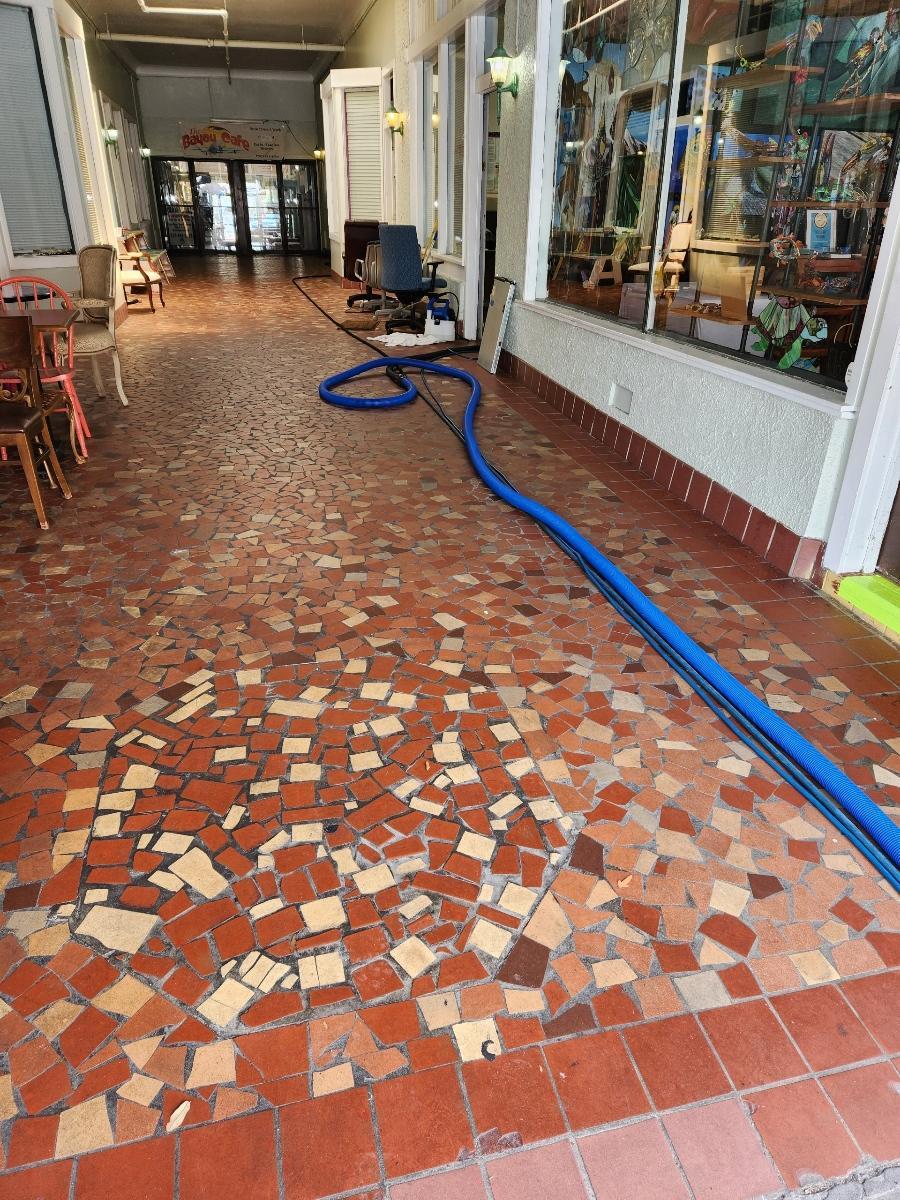
2. Dining Room Floors: Managing Spills, Crumbs, and Constant Foot Traffic
Dining rooms face a different set of challenges from entrances. Crumbs collect beneath tables, drinks spill near seating areas, and chairs repeatedly scrape or move across the floor. During busy service periods, small messes can quickly accumulate, making consistent spot cleaning essential.
A good dining room routine focuses on both visible cleanliness and areas that are easy to overlook.
Clean between service periods
Staff should remove food debris and address spills as they occur, using methods and products suitable for the floor material. Cleaning beneath tables and around chair legs is especially important because these spots can be missed during a quick pass through the room.
Match the method to the floor
Tile, vinyl, sealed wood, and natural stone do not all respond to the same cleaning solutions. Using an unsuitable product or excessive moisture can damage some surfaces or leave residue behind. Always check manufacturer recommendations before selecting a cleaning method.
For ongoing restaurant floor cleaning in Clearwater, FL, managers should establish clear responsibilities for sweeping, mopping, spill response, and end-of-day cleaning.
Staff should also use appropriate warning signs and follow procedures that limit access to wet floors until they are safe to walk on.
The National Restaurant Association explains the difference between cleaning, sanitizing, and disinfecting in its guide to cleaning, sanitizing, and disinfecting.
These processes serve different purposes, so restaurant teams should apply them according to the surface, task, and relevant food-safety requirements.
A consistent routine can also make deeper cleaning easier. When spills and loose debris are handled promptly, less buildup is left for periodic maintenance.
3. Restaurant Carpets and Area Rugs: Keeping Soft Surfaces Presentable
Not every restaurant has carpet or area rugs, but those that do need a suitable maintenance routine. Carpeting may be used in private dining rooms, lounges, or designated seating areas, where food crumbs, drink spills, and tracked-in dirt can become trapped in the fibers.
Regular vacuuming and prompt attention to spills help maintain these surfaces between professional cleanings. For persistent stains or embedded soil, commercial carpet cleaning in Clearwater, FL, can provide a deeper clean suited to the carpet’s material and condition.
Restaurants should consider professional cleaning when carpets look dull, stains remain after routine care, or heavily used areas begin to show noticeable soil buildup. The Carpet and Rug Institute provides additional information on commercial carpet maintenance and cleaning standards.
For restaurants with carpeted areas, restaurant carpet cleaning in Clearwater, FL, can be scheduled around quieter operating periods to minimize disruption and allow sufficient drying time before guests return.
Carpet care should remain one part of a broader maintenance plan, rather than the main focus. In most restaurants, entrance flooring, dining room surfaces, and other hard floors will require more regular attention.
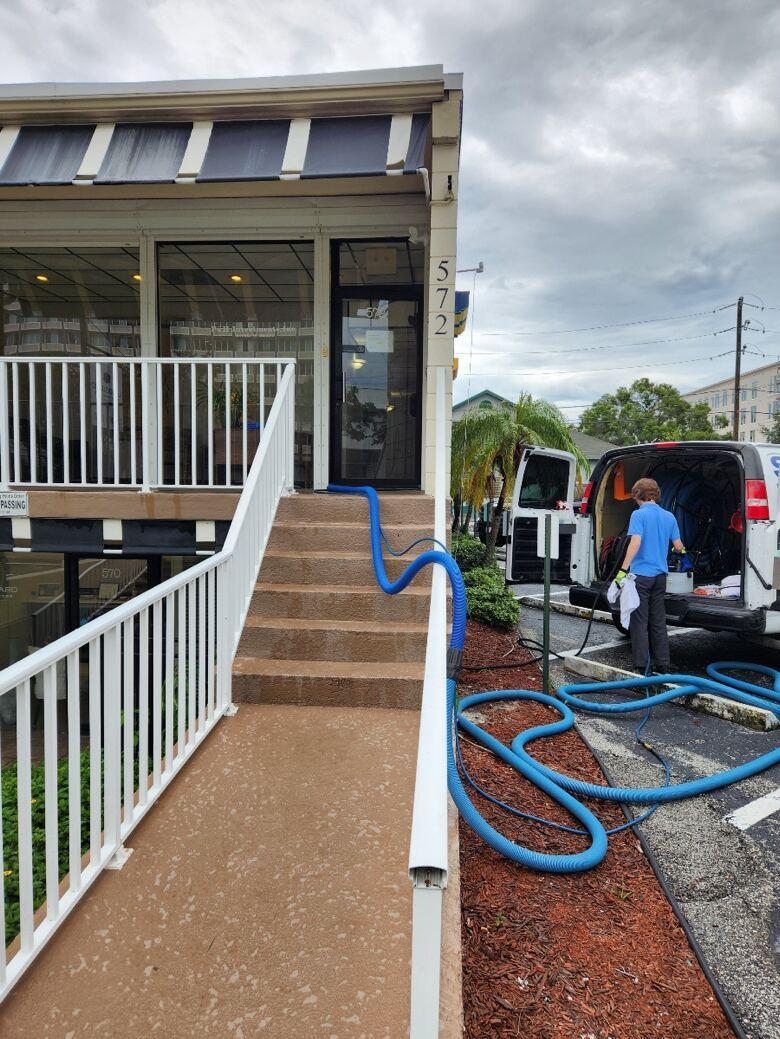
4. Tile and Grout: Addressing Dirt That Everyday Mopping Misses
Tile is a practical flooring choice in many restaurants, but keeping it clean requires attention to both the tile surface and the grout lines between pieces. Daily sweeping and mopping remove loose debris and surface soil, yet grime can gradually accumulate in grout and along edges, particularly in areas that experience frequent spills and foot traffic.
Routine maintenance is important, but it may not be enough to address buildup that develops over time. Periodic commercial tile and grout cleaning in Clearwater, FL, can help remove stubborn soil and refresh the appearance of these surfaces.
Why grout needs special attention
Grout is often more porous than the surrounding tile, although its characteristics depend on the material and whether it has been sealed. Dirt, food residue, and cleaning-product buildup can make grout lines appear darker than the tile itself.
Simply mopping over them may not provide the deeper cleaning needed.
Restaurant managers should pay particular attention to:
Grout lines around tables and beneath fixed seating.
Floor edges and corners where mops may miss debris.
Areas near drink stations and other places where spills are frequent.
Transitions between different flooring materials.
Tile surfaces that look dull or feel sticky after routine cleaning.
The correct cleaning solution and method depend on the tile and grout type. Using overly aggressive products can damage certain materials, while excessive detergent may leave residue behind.
When should restaurant tile be professionally cleaned?
Professional cleaning may be worthwhile when grout remains discolored despite regular maintenance, when soil has accumulated in busy walkways, or when routine cleaning no longer restores the floor’s appearance. A suitable process should account for the material, the condition of the grout, and the restaurant’s operating schedule.
For businesses seeking restaurant tile and grout cleaning in Clearwater, FL, it is helpful to schedule deeper maintenance before buildup becomes difficult to manage.
Staff can then maintain the surface with appropriate daily cleaning between professional visits.
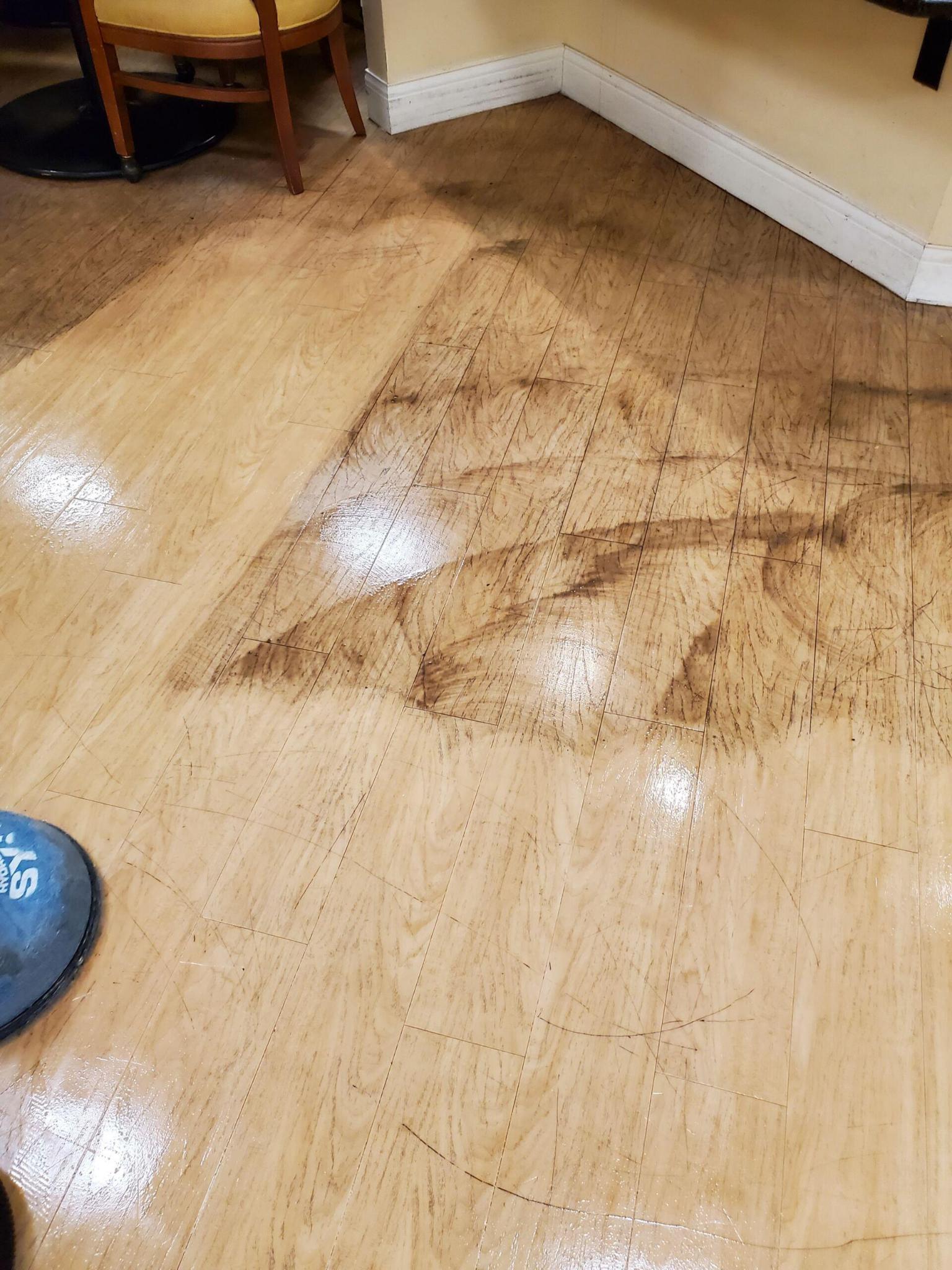
5. Stone Flooring: Cleaning Without Damaging the Surface
Some restaurants use natural stone flooring to create a distinctive look in dining rooms, entrances, bars, and upscale seating areas. Marble, limestone, granite, and other stones have different properties, so they should not all be cleaned in the same way.
A product that works on one floor may dull or damage another. For example, acidic cleaners can etch calcium-based stones such as marble and limestone. Abrasive tools may also scratch certain finishes, while excessive cleaning-product residue can leave a cloudy appearance.
The Natural Stone Institute’s care and cleaning guidance recommends identifying the type of stone before choosing a cleaning method and using suitable products for the material.
Everyday care for restaurant stone floors
A stone-floor maintenance routine should include frequent removal of loose dirt and grit, prompt attention to spills, and cleaning with products recommended for that particular surface. Dirt particles can act abrasively under shoes, so allowing them to accumulate may affect the finish over time.
Restaurant teams should also avoid assuming that every stain can be removed with stronger chemicals. Some marks are stains, while others are etching or changes to the surface finish that ordinary cleaning cannot correct.
For deeper commercial floor cleaning in Clearwater, FL, the service provider should understand the stone type and its condition before proceeding. Professional cleaning can address suitable soil and buildup, but restoration or polishing may require a separate specialist.
A careful approach helps restaurant owners maintain the appearance of stone floors without creating avoidable surface damage.
6. Beyond the Floor: Tables, Chairs, Booths, and Upholstery
Floors are only one part of a restaurant’s cleaning requirements. Dining tables, chairs, booths, and waiting-area furniture also collect crumbs, spills, fingerprints, and everyday dirt. These surfaces should be included in the cleaning plan rather than left until they look visibly soiled.
Tables and other food-contact surfaces require particular attention. Staff should follow the restaurant’s food-safety procedures for cleaning and sanitizing these surfaces, using approved products according to their instructions. Upholstered seating requires a different approach, as excess moisture or unsuitable cleaning solutions may affect certain fabrics.
A practical furniture-care routine includes:
Cleaning and sanitizing tables according to applicable food-safety requirements.
Wiping chair backs, armrests, and other frequently touched surfaces.
Removing crumbs from booth seams and beneath seat cushions.
Addressing upholstery spills promptly using a method appropriate for the fabric.
Scheduling professional upholstery cleaning when embedded soil or persistent stains become difficult to manage.
For restaurants with fabric seating, commercial upholstery cleaning in Clearwater, FL, can help address accumulated soil while supporting routine maintenance.
Always check the fabric’s care instructions before applying a cleaning product or arranging professional service.

7. Restaurant Cleaning Priorities Beyond the Dining Room
Guests may spend most of their time in the dining room, but other parts of the restaurant also need consistent attention. Restrooms, waiting areas, beverage stations, service corridors, and staff spaces each have different cleaning demands.
Restrooms need frequent inspections and prompt attention to spills, soiled floors, and high-touch surfaces. Waiting areas can accumulate dirt from outside, while beverage stations may require extra checks because of repeated drips and splashes.
Kitchen and food-preparation areas require particular care. Floor cleaning must be coordinated with food handling and storage so cleaning activities do not introduce contamination. Staff should follow applicable food-safety requirements and use appropriate procedures for cleaning equipment, utensils, and food-contact surfaces.
The FDA Food Code provides a reference for food-service sanitation practices, including requirements related to cleaning equipment and maintaining food establishments. Restaurant operators should follow the applicable local regulations and requirements for their facility.
A useful way to coordinate responsibilities is to assign specific tasks to designated staff and establish inspection times. This makes it easier to identify areas that need attention without relying on someone to notice a problem by chance.
8. Daily, Weekly, and Monthly Restaurant Cleaning Tasks
A structured cleaning schedule helps restaurants balance regular upkeep with deeper maintenance. The exact frequency will depend on the restaurant’s size, operating hours, floor materials, and volume of customers.
Daily cleaning
Daily tasks should address the dirt and mess generated during regular operations.
Sweep entrances and dining areas as needed.
Clean up spills promptly and keep walkways clear.
Mop floors with products suitable for the surface.
Vacuum carpeted areas, if present, according to traffic levels.
Clean tables and seating according to established procedures.
Inspect restrooms, waiting areas, and beverage stations throughout service.
Weekly cleaning
Weekly tasks can focus on areas that routine cleaning may not fully address. Staff can clean accessible corners, inspect grout lines, move suitable furniture to reach hidden debris, and check for recurring stains or residue.
Managers should also review whether high-traffic areas need more frequent attention. A busy entrance, for example, may require additional cleaning compared with a private dining room used only occasionally.
Monthly or condition-based maintenance
Some cleaning tasks are better scheduled according to surface condition rather than a fixed calendar. These may include professional carpet steam cleaning, deeper tile and grout cleaning, upholstery care, and specialized maintenance for natural stone.
Commercial floor cleaning in Clearwater, FL, can be incorporated into a recurring maintenance plan based on the restaurant’s needs. A schedule should remain flexible enough to account for seasonal traffic, spills, and changes in how the space is used.
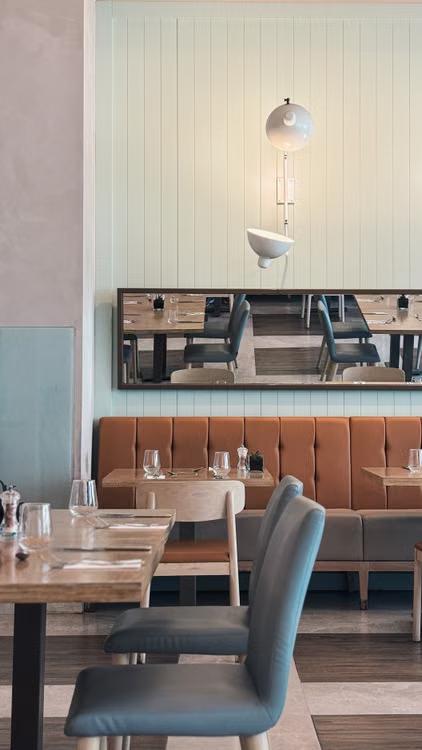
9. Preparing Restaurant Floors for Holiday Crowds and Peak Seasons
Holiday celebrations, special events, and seasonal tourism can increase restaurant traffic. More customers generally mean more dirt tracked indoors, more frequent spills, and less time between dining-room turnovers. Preparing ahead can help managers avoid trying to address months of accumulated soil during an already busy period.
Start by inspecting the areas that experience the most activity. Entrances, main walkways, dining spaces, and flooring near service stations are good places to begin.
Identify persistent stains, dull-looking surfaces, and grout lines that may need deeper cleaning.
Where possible, schedule professional services before peak periods rather than during the busiest days. Allow enough time for cleaned surfaces to dry fully and for the restaurant to prepare the space before reopening it to customers.
For establishments planning restaurant floor cleaning in Clearwater, FL, seasonal maintenance can be especially useful when increased foot traffic makes routine upkeep more demanding. Managers should also ensure staff have clear procedures for responding to spills and keeping walkways safe during service.
10. Common Restaurant Cleaning Mistakes That Can Cost Time
Even restaurants with regular cleaning schedules can overlook practices that make maintenance less effective.
Using the same product on every floor: Tile, vinyl, wood, and natural stone have different care requirements. Always choose products suitable for the material.
Ignoring spills until closing: Food and drinks left on surfaces can become harder to remove. Prompt cleanup helps prevent residue and reduces the chance of stains setting in.
Focusing only on visible areas: Dirt often accumulates beneath tables, along edges, and around furniture legs. These areas need to be included in routine inspections.
Using too much cleaning solution: Excess product can leave residue, create a slippery-feeling surface, or attract more soil. Follow the manufacturer’s directions instead of assuming that more cleaner means a better result.
Skipping deeper maintenance: Daily cleaning handles routine mess, but it may not remove embedded soil or buildup from grout. Schedule deeper cleaning when the condition of the surface calls for it.
Overlooking drying time: Wet floors can create slip hazards and interfere with service. Use suitable warning signs and follow procedures that prevent guests and staff from entering areas before they are safe.
Correcting these habits can make routine cleaning more consistent and help staff use their time more effectively.
11. When Should Restaurants Hire Professional Cleaning Services?
Routine staff cleaning is essential, but some jobs require specialized equipment, additional time, or knowledge of particular materials. Professional cleaning may be worth considering when stains remain despite routine care, grout lines appear persistently soiled, or high-traffic floors no longer respond well to everyday maintenance.
Restaurants may benefit from professional help with:
Commercial carpet steam cleaning: For carpeted dining areas, lounges, or private rooms that have accumulated embedded dirt.
Tile and grout cleaning: For floor surfaces with stubborn buildup that routine mopping does not adequately address.
Wood and vinyl floor cleaning: For suitable surfaces that need a cleaning method tailored to their material.
Upholstery cleaning: For fabric seating that requires more than routine spot care.
Specialized surface cleaning: For natural stone and other flooring materials that require careful product selection.
When comparing providers, ask how they assess each surface, which cleaning method they recommend, and how long the area may need to dry. It is also worth discussing scheduling options to minimize disruption to restaurant operations.
A professional service should explain what the process can reasonably achieve and identify when a stain or surface issue may require a different treatment.
12. Creating a Restaurant Cleaning Plan That Works Year-Round
A useful cleaning plan should reflect the restaurant’s layout, operating schedule, and busiest areas. Rather than treating every surface equally, managers can prioritize spaces based on how frequently they are used and how quickly they become soiled.
Begin by listing the main areas and assigning responsibility for each routine task.
Set inspection times during service and at closing, and maintain a record of recurring problems. If the same section of flooring repeatedly becomes dirty, the restaurant may need more frequent spot cleaning, improved entrance matting, or a revised maintenance schedule.
It also helps to track professional cleaning dates and note any persistent stains or surface concerns. This gives managers a clearer picture of which areas need attention and helps them plan services around slower business periods.
For restaurants seeking commercial floor cleaning in Clearwater, FL, a consistent maintenance plan can make it easier to determine when professional cleaning is needed and which services should be prioritized. The goal is not to deep clean every surface constantly, but to combine everyday upkeep with timely, material-appropriate maintenance.
Professional Restaurant Floor and Surface Cleaning
At Steambrite Cleaning Services, we help businesses maintain cleaner, more presentable spaces with commercial carpet steam cleaning, tile and grout cleaning, wood and vinyl floor cleaning, and upholstery care. We tailor our cleaning approach to the surface and its condition, helping restaurant managers address the needs of dining rooms, entrances, seating areas, and other shared spaces. We serve Clearwater and surrounding communities and offer free estimates so you can discuss your restaurant’s cleaning needs with us. When you want it done right, call Steambrite!
