


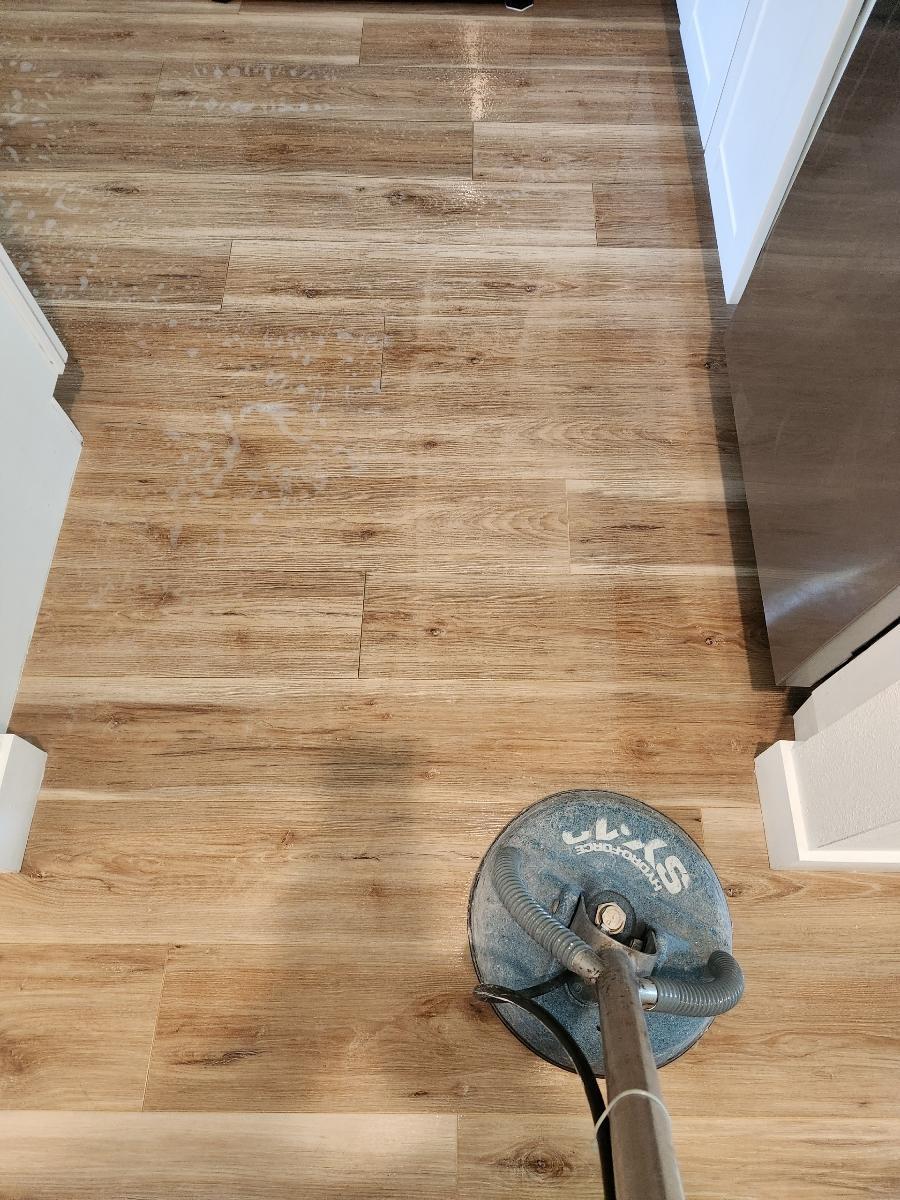
Floor cleaning is an important part of maintaining a home that receives constant daily use. Shoes bring in soil, pets track debris, children create spills, and ordinary activity gradually leaves residue behind. Sweeping, vacuuming, and mopping help with routine care, but professional cleaning can address buildup that those methods may not fully remove. The right process also depends on the flooring material.
Carpet, tile, grout, LVT, wood, and laminate each have different cleaning requirements. Using one method for every surface can produce poor results or create unnecessary problems. Professional floor cleaning uses appropriate equipment, solutions, and procedures for the surface being serviced.
For homeowners arranging carpet cleaning, the condition and material of the surface should guide the process. A busy family room may need different attention from a lightly used bedroom, while a tiled kitchen may require a different approach from a hardwood hallway.
Whole-house professional cleaning can make maintenance easier. Instead of addressing rooms individually, homeowners can have multiple flooring types assessed and cleaned during one coordinated service. This can create a more consistent level of cleanliness throughout the home.
Why Professional Cleaning Matters
Routine cleaning removes loose dirt and helps maintain a presentable home, but household equipment has limitations. Vacuum cleaners collect surface debris from carpet, while mops remove some residue from hard floors. Repeated foot traffic can still push soil into carpet fibers, corners, grout lines, and textured surfaces.
Professional cleaning provides equipment designed for deeper cleaning than many household tools. Steam cleaning can loosen and remove accumulated soil from appropriate surfaces, while specialized solutions can address particular flooring materials. Proper cleaning supports ongoing maintenance and helps surfaces remain in better condition between services.
Professional service is especially useful after heavy household activity. Moving furniture, hosting guests, completing home projects, dealing with tracked-in dirt, or preparing for an occasion can leave floors needing more attention than usual.
Another benefit is consistency. A professional can assess the flooring and identify areas that receive heavier use. Entryways, hallways, kitchens, and family rooms commonly require more frequent cleaning than rooms with less daily traffic.
Professional Carpet Cleaning
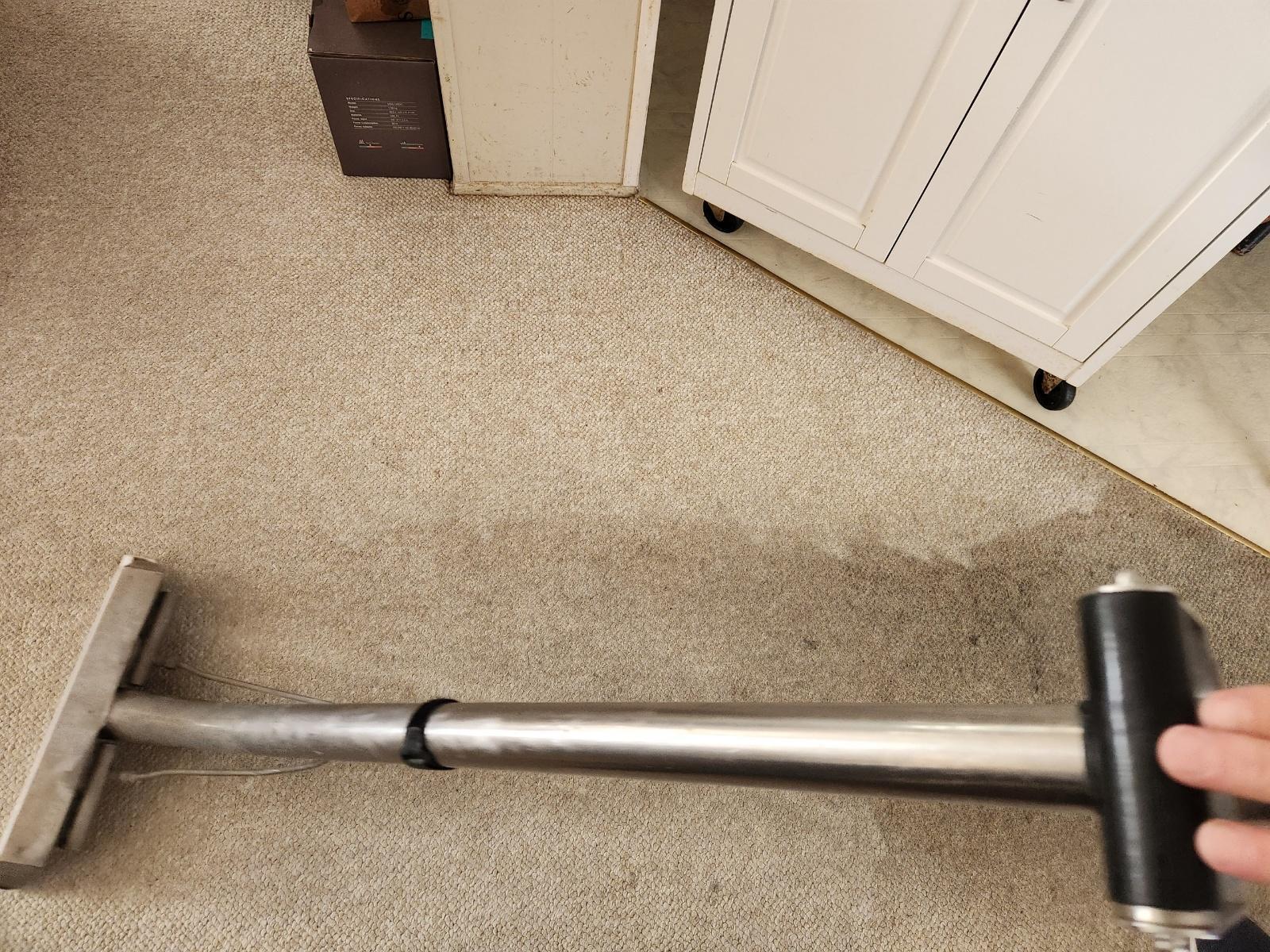
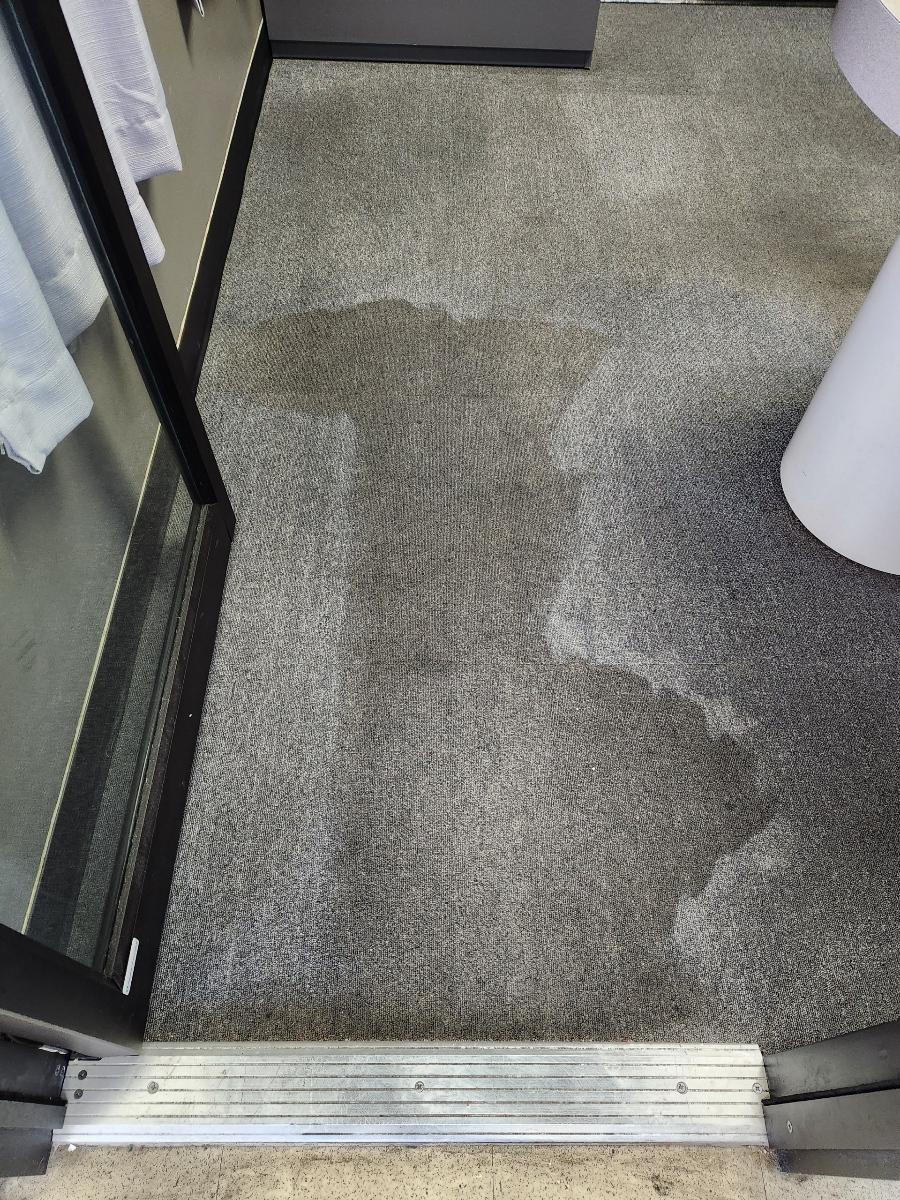
Carpet fibers can hold dust, dry soil, crumbs, pet debris, and other material below the surface. Even when carpet appears reasonably clean, regular use can gradually change its appearance. High-traffic paths may look darker or flatter than surrounding areas.
Professional carpet steam cleaning can address accumulated soil while refreshing heavily used areas. The process should account for the carpet’s material, condition, and level of soiling. Some sections may need additional attention because they receive substantially more traffic.
Regular professional cleaning does not eliminate the need for vacuuming. Vacuuming removes loose particles before they become embedded, while professional service addresses buildup that ordinary vacuuming may not remove.
Cleaning does not guarantee that carpet will never mat. It can slow down matting by removing soil that contributes to a worn appearance, but it cannot prevent the natural effects of traffic and use.
Additional services may be available when needed. Odor treatment and fabric protection can be provided for an additional charge, depending on the service and carpet condition. These options should be discussed before cleaning so homeowners understand what is included.
Professional carpet cleaning can be useful throughout a whole house. Bedrooms, stairs, hallways, living rooms, and other carpeted areas collect different amounts of soil, and cleaning them together can provide a more consistent result.
Cleaning Tile and Grout
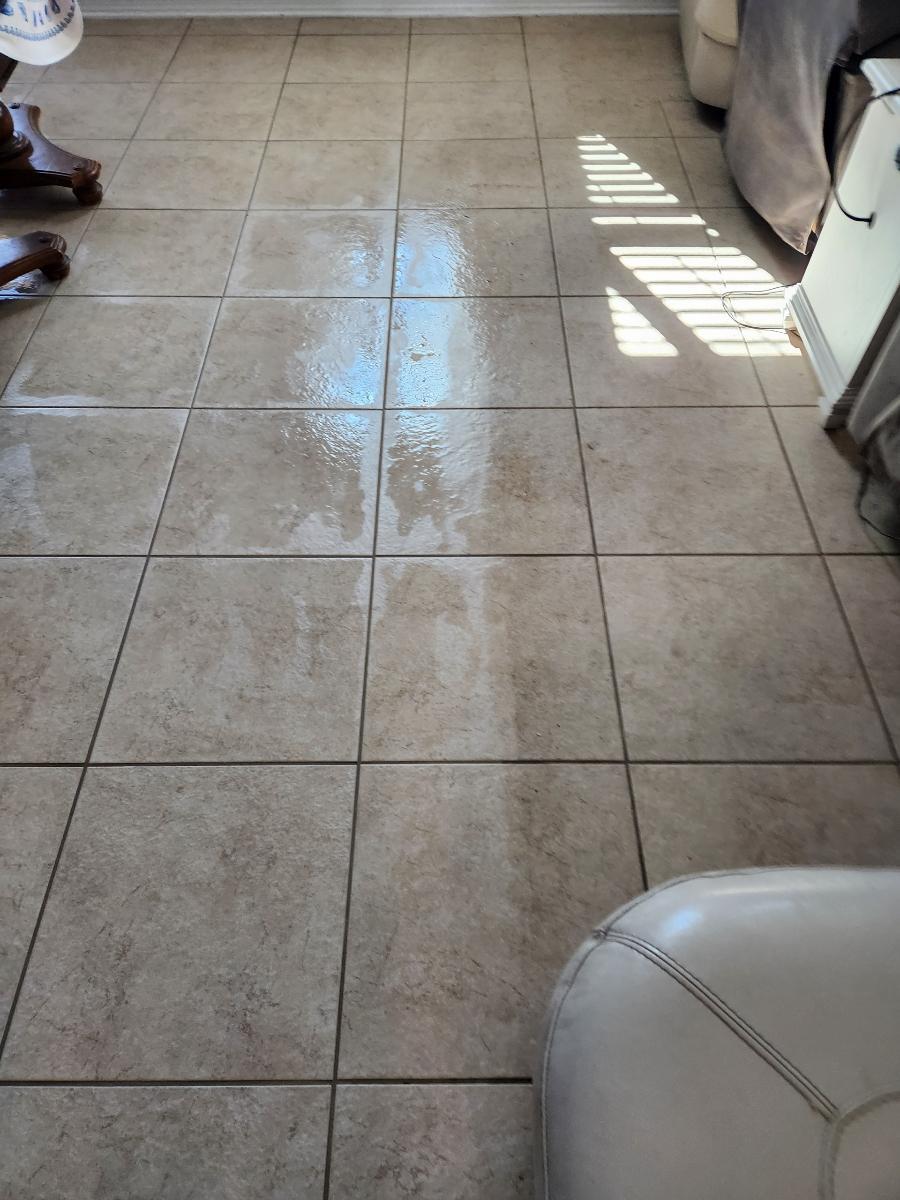
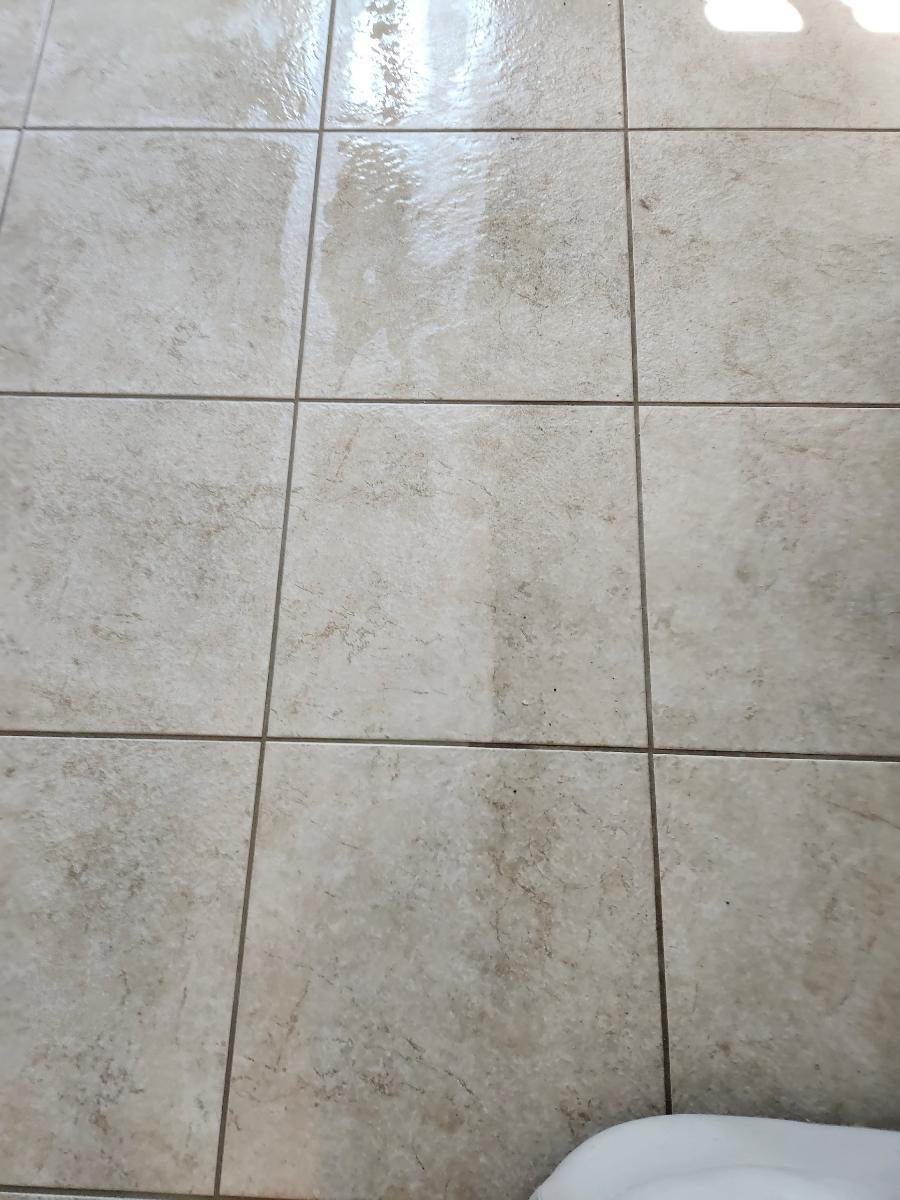
Tile flooring is generally easy to maintain, but grout can become a noticeable source of discoloration. Grout lines are porous compared with many tile surfaces, allowing dirt and residue to settle over time. Kitchens, bathrooms, entryways, and other busy tiled areas may show buildup sooner.
Professional tile and grout cleaning uses steam cleaning and a solution designed for the specific tile type. This material-specific approach helps remove accumulated soil while treating the flooring appropriately.
Professional tile cleaning is not the same as refinishing. Cleaning removes dirt and residue from the existing surface; it does not include honing or polishing tile floors. Homeowners should understand this distinction when discussing expectations.
Heavily soiled tile or vinyl floors may require additional mechanical scrubbing. A rotary scrubber can be available at an additional charge and is not automatically included in the standard tile and grout process. Discussing the flooring condition before service helps determine whether this option may be useful.
Routine maintenance remains important afterward. Sweeping or vacuuming loose debris and promptly addressing spills can reduce the material that reaches grout lines. Periodic professional service can then address buildup that accumulates despite regular care.
Whole-House LVP Cleaning
Luxury Vinyl Plank, commonly called LVP, is popular because it provides a practical surface for many rooms. It may be found in living areas, bedrooms, kitchens, hallways, and other parts of a home. Because LVP can cover a large portion of the house, cleaning needs may extend beyond one room.
Whole-house LVP cleaning addresses multiple areas during one professional service. Entryways may receive tracked-in soil, kitchens may collect food residue, and hallways can develop visible traffic patterns.
Steam cleaning can refresh LVP surfaces when performed with an appropriate process. The cleaning solution should be suitable for the flooring material. Professional service focuses on removing surface soil and residue without treating LVP like carpet or tile.
Whole-house cleaning can also make sense when flooring is visually consistent throughout several rooms. Cleaning only one section may leave obvious differences between serviced and unserviced areas.
Regular household care remains necessary. Dust removal, prompt spill cleanup, and manufacturer-recommended maintenance can reduce buildup. Professional cleaning serves as a deeper maintenance step when ordinary cleaning no longer produces the desired result.
Whole-House LVT Cleaning
Luxury Vinyl Tile, or LVT, shares some maintenance characteristics with LVP but is often installed in tile-like patterns. It may be used in kitchens, bathrooms, utility areas, entryways, and other practical spaces.
Because LVT can extend through several rooms, whole-house cleaning provides an efficient way to address accumulated dirt and residue. Instead of cleaning one visible problem area while leaving nearby rooms untouched, homeowners can arrange service for the full set of LVT surfaces.
Steam cleaning is used for LVT with attention to the flooring material and its condition. Appropriate solutions can help remove residue from regular household activity. Professional cleaning is especially useful when floors appear dull despite routine sweeping and mopping.
Traffic levels should also be considered. Areas near exterior doors may collect more soil than bedrooms, while kitchens may receive frequent spills and hallways constant foot traffic. Professional service can give additional attention to these areas when necessary.
Whole-house LVT cleaning does not eliminate routine maintenance. Regular dust removal and appropriate damp cleaning help keep surfaces presentable between professional appointments.
Professional Wood Floor Cleaning
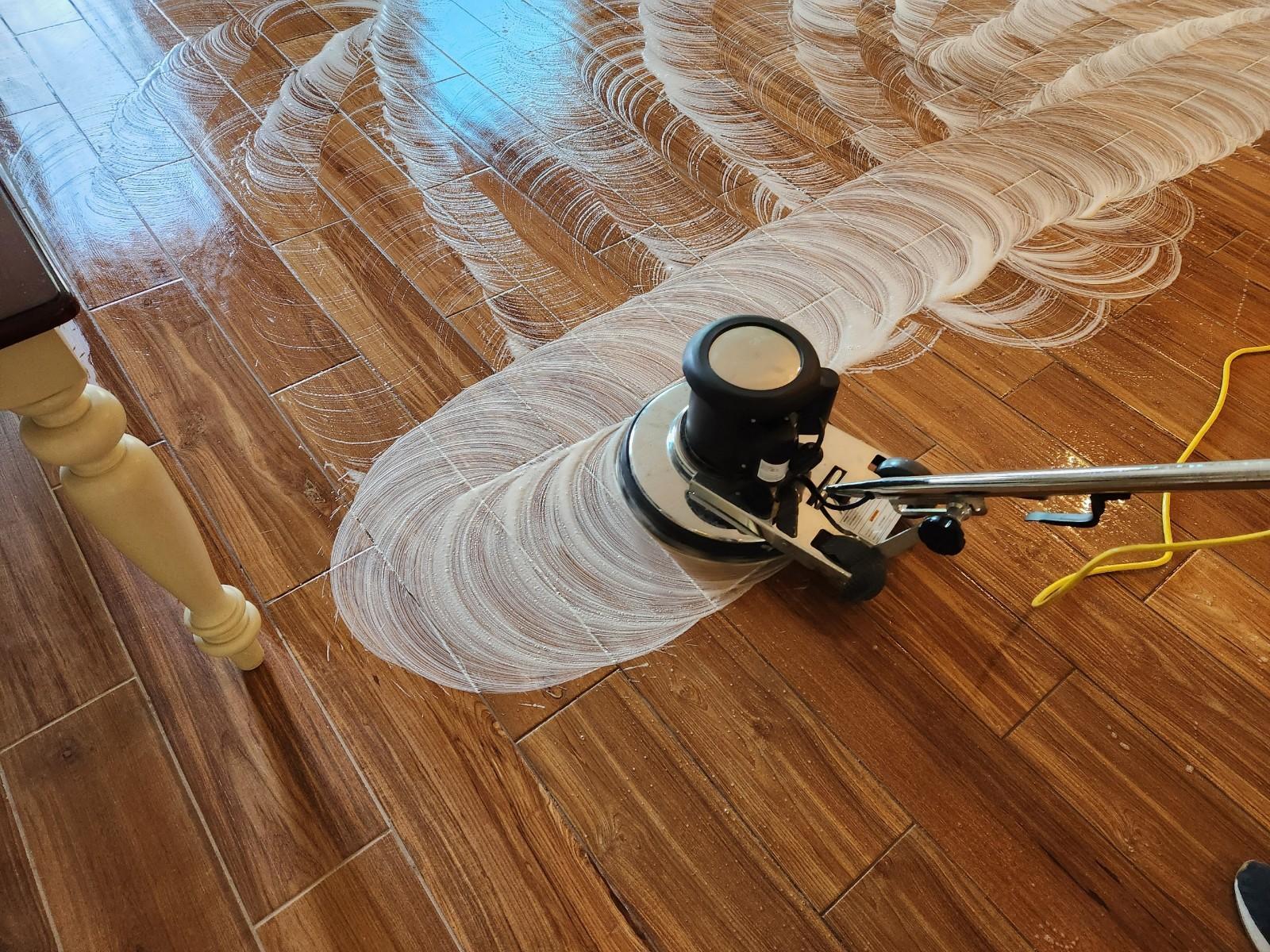
Wood flooring requires careful treatment because excessive moisture, unsuitable products, and improper procedures can affect the surface. Professional cleaning should begin with an understanding of the flooring type and condition.
Unlike carpet or tile, wood should not be treated with large amounts of water. Cleaning methods need to suit the surface and finish. Professional service can address accumulated dirt while limiting unnecessary moisture exposure.
Homeowners should distinguish cleaning from refinishing. Professional cleaning removes soil and residue from the existing surface, while refinishing is a different type of work.
Daily maintenance helps preserve wood flooring. Dust and grit should be removed regularly because abrasive particles can contribute to surface wear. Spills should also be addressed promptly.
Furniture placement and traffic patterns influence wear. Areas around dining tables, entryways, and frequently used hallways may show signs of use sooner than less active rooms. Before scheduling service, homeowners should provide information about the flooring’s material, finish, age, or previous treatment when known.
Professional Laminate Floor Cleaning
Laminate flooring provides a practical surface with a decorative appearance, but it still needs appropriate care. Its layered construction means cleaning should account for moisture and surface condition.
Excess water can be problematic, particularly around seams and edges. Homeowners should avoid treating laminate like a surface that can be saturated. Professional service should use a method suitable for the flooring and its condition.
Routine maintenance begins with removing loose dirt and grit. Fine particles can be abrasive when repeatedly walked across the surface. Spills should be cleaned promptly, especially in kitchens and dining areas.
Professional cleaning can address residue left after ordinary household care. Kitchens may accumulate cooking-related residue, while entryways receive material from outdoor traffic. These substances can make laminate appear less clean even when regularly maintained.
As with wood, cleaning and refinishing are different services. Professional floor cleaning removes dirt and residue rather than changing the structure or finish. Homeowners should also avoid random cleaning products marketed for general floors, since unsuitable solutions may leave residue or affect laminate’s appearance.
Choosing the Right Cleaning Approach
The best cleaning approach depends on the surface, condition, and type of soil present. Carpet requires different treatment from LVP. Tile and grout have different needs from wood, while laminate requires attention to moisture.
A professional assessment can identify these differences before work begins. Instead of using the same process in every room, the cleaning plan can account for flooring materials and visible conditions.
Whole-house cleaning is useful when several flooring types are present. A homeowner may have carpet in bedrooms, LVP in living areas, tile in bathrooms, and laminate elsewhere. Each surface can require a different approach, even when the overall goal is to remove accumulated dirt.
Specific concerns should be communicated before service. Stains, residue, high-traffic areas, pet-related odors, and heavy soiling can affect the cleaning plan.
Homeowners should also ask what is included. Odor treatment and fabric protection may carry an additional charge for commercial carpet cleaning. Rotary scrubbing for heavily soiled vinyl or tile may also cost extra. Understanding these details beforehand helps avoid confusion.
Cleaning High-Traffic Areas
Entryways, hallways, kitchens, family rooms, and frequently used bathrooms generally receive more traffic than guest rooms or formal spaces.
High-traffic areas collect soil quickly because shoes and household activity repeatedly introduce material. Carpet may show darker pathways, while hard surfaces can develop visible residue or dullness.
Professional cleaning can focus on these areas without ignoring the rest of the home. Whole-house service allows frequently used spaces to receive appropriate attention while lower-traffic rooms are also maintained.
Furniture can affect access. Sofas, tables, beds, cabinets, and other items may cover sections of flooring. Homeowners should ask about preparation requirements before service. Moving smaller items may improve access, while larger furniture may remain in place depending on the service.
Regular cleaning supports the appearance of high-traffic flooring, but it cannot stop normal wear. Carpet can mat, wood can show traffic-related wear, and hard surfaces can change gradually through daily use.
Cleaning After Spills and Household Activity
Spills are a common reason homeowners seek professional cleaning. Food, beverages, mud, household products, and other substances can leave visible residue. Quick action helps, but some spills remain noticeable after basic cleaning.
The correct response depends on the flooring material. Carpet, tile, LVP, LVT, wood, and laminate should not automatically receive the same product or procedure.
For carpet, blotting a fresh spill may limit the spread of liquid. For hard flooring, removing the substance promptly can reduce the chance of residue drying onto the surface. Homeowners should avoid aggressive scrubbing when unsure how a material should be treated.
Professional cleaning can help when household efforts leave behind visible soil or residue. The process can be selected according to the surface and its condition.
Whole-house service may also be useful after hosting visitors, moving into a new property, completing renovations, or preparing a home for an event. Professional cleaning can restore a cleaner baseline for normal maintenance.
How Often Should Floors Be Professionally Cleaned?
There is no single schedule for every household. Cleaning frequency depends on traffic, flooring type, pets, children, household routines, and the amount of outdoor soil entering the property.
Busy homes may benefit from more frequent professional cleaning than homes with limited daily traffic. Entryways and hallways may need attention sooner because they receive repeated use.
Carpet generally benefits from regular professional cleaning because soil can become embedded below the visible surface. Tile and grout may require periodic service when grout lines become discolored or ordinary cleaning stops producing the desired appearance.
LVP and LVT can benefit from whole-house professional cleaning when residue accumulates across multiple rooms. Wood and laminate should be cleaned according to their material requirements rather than a generic schedule.
Dullness, traffic patterns, persistent residue, or soil that returns quickly after routine cleaning may indicate that professional attention is appropriate. Regular service can help keep accumulated material from becoming excessive while supporting everyday care.
Preparing for Professional Floor Cleaning
Preparation can make professional cleaning more efficient. Homeowners should remove small objects, toys, loose rugs, and personal items from areas being serviced when possible.
Clearing carpeted rooms provides better access, while removing clutter from hard surfaces allows cleaning around edges and difficult-to-reach areas.
It is helpful to identify problem areas before the team arrives. Pointing out stains, high-traffic sections, residue, or flooring concerns helps the team understand where additional attention may be needed.
Homeowners should provide information about previous cleaning, coatings, repairs, or unusual flooring conditions when known. If multiple flooring types are present, identifying each material makes communication easier.
Clear communication also helps with additional services. If odor treatment, fabric protection, or rotary scrubbing may be useful, homeowners can ask about availability and charges before work begins.
Maintaining Floors Between Professional Services
Professional cleaning works best alongside consistent household maintenance. Vacuuming carpet regularly reduces loose soil before it settles deeper into fibers. Hard floors benefit from routine dust removal and appropriate cleaning.
Spills should be addressed promptly. Leaving liquids, food residue, or tracked-in soil on flooring for long periods can make cleanup more difficult.
Entry mats can reduce outdoor soil entering a home. Furniture pads may help reduce certain types of surface wear, and heavy furniture should not be dragged across flooring.
For wood and laminate, moisture control is especially important. Excess water should not sit on these surfaces. LVP and LVT should be maintained with products and procedures appropriate for their flooring type.
Carpet should be vacuumed regularly, with additional attention given to high-traffic pathways. Routine maintenance cannot stop natural wear, but it can help manage loose soil and keep professional cleaning more effective.
Why Whole-House Service Can Be Practical
Dirt does not stay confined to individual spaces. Foot traffic connects entryways, hallways, bedrooms, kitchens, and living areas. When multiple rooms need attention, whole-house service can be convenient.
A coordinated appointment can address several flooring areas without requiring separate visits. It can also create a more consistent appearance throughout the property.
Whole-house cleaning is especially useful when a home has extensive LVP or LVT flooring. Because these materials may extend across many rooms, cleaning only the most visible section can leave other areas looking different.
The same applies to carpet. A living room may appear cleaner after professional service, while adjacent hallways and bedrooms still contain accumulated soil. Cleaning connected areas can provide a more balanced result.
Whole-house service does not mean every room receives identical treatment. Each surface should be cleaned according to its material and condition. Carpet can receive steam cleaning, tile and grout can receive material-appropriate cleaning, and LVP or LVT can receive a suitable process.
This combination of broad coverage and material-specific care makes whole-house service practical for homeowners seeking comprehensive floor maintenance.
Professional Cleaning for a Cleaner Home
Professional floor and surface cleaning can help maintain a home that receives constant daily use. Carpet, tile, grout, LVP, LVT, wood, and laminate all collect different forms of soil, and each material benefits from an appropriate cleaning approach.
Whole-house LVP and LVT cleaning can address dirt and residue across multiple rooms, helping maintain a consistent appearance. Professional cleaning for wood and laminate can provide appropriate care while recognizing the importance of moisture control and surface-specific procedures.
Tile and grout cleaning can address buildup in grout lines, while carpet cleaning can remove accumulated soil from heavily used areas. Routine household maintenance remains necessary, but professional service provides a deeper level of cleaning when ordinary methods are no longer enough.
Maintaining Your Home’s Surfaces
The most useful approach is to consider the flooring materials throughout the home, the amount of traffic each room receives, and the type of buildup present. Professional cleaning should be viewed as part of ongoing maintenance rather than a replacement for daily care.
When several rooms need attention, whole-house service can make the process more convenient and provide consistent care across the property. Whether the priority is carpet, tile, grout, LVP, LVT, wood, or laminate, discussing the flooring and its condition before service helps establish realistic expectations.
Get Professional Cleaning for Your Home
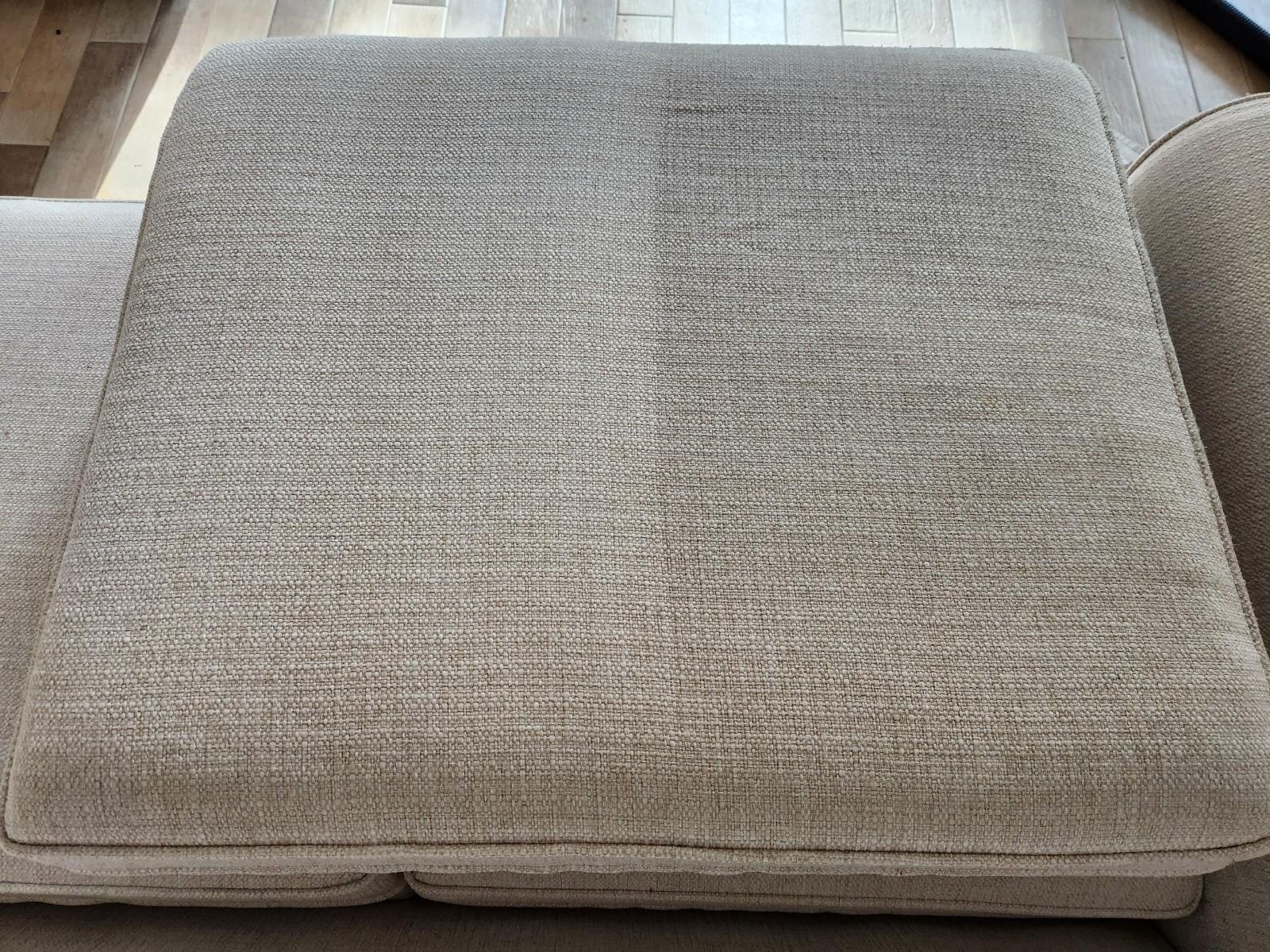
For homeowners considering tile and grout cleaning, carpet cleaning services, or upholstery cleaning in Clearwater, Steambrite Cleaning Services offers professional cleaning options to help keep household surfaces cleaner and better maintained. Contact our team to discuss the surfaces in your home and determine which professional cleaning service fits your needs.
