


Furniture plays a big role in how a home feels. Sofas, chairs, and sectionals are where families relax, guests gather, and daily life happens. These pieces quietly absorb everything from snack crumbs to daily wear, and over time it shows. Fabrics collect dust, spills, body oils, and odors that regular vacuuming simply cannot remove. This is where Steam furniture cleaning becomes an effective solution when it is done with care and precision. In places like furniture cleaning in Tarpon Springs, homeowners want noticeable results without soaking cushions or risking damage to delicate materials. Achieving that balance is the goal of modern steam and low-moisture cleaning methods.
Steam-based upholstery care focuses on control. The heat helps loosen oils and grime that cling to fibers, while carefully measured moisture allows dirt to be lifted without saturating the fabric. Professional equipment is designed to apply just enough moisture to clean deeply and then immediately extract it. This approach prevents water from reaching the padding underneath, which is where problems like lingering odors or extended drying times can begin.
Another benefit of steam cleaning is how it improves the overall feel of furniture. Fabrics that once felt stiff or rough often regain softness after built-up residue is removed. Colors appear brighter and more even, especially in areas that receive frequent contact like armrests and seat cushions. Odors caused by pets, food, or everyday use are also reduced because the cleaning process removes the source rather than covering it up.
The right technique makes all the difference. Steam cleaning is not about rushing through the job or flooding the upholstery. It is a thoughtful process that considers fabric type, usage, and condition. When done properly, it delivers deep cleaning, faster drying, and visible improvements that make furniture look and feel inviting again.
Why Furniture Fabrics Need More Than Vacuuming
Vacuuming is a good habit and an important first step in caring for upholstered furniture, but it only scratches the surface. While a vacuum can pick up crumbs, lint, and loose dust, it cannot reach what settles deeper inside the fabric. Upholstery materials act like filters over time. Every time someone sits down, tiny particles are pushed further into the fibers and padding below.
Fine dust, pollen, and pet dander are especially problematic. These particles are lightweight and easily work their way past the surface. Body oils from skin and hair bond to fabric fibers, creating sticky areas that attract even more dirt. In homes with pets, fur and dander combine with oils to form buildup that is difficult to remove with vacuuming alone.
Spills make the situation worse. Sugary drinks, coffee, sauces, and food residue soak into the fabric and sometimes into the cushion padding. Even when spills appear to dry clean, they often leave behind residue that attracts dirt. Over time, this causes darkened areas on armrests, seat cushions, and headrests where contact is most frequent.
As this buildup continues, several noticeable problems appear:
- Fabrics lose their original color and begin to look dull or uneven
- Cushions feel stiff, sticky, or greasy instead of soft
- Odors linger, even after using sprays or deodorizers
- Allergens stay trapped inside the furniture and recirculate into the air
These issues affect both appearance and comfort. Furniture may look worn long before it should, and indoor air quality can suffer as allergens are released whenever someone sits down.
Steam cleaning solves these problems by going beyond surface cleaning. The combination of controlled heat and moisture loosens bonded oils and debris inside the fibers. Powerful extraction then removes the loosened contaminants instead of pushing them deeper. This process refreshes the fabric, improves texture, and leaves furniture cleaner and healthier than vacuuming alone ever could.
What Steam Furniture Cleaning Really Means
Many people imagine steam cleaning as clouds of vapor and soaked cushions. Professional steam upholstery cleaning is different. It uses controlled heat and minimal moisture to clean thoroughly without saturation.
The process typically includes:
- Pre-inspection of fabric type and condition
- Vacuuming to remove dry debris
- Application of fabric-safe cleaning solution
- Gentle agitation to lift soil
- Controlled steam or hot water extraction
- Strong vacuum recovery to remove moisture
This method cleans deeper than surface treatments while avoiding over-wetting. The heat helps break down oils and kills odor-causing bacteria, while extraction removes the loosened dirt.
Steam Cleaning vs Dry Upholstery Cleaning
Not all furniture is cleaned the same way. Two common professional methods are steam cleaning and dry or low-moisture cleaning. Each has its place depending on fabric type and condition.
Steam cleaning works best for:
- Durable synthetic fabrics
- Heavily soiled furniture
- Odor issues from pets or spills
- Homes with allergies
Dry or low-moisture cleaning is often chosen for:
- Delicate natural fibers
- Furniture that cannot tolerate heat or moisture
- Situations requiring very fast drying
Dry cleaning methods use specialized solvents or encapsulation products. These break down soil and are vacuumed away with minimal moisture. While effective, they may not remove deep odors as thoroughly as steam methods.
A professional evaluates fabric tags, fiber content, and colorfastness before choosing the safest option.
Understanding Fabric Safety and Care Codes
Every upholstered piece has a care code that guides safe cleaning. These codes are usually found under cushions or on the manufacturer’s tag.
Common upholstery codes include:
- W: Water-based cleaners are safe
- S: Solvent-based cleaners only
- WS: Water or solvent cleaners are safe
- X: Vacuum only
Steam cleaning is suitable for W and WS fabrics when done correctly. For S or X fabrics, dry methods or specialized techniques are required. Ignoring these codes can cause shrinkage, bleeding, or texture damage.
Professional cleaners test a hidden area before cleaning. This step checks for color transfer, fabric reaction, and overall stability.
How Over-Wetting Happens and How It Is Avoided
Over-wetting is the biggest concern homeowners have about upholstery cleaning. Excess water can soak padding, cause odors, or even lead to mold if drying is slow.
Over-wetting happens when:
- Too much solution is applied
- Equipment lacks proper suction
- The cleaner rushes the job
- Fabric type is ignored
Modern professional equipment is designed to avoid this. High-powered extraction removes most moisture immediately. Technicians use controlled passes instead of flooding the fabric. Cushions are cleaned evenly to prevent water pooling.
When done properly, upholstery should feel slightly damp, not wet. Most pieces dry within a few hours with normal airflow.
Odor Removal Without Masking Smells
Odors are often trapped deep in upholstery fibers and padding. Pet accidents, smoke, food spills, and body oils all contribute. Sprays and powders may mask smells, but they do not remove the source.
Steam cleaning addresses odors by:
- Breaking down organic residue with heat
- Killing odor-causing bacteria
- Extracting contaminants from the fabric
For stubborn odors, additional treatments may be used. Enzyme cleaners target pet-related smells by digesting odor-causing proteins. Neutralizers eliminate smells rather than covering them.
The result is furniture that smells clean, not perfumed.
Stain Treatment and What to Expect
Not all stains are equal. Some respond quickly to cleaning, while others may leave light shadows depending on age and type.
Common treatable stains include:
- Food and beverage spills
- Body oils and sweat marks
- Pet-related spots
- General soil buildup
Older stains may have permanently dyed the fabric or weakened fibers. While steam cleaning improves appearance, it may not completely erase every mark. Honest expectations are part of professional service.
Pre-treatment and proper dwell time help loosen stains before extraction. Gentle agitation lifts soil without damaging fibers.
Visible Before-and-After Improvements
One of the most satisfying parts of professional upholstery cleaning is seeing the difference. Fabrics often look brighter, feel softer, and regain their original texture.
Typical improvements include:
- Restored color and even tone
- Removal of dark armrest and headrest areas
- Softer feel and improved comfort
- Fresher scent throughout the room
In high-traffic homes, this can make furniture look years younger. Many homeowners are surprised at how much life remains in their upholstery after a proper cleaning.
How Steam Cleaning Extends Furniture Life
Furniture is an investment. Regular cleaning helps protect that investment by removing abrasive particles that wear down fibers.
Benefits of routine steam upholstery cleaning include:
- Reduced fabric wear
- Better indoor air quality
- Fewer allergens trapped in furniture
- Longer lifespan for sofas and chairs
By keeping fibers clean and flexible, steam cleaning helps prevent premature breakdown and matting.
Protector Options After Cleaning
After furniture is cleaned, many homeowners choose to apply a fabric protector. This invisible barrier helps resist spills and stains without changing the look or feel of the fabric.
Fabric protectors work by:
- Repelling liquids
- Slowing absorption into fibers
- Making cleanup easier
Protection does not make furniture stain-proof, but it buys time. Spills stay on the surface longer, allowing blotting before they soak in.
Protectors are especially useful for homes with kids, pets, or frequent guests.
Drying Time and Post-Cleaning Care
Drying time depends on fabric type, humidity, and airflow. Most steam-cleaned upholstery dries within four to six hours.
To speed drying:
- Use ceiling fans or open windows
- Avoid sitting on furniture until dry
- Rotate cushions if possible
Avoid placing plastic covers on damp furniture. This can trap moisture and create odors. Once dry, furniture is ready for normal use.
When Steam Cleaning Is Not Recommended
While steam cleaning is effective, it is not always the right choice. Some antique pieces, silk blends, or loosely woven fabrics require alternative methods.
Situations that need special care include:
- Antique or heirloom furniture
- Natural fiber upholstery like silk or linen
- Pieces with water-sensitive dyes
In these cases, low-moisture or solvent-based cleaning is safer. Professional furniture cleaning in Clearwater assessment ensures the right method is used.
Local Considerations for Upholstery Care
Florida’s climate plays a role in furniture maintenance. Humidity can slow drying if over-wetting occurs. That is why controlled moisture and strong extraction matter so much in coastal areas.
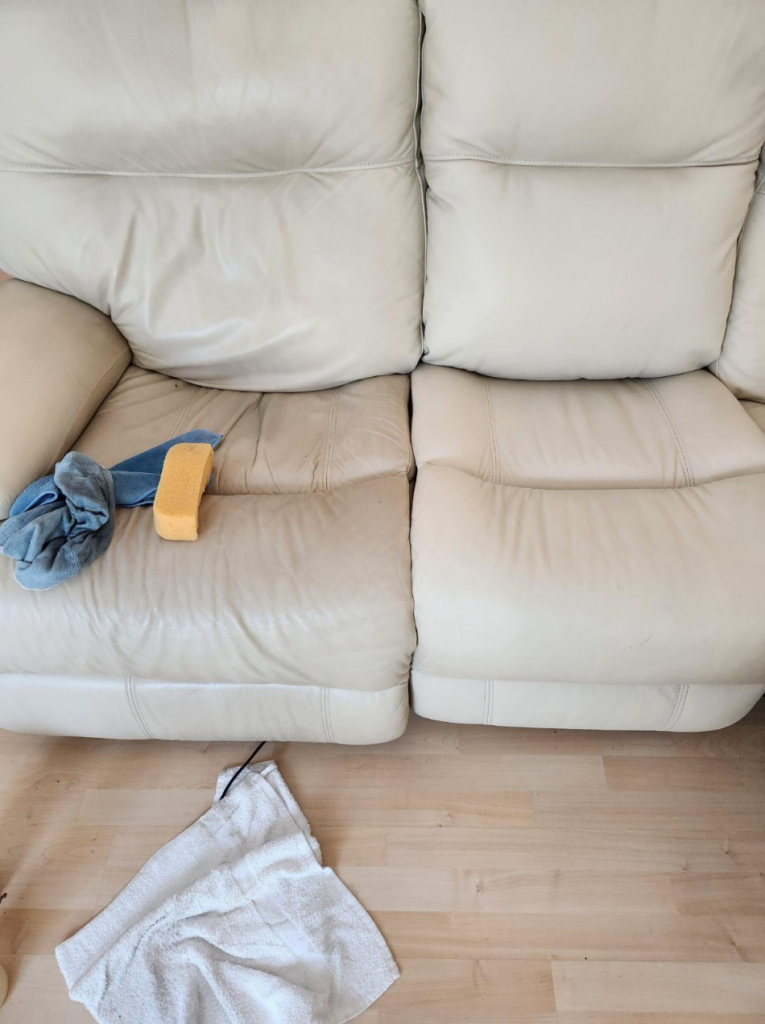
Homeowners seeking sofa cleaning in Tarpon Springs often deal with sand, sunscreen residue, and pet hair from outdoor living. Homes may involve salt air exposure and frequent entertaining. Proper steam techniques address these local challenges without risking moisture issues.
How Often Furniture Should Be Cleaned
The ideal cleaning schedule depends on lifestyle. A general guideline is every 12 to 18 months for most homes.
More frequent cleaning may be needed if:
- Pets share furniture
- Children use sofas daily
- Allergies are a concern
- Furniture sees heavy use
Regular maintenance prevents heavy buildup and keeps cleaning more effective over time.
Choosing Professional Upholstery Cleaning Over DIY
Rental machines and store-bought cleaners can seem convenient, but they often lack proper suction and fabric knowledge. DIY attempts can lead to over-wetting, residue buildup, or color damage.
Professional services offer:
- Fabric identification and testing
- Commercial-grade extraction
- Proper stain and odor treatment
- Faster drying and better results
This expertise reduces risk and delivers a deeper clean.
The Comfort Factor of Clean Furniture
Clean upholstery is not just about looks. It affects how furniture feels and how a room smells. Soft, fresh fabrics make living spaces more inviting and comfortable.
After steam cleaning, many homeowners notice:
- Less sneezing or itching
- Improved air freshness
- A renewed sense of cleanliness
It is a simple way to refresh your home without replacing furniture.
What Sets Quality Upholstery Cleaning Apart
Quality service focuses on technique, not speed. It involves careful inspection, proper method selection, and attention to detail.
A thorough approach includes:
- Pre-vacuuming
- Correct solution choice
- Balanced moisture control
- Strong extraction
These steps work together to deliver safe, effective results.
Bringing It All Together for Healthier Furniture
Steam-based upholstery care is about balance. Heat, moisture, and extraction must work together. When done properly, furniture looks better, smells fresher, and dries quickly.
Understanding fabric safety, cleaning methods, and realistic expectations helps homeowners make informed decisions. Clean furniture supports comfort, health, and long-term value in any home.
Ready to Refresh Your Furniture?
For homeowners looking for Steam furniture cleaning, furniture cleaning in Clearwater, or sofa cleaning in Tarpon Springs, Steambrite Cleaning Services delivers careful, professional results you can see and feel. Contact us and learn more about us.
Frequently Asked Questions (FAQs)
- Why doesn’t regular mopping keep tile and grout clean?
Grout is porous, so dirt and moisture settle below the surface. Mopping only cleans the top layer and often leaves residue behind.
- What happens during professional tile and grout cleaning?
The process includes pre-spraying, scrubbing, optional rotary cleaning, and steam extraction for deep, thorough results.
- Will professional cleaning improve how my floors look?
Yes. Grout looks brighter, tile colors appear sharper, and floors often look close to new again.
- Is rotary scrubbing always required?
No. It’s used only for heavy buildup or floors that haven’t been professionally cleaned before.
- How long does drying take after cleaning?
Floors usually dry within a few hours and are safe for light foot traffic.
- How often should tile and grout be cleaned?
Most homes need professional cleaning every 12–18 months. High-traffic homes may need it more often.
- What are the benefits of professional tile and grout cleaning?
It improves appearance, removes deep dirt and bacteria, protects floors, and makes regular cleaning easier.
