


Carpet stains never arrive at a convenient moment. A tipped glass of wine, a morning coffee accident or muddy footprints can leave a mark that looks permanent. How a spill is handled in the first few minutes often decides whether it becomes a stain, and the right treatment depends on what the stain is made of.
This guide covers what to do first, the most common stains and how professionals treat each one, and why some DIY attempts make things worse.
What to Do in the First Few Minutes
- Act immediately. Fresh stains respond far better than set ones.
- Blot, don’t rub. Press a clean, soft cloth or towel into the spill. Rubbing spreads the stain and pushes it into the fibres.
- Avoid soaking the area. Too much water can reach the padding, which leads to odours and slow drying.
- Know the stain. Coffee, ink, grease, pet accidents and blood each need a different approach.
- Test first. If you use any cleaner, try it on a hidden patch before treating the stain.
- Call a professional for stubborn, old or unknown stains. A wrong first attempt can make a stain harder to remove later.
Common Carpet Stains and How Professionals Treat Them
Mud and dirt
Mud brings soil, moisture and fine particles that bond with the fibres as they dry. Scrubbing wet mud spreads it deeper. Professionals let dried soil break apart, apply a pre-spray to loosen embedded particles, agitate gently and then extract it all, restoring the carpet’s texture.
Coffee
Coffee contains tannins and oils. DIY attempts often fix only one, so carpet looks clean and then discolours again. Professionals use solutions suited to both components, then flush the area with extraction to remove residue and odour.
Pet stains
Pet accidents involve a visible mark and a smell, and can reach the padding. Even if the mark disappears, the odour can stay and draw pets back to the spot. Professionals locate affected areas, including hidden ones, use enzyme-based cleaners to break down organic matter instead of masking the smell, and extract the residue and moisture.
Grease and oil
Oil resists water-based cleaners. A sticky residue left behind attracts more dirt. Professionals use solvent-based solutions designed to break down grease without harming fibres, then extract the residue.
Ink
Ink spreads easily and scrubbing pushes it deeper. Professionals use specialised solvents in controlled amounts and extract the dissolved ink so it doesn’t spread to surrounding carpet.
Gum
Gum sticks and smears if you pull or scrub it. Technicians use a freezing technique to make it brittle, break it away carefully and then clean the area to remove sticky residue that would otherwise attract soil.
Blood
Blood contains proteins that bind strongly to fibres, especially with heat. Warm water can set the stain, so a cold-water approach with an enzyme cleaner is used to break the proteins down before extraction.
Food spills
Food stains mix oils, sugars and dyes, and one product rarely handles them all. Technicians treat each layer and then extract the carpet to remove the residue.
How the Professional Process Works
- Inspection. We check the type of stain, how deep it has gone and the condition of the carpet, so the treatment suits the fibre.
- Pre-treatment. A solution chosen for the stain is applied and given time to work.
- Controlled agitation. Loosens debris from the fibres so the solution can work more effectively.
- High-powered extraction. Removes both the stain and the cleaning solution, so the carpet is left clean and residue-free instead of just looking better on the surface.
What Results to Expect
Many stains improve dramatically. But some lighten without disappearing completely, especially old stains, stains that have permanently affected the dye, fibre damage and areas treated earlier with the wrong product. We aim for the best possible result without damaging your carpet, and we’ll tell you what to expect before we start.
Drying Time
Carpets typically dry within 6 to 8 hours, depending on airflow, humidity, carpet thickness and how soiled it was. To help it dry:
- Turn on ceiling fans or set a fan in the room
- Keep the air conditioning running in humid weather
- Avoid walking on damp carpet in outdoor shoes
- Keep pets off until fully dry
Odour Treatment and Fabric Protector
Two add-ons can help in the right homes. Odours live in residues trapped in the fibres, so after extraction an odour treatment can help neutralise what remains in homes with pets, spills or lingering smells. A fabric protector helps resist spills and slows the way soil bonds to fibres. It doesn’t make carpet stain-proof, but it buys time to blot a spill before it sets.
Preventing Future Stains
- Blot spills immediately and avoid harsh scrubbing.
- Vacuum high-traffic areas regularly and use entry mats.
- Move furniture occasionally to spread wear. Normal wear still occurs, and cleaning can slow matting but won’t prevent it.
- Schedule professional cleaning every 6 to 12 months, depending on use. See our carpet cleaning frequency guide.
Wondering whether to try it yourself first? Read DIY vs professional carpet cleaning.
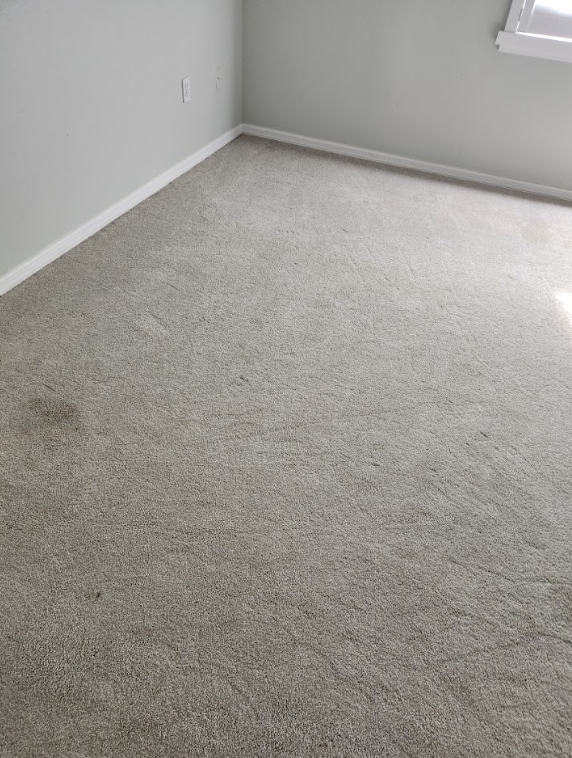
When to Schedule Professional Cleaning
Visible stains, darkened traffic lanes, persistent odours or carpet that looks tired despite regular vacuuming all suggest it’s time. Homes with pets, children or frequent visitors may need it more often.
Where We Serve
Steambrite Cleaning Services provides carpet cleaning and stain removal across Clearwater, Palm Harbor, New Port Richey, St. Petersburg, Tarpon Springs and nearby areas . See our Clearwater page or all service locations. We also clean upholstery and tile and grout.
Frequently Asked Questions
How quickly should I address a carpet stain?
Immediately. Fresh stains respond better and need less intensive treatment. Blot, don’t rub.
Can all carpet stains be removed?
Many can be removed or greatly reduced, but old stains, dye damage and fibre damage may leave slight discolouration.
Should I use hot or cold water on a stain?
Cold water is safer for protein-based stains such as blood, because warm water can set them. If you are unsure, blot and call a professional rather than guessing.
Do professionals remove pet odours?
Professionals use enzyme-based cleaners and extraction to target the source of the odour, including in padding where possible. Severe or old contamination can be harder to resolve.
How long does carpet take to dry after cleaning?
Typically 6 to 8 hours, depending on ventilation, humidity and carpet thickness.
Will professional cleaning damage my carpet?
Not when the method suits the fibre. Technicians check the carpet first and adjust solutions and water use for it.
How often should I schedule professional cleaning?
Every 6 to 12 months for many homes, depending on use and foot traffic. Pet homes may need it more often.
