


You vacuum, you mop, and everything looks spotless. Still, your home never feels quite as fresh as you expect. The reason is simple. What you see on the surface is only part of the story. A Professional floor cleaning service goes far beyond what regular tools can reach, especially when homeowners rely only on basic upkeep or even local carpet cleaners in Palm Harbor FL, for quick touchups instead of deep extraction.
Floors act like giant filters. Every day they collect dust, pollen, pet dander, food crumbs, body oils, and outdoor soil tracked in on shoes. Much of this debris sinks below the surface where normal cleaning cannot reach. That hidden buildup affects how your floors look, how your home smells, and even the air you breathe.
Let’s break down why floors that look clean can still be packed with dirt and how professional steam cleaning pulls out what you never knew was there.
The Illusion of Clean Floors
Most people judge cleanliness by appearance. If there are no visible stains or crumbs, the job feels done. The problem is that many flooring materials are designed to hide dirt.
Carpet fibers bend and trap particles deep near the backing. Tile grout lines hold grime that blends in with their natural color. Vinyl and wood floors develop thin layers of sticky residue that attract more dirt over time. Even when the surface shines, layers of soil may be building up underneath.
Lighting also plays tricks on the eye. Dust and fine particles are often too small to see unless light hits them at the right angle. By the time dirt becomes obvious, it has usually been there for months.
What Is Actually Hiding in Your Floors
You might be surprised by what professional equipment pulls out of floors that seem clean. Even homes that look tidy can hold layers of soil you would never notice just by looking.
1. Fine Dust and Sand
Tiny particles from outside get tracked in daily. These sharp bits act like sandpaper, grinding into carpet fibers and scratching hard floor finishes. Over time, this wear can make carpets look dull and cause tiny scratches in wood and vinyl. Even small amounts add up fast, especially in entryways and hallways where foot traffic is high. Because these particles are so small, they settle deep and are hard to remove with basic tools.
2. Allergens
Pollen, pet dander, and dust mites settle deep into carpets and fabric surfaces. Regular vacuuming removes some of it, but not all. This buildup can trigger sneezing, itchy eyes, and breathing issues. Soft surfaces act like a storage area for these irritants. Each step across the floor can send them back into the air, where they continue to circulate through your home.
3. Body Oils and Spills
Bare feet leave oils behind. Drinks splash. Food crumbs fall and break down. These substances create sticky spots that grab even more dirt. Over time, these areas darken and feel slightly tacky, even if they do not look stained. In kitchens and dining areas, this type of buildup is very common.
4. Bacteria and Germs
Moisture from spills or humidity can create the perfect place for bacteria to grow, especially in carpet padding and grout lines. These areas stay damp longer than the surface, which allows germs to multiply out of sight.
5. Cleaning Product Residue
Ironically, the products used to clean can leave behind residue. Soap-based cleaners often leave a film that dulls floors and traps dirt. Each time more cleaner is added, the layer gets thicker, making floors attract soil even faster.
All of this adds up over time, even in homes that are cleaned often.
Why Regular Cleaning Is Not Enough
Vacuuming and mopping are important. They handle surface debris and help maintain appearance between deep cleanings. But these methods have limits.
Vacuums
Household vacuums use suction and brushes to pull dirt from the top layer of carpet. Most do not have the power to reach deep into the base of the fibers. They also cannot rinse away sticky residues.
Mops
Traditional mopping spreads water and cleaner across the floor, then pushes it around. Instead of removing grime completely, some of it gets left behind in corners, grout lines, and textured surfaces.
Rental Machines
Store rental machines often lack strong suction. They may leave carpets wet for too long, which can lead to odors or mildew. They also use generic solutions that may not break down heavy soil.
This is where professional steam cleaning makes a big difference.
How Professional Steam Cleaning Works
Steam cleaning, also called hot water extraction, is one of the most effective ways to remove deep soil from many types of flooring.
Here is how the process works.
Step 1: Pre-Inspection
Technicians check the type of flooring, its condition, and any problem areas. This helps them choose the right cleaning method and solutions.
Step 2: Pre-Treatment
A special cleaning solution is applied to break down oils, dirt, and stains. This step is key because it loosens the soil stuck to fibers and surfaces.
Step 3: Agitation
In some cases, a brush or machine gently works the solution into the surface. This helps release embedded debris.
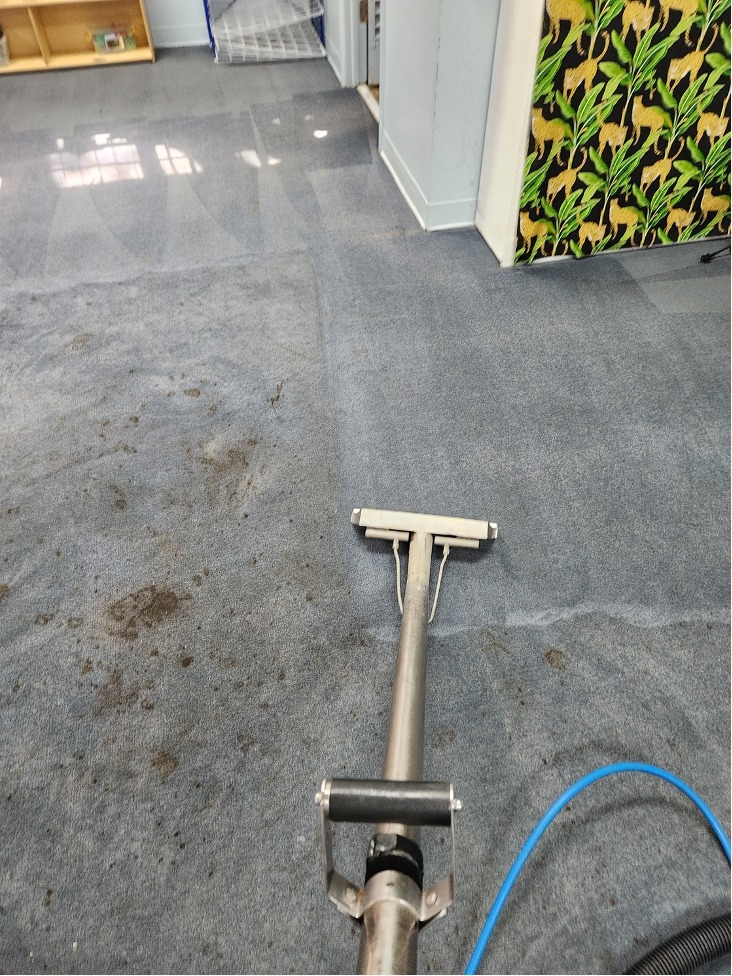
Step 4: Hot Water Extraction
High-temperature water is injected deep into the material. At the same time, powerful suction pulls the water back out, along with dirt, allergens, and residues.
Step 5: Grooming and Drying
Carpets may be groomed to help fibers dry evenly. Air movers can speed up the drying process.
This combination of heat, cleaning agents, and strong extraction removes what normal cleaning leaves behind.
Carpet: Clean on Top, Dirty Below
Carpet is one of the biggest traps for hidden soil.
What Happens Inside Carpet Fibers
Each step you take pushes dirt deeper into the pile. Over time, this soil builds up near the backing, where vacuums cannot easily reach. The carpet may look fine from above, but underneath it can hold pounds of dirt.
Odors That Will Not Go Away
When spills soak into the padding, they can cause lingering smells. Surface cleaning will not remove what has soaked below.
Allergens in Carpet
Carpet can hold large amounts of allergens. Deep steam cleaning flushes out many of these particles, helping improve indoor air quality.
Homeowners who schedule carpet cleaning in St. Petersburg, FL often notice that rooms feel fresher, not just cleaner. That is because the process removes trapped contaminants, not just surface dust.
Tile and Grout: The Hidden Dirt Magnet
Tile itself can be easy to wipe clean. Grout is a different story.
Why Grout Gets So Dirty
Grout is porous. It absorbs spills, dirt, and moisture. Over time, it darkens as grime builds up inside.
Mopping usually cleans the tile surface but pushes dirty water into the grout lines. That is why grout can look darker even when you clean often.
Steam Cleaning for Tile
Professional steam equipment uses high heat and pressure to break up dirt in grout lines. Strong suction then removes the loosened grime instead of spreading it around.
Many homeowners who book tile cleaning in Palm Harbor are shocked by the color difference after cleaning. Grout that looked permanently stained often turns out to be just deeply soiled.
Vinyl Floors: The Film You Cannot See
Vinyl floors are popular because they are durable and easy to maintain. Still, they can hide layers of buildup.
The Problem with Residue
Many vinyl floor cleaners leave a thin film. Over time, this film traps dirt and causes the floor to look dull. Even when you mop regularly, you may just be adding more layers.
How Steam Cleaning Helps
Professional cleaning removes old residue and embedded soil. This restores the natural look of the floor without leaving behind sticky films.
After deep cleaning, vinyl floors often feel smoother underfoot and look brighter without extra shine products.
Wood Floors: Dirt Between the Boards
Wood floors are beautiful but need careful care.
Where Dirt Hides
Dust and grit settle in tiny gaps between boards and in small scratches in the finish. Mopping may not reach these areas and too much water can damage wood.
Controlled Steam and Extraction
Professionals use low-moisture methods and special tools to clean wood safely. Dirt is lifted from crevices without soaking the floor.
This helps maintain the finish and reduces wear caused by gritty particles.
The Power of Professional Equipment
The main difference between DIY cleaning and professional service is the equipment.
Stronger Suction
Truck-mounted or high-powered portable machines remove more water and dirt than consumer models. Better extraction means cleaner floors and faster drying.
Higher Temperatures
Professional systems heat water to temperatures that break down grease and kill many germs more effectively than warm tap water.
Specialized Tools
Different surfaces need different attachments. From narrow grout tools to wide carpet wands, the right tool ensures deep and even cleaning.
What “Before and After” Really Means
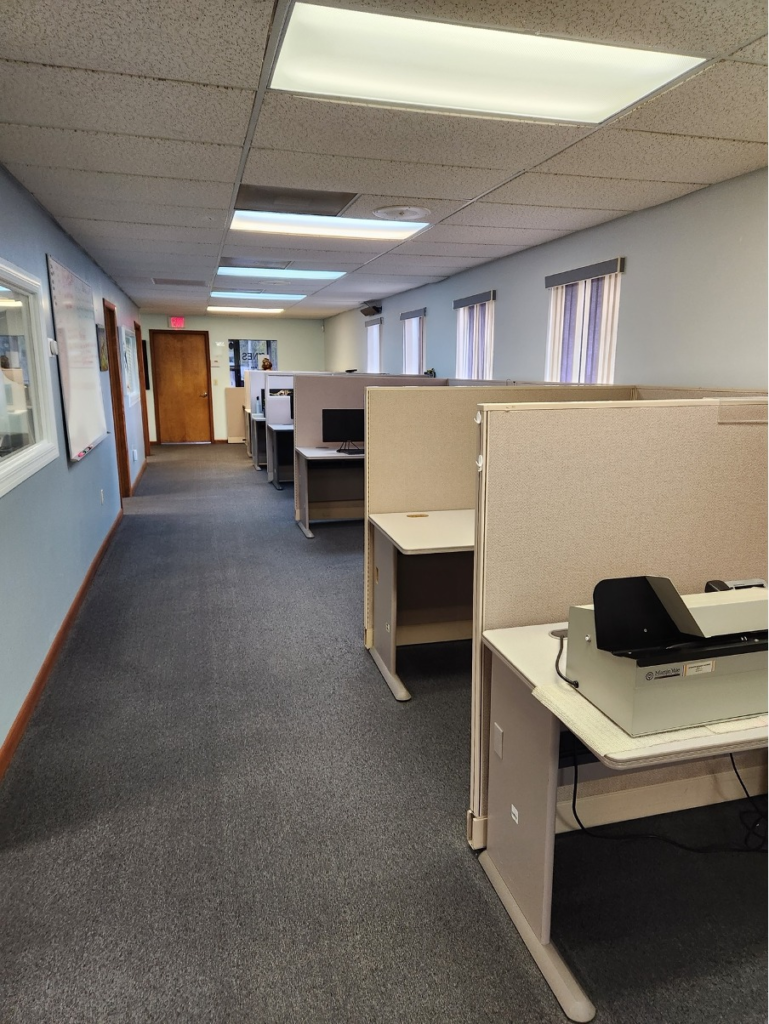
People often think that before and after photos are just about stain removal. The real transformation is deeper.
Before Cleaning
Floors may look okay but feel rough, sticky, or dull. Allergens and odors may be present even if they are not obvious.
After Professional Steam Cleaning
Colors look brighter. Fibers stand up better. Grout lines look lighter. Floors feel smoother and fresher underfoot. Many homeowners also notice fewer odors and a cleaner smell in the whole room.
These changes happen because hidden soil has been removed, not just covered up.
Health Benefits of Deep Floor Cleaning
Clean floors are not just about appearance.
Better Indoor Air
When carpets and rugs are full of dust and allergens, walking on them sends particles into the air. Deep cleaning removes much of this material at the source.
Fewer Irritants
Pet dander and pollen trapped in flooring can affect sensitive people. Steam cleaning helps reduce these triggers.
A Fresher Home
Removing bacteria, old spills, and residues helps eliminate odors that regular cleaning cannot fix.
How Often Should Floors Be Professionally Cleaned
Frequency depends on lifestyle.
- Homes with pets or kids may need deep cleaning every 6 to 12 months.
- Low-traffic homes may go longer, but yearly cleaning is still a good idea.
- High-traffic areas like hallways and living rooms often need more frequent attention.
Waiting until floors look dirty usually means a lot of soil has already built up.
Signs Your Floors Need Deep Cleaning
Even if everything looks fine, watch for these clues:
- Carpet feels sticky or stiff
- Grout lines look darker than before
- Floors lose their shine quickly after mopping
- Rooms have a mild musty smell
- Allergies seem worse indoors
These are signs that dirt and residue are building up below the surface.
Protecting Your Floors After Cleaning
After a deep clean, a few habits help keep floors in good shape.
- Use doormats at entrances
- Remove shoes indoors
- Vacuum carpets regularly with a good filter
- Use the right cleaner for each floor type
- Wipe up spills quickly
These steps slow down soil buildup and help your professional cleaning results last longer.
Why DIY Methods Cannot Match Professional Results
It is tempting to rent a machine or try a new cleaning hack. While these can help with light maintenance, they rarely deliver the same level of deep cleaning.
Professional services combine training, powerful equipment, and the right cleaning solutions. This approach removes soil instead of just moving it around.
That is the key difference between floors that look clean and floors that truly are clean.
A Deeper Clean Makes a Visible Difference
Once hidden dirt is gone, the change is easy to see and feel. Carpets feel softer. Hard floors look brighter. Rooms smell fresher. Many people say their whole home feels cleaner after a deep floor service.
That is the power of removing what you cannot see.
Ready for Floors That Are Truly Clean?
If your home needs a deeper refresh, our Professional floor cleaning service is designed to remove the hidden dirt regular cleaning leaves behind. As trusted carpet cleaners in Palm Harbor FL and experts in tile cleaning in Palm Harbor, Steambrite Cleaning Services uses powerful steam technology to deliver real before and after results you can see and feel. Call us.
Frequently Asked Questions
Why do my floors still feel dirty after regular cleaning?
Basic cleaning only removes surface dirt. Dust, oils, and allergens settle deep where household tools cannot reach.
What kind of dirt hides under clean-looking floors?
Floors trap fine dust, sand, pet dander, pollen, bacteria, and cleaning residue that are often invisible.
Can vacuuming remove deep carpet dirt?
Vacuuming helps on the surface but cannot pull dirt from deep carpet fibers or remove sticky buildup.
Why does grout stay dark even after mopping?
Grout is porous and absorbs dirt. Mopping often pushes dirty water into grout lines instead of removing it.
What is professional steam cleaning?
It uses hot water, cleaning solutions, and strong suction to remove deep dirt, allergens, and residue.
Is steam cleaning safe for all floor types?
Yes. Professionals adjust tools and moisture levels for carpet, tile, vinyl, and wood floors.
How does steam cleaning improve indoor air quality?
It removes allergens trapped in flooring, reducing the particles released into the air.
How often should floors be professionally cleaned?
Every 6 to 12 months for most homes. High-traffic or pet homes may need more frequent service.
What are signs my floors need deep cleaning?
Sticky carpet, dark grout, dull floors, lingering odors, or worsening indoor allergies.
Are DIY or rental machines effective?
They offer light cleaning but usually lack heat and suction, often leaving residue behind.
Does professional cleaning remove odors?
Yes. It removes odor-causing bacteria and buildup trapped below the surface.
How can I maintain clean floors after service?
Use mats, remove shoes, vacuum regularly, clean spills quickly, and use proper cleaners.
