


Carpet adds comfort, warmth and softness to a home, but it also handles a lot of daily wear. Shoes, pets, spills, dust, sand and crumbs all leave something behind. Even when carpet looks clean on the surface, dirt can be trapped deep in the fibres.
Over time that hidden buildup makes carpet look dull, feel flat and wear out faster. This guide explains how wear happens, what professional carpet cleaning does about it, how often to schedule it, and what you can do between visits.
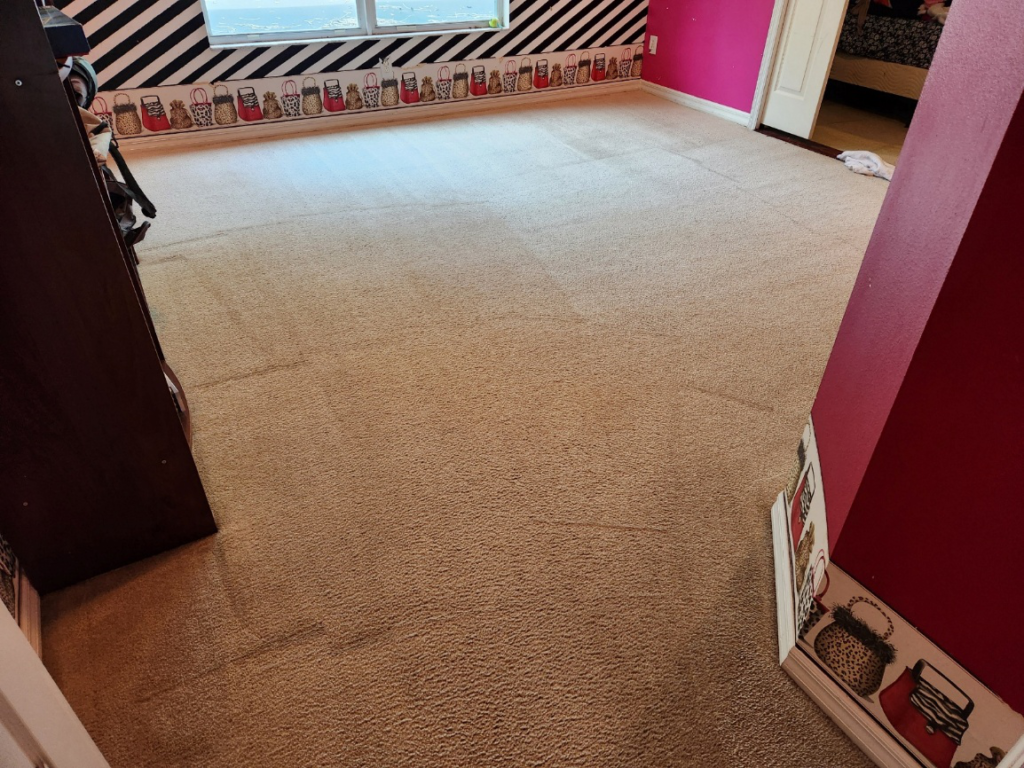
Why Carpet Wears Down Over Time
Carpet fibres are made for regular use, but they break down faster when dirt and grit stay trapped inside. Fine particles from shoes, pets and outdoor traffic settle deep in the pile, and each step grinds them against the fibres like sandpaper. That friction can cause:
- Flattened carpet and dull-looking areas
- Dark traffic lanes
- Fibre damage
- Stubborn odours
- A shorter carpet lifespan
Vacuuming removes loose surface debris, but it can’t always reach what’s packed in below. Without regular care, dirt, stains and odours build up and carpet wears out prematurely.
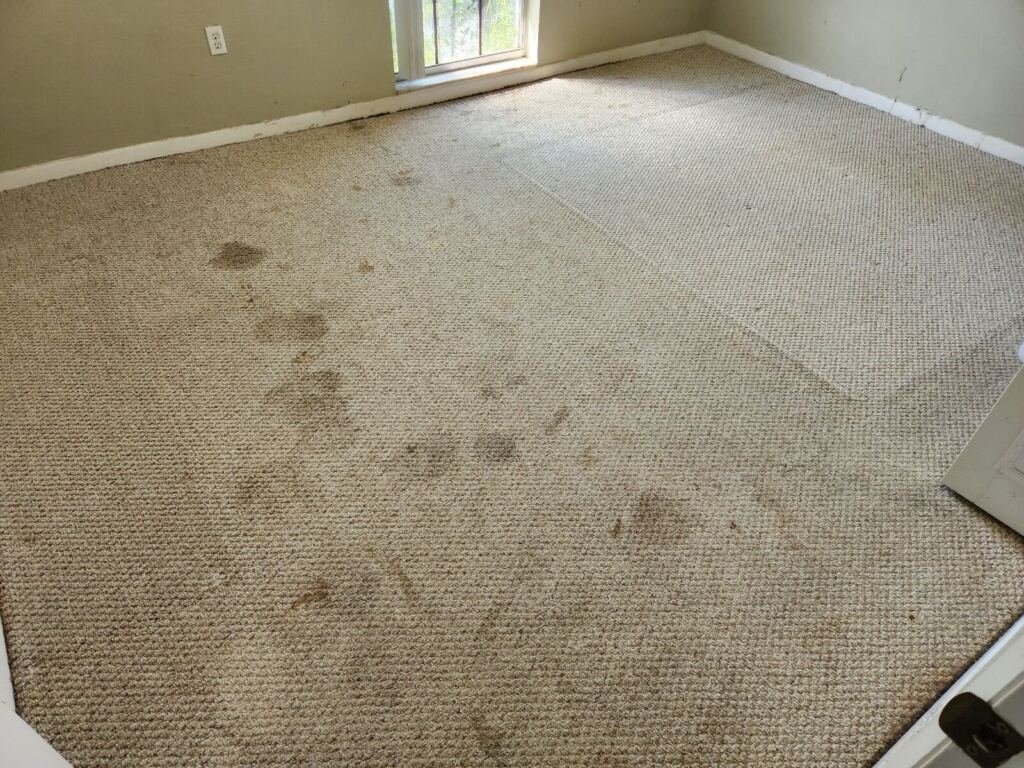
How Steam Cleaning Protects Carpet Fibres
Steam cleaning, also called hot water extraction, uses heat, a cleaning solution and strong suction to loosen soil and pull it out of the carpet. Unlike a quick surface clean, it targets the dirt that sits at the base of the fibres. In practice it:
- Loosens embedded soil and removes residue from old spills
- Extracts dirt instead of spreading it around
- Refreshes the fibres, so carpet looks cleaner and feels softer
- Reduces odour-causing buildup
By removing abrasive grit, steam cleaning helps reduce the wear that makes carpet age before its time. It also removes the sticky film that many store-bought cleaners and carpet powders leave behind, which otherwise attracts more dirt.
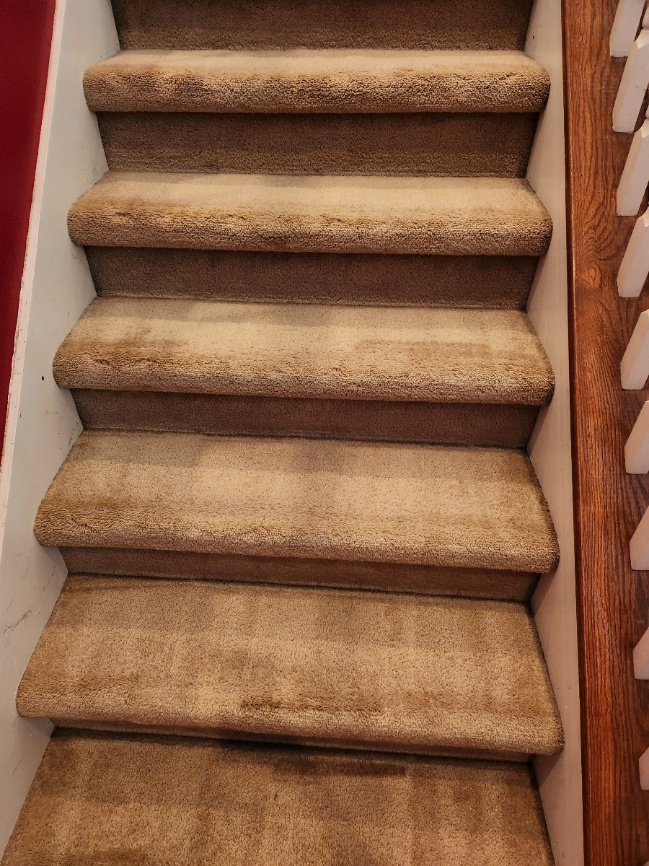
Traffic lanes need deeper cleaning
Hallways, stairs, entryways and the paths between rooms collect the most soil and pressure. These lanes look darker because soil, oils and debris are packed into the fibres. Left alone, they get harder to clean and can start to look permanently worn. Professional cleaning loosens that compacted dirt and helps the carpet look more even.
Stains, allergens and odours
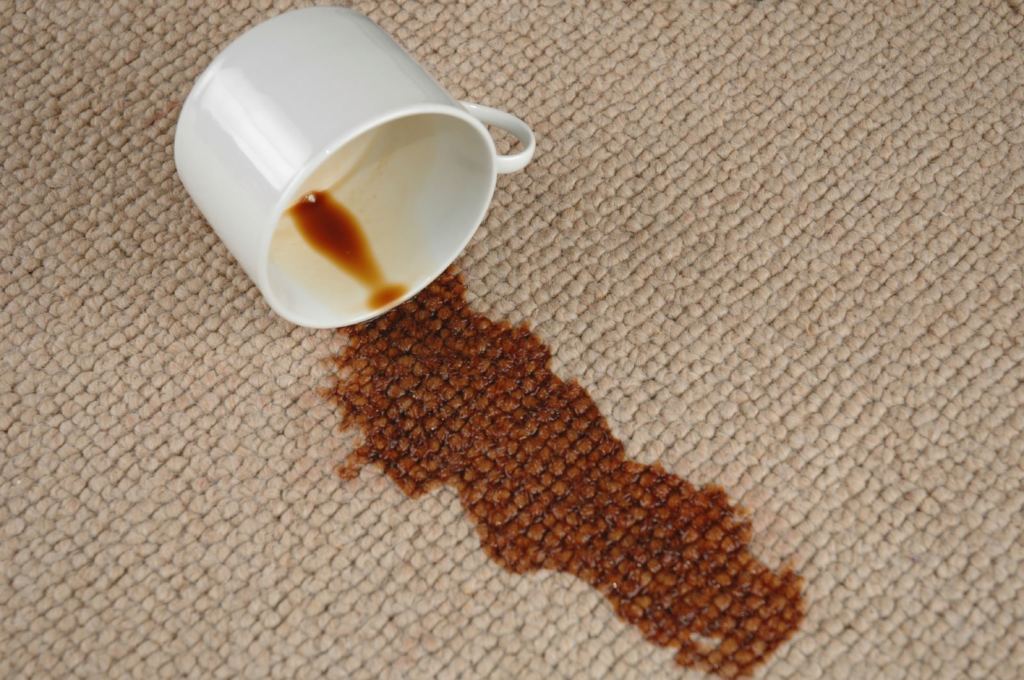
Stains. Coffee, juice, mud, grease and pet accidents settle into fibres quickly, and the wrong product can leave residue that attracts even more dirt. Every stain is different, but professional cleaning can often improve the look of stained areas. The sooner a stain is treated, the easier it is. For a closer look at specific stains, see our guide to common carpet stains and how professionals remove them.
Allergens and dust. Carpet can hold dust, pollen and pet dander. Sitting, walking or playing on it can stir those particles back up. Extraction removes fine debris from deep in the pile, which helps households with pets, children or allergies.
Odours. Smells usually start below the surface, from spills, pets, moisture or ground-in dirt. Sprays and powders can cover an odour for a while without removing its source, and some leave residue that adds to buildup. Cleaning that removes the debris causing the smell works better than masking it.
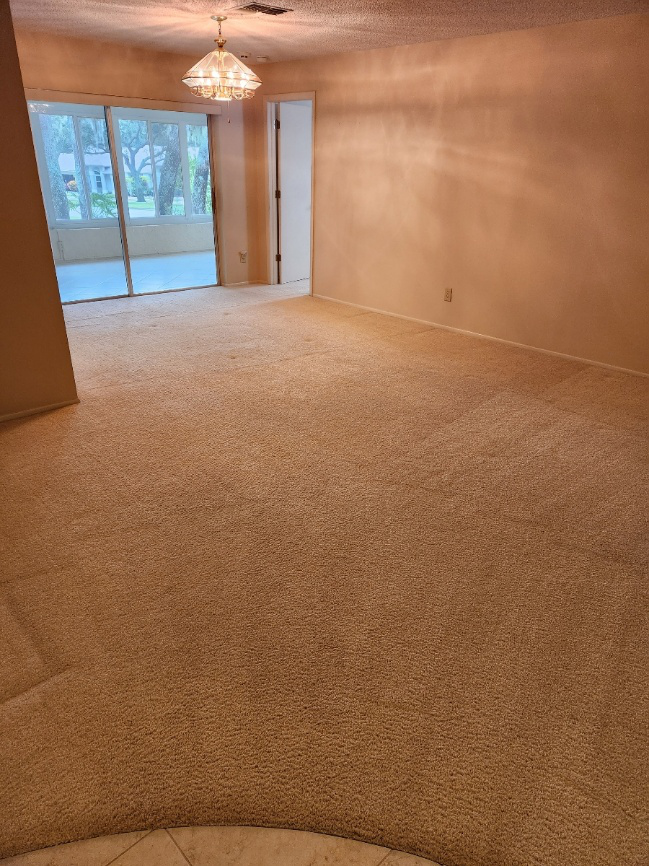
Cleaning Methods: Why Steam Is Usually the Deep-Clean Choice
Carpet can be cleaned in several ways, and the right one depends on the carpet and how dirty it is:
- Steam (hot water extraction): the most thorough option and well suited to homes with heavy foot traffic. It loosens grime and extracts it, using minimal chemicals.
- Dry cleaning (encapsulation or dry powder): uses very little moisture, so carpet is usable almost immediately. Good for carpets that can’t take a soaking.
- Foam cleaning: a small amount of water and cleaning agent, agitated and later vacuumed up. Suits routine maintenance and lightly soiled carpet.
- Bonnet cleaning: a spinning pad cleans the surface. Often used on low-pile commercial carpet; it may not reach deeply embedded stains.
A good technician inspects the carpet first, treats trouble spots, chooses the method that suits the fibre, and finishes with proper drying to help prevent mould and mildew.
Professional Cleaning vs Doing It Yourself
Home cleaners and rental machines can handle light jobs, but most store solutions aren’t strong enough for stubborn stains and ground-in dirt. That leads to heavy scrubbing and over-wetting, which can damage fibres, loosen the backing and create a damp environment where mould and mildew grow. Using a steam cleaner incorrectly can also cause burns, and the wrong settings can shrink a delicate rug.
Professionals use stronger extraction, more controlled moisture and solutions suited to your carpet, so there’s less residue and drying is faster. They also catch the details that are easy to skip, such as edges and spot treatment. Read more in DIY vs professional carpet cleaning.
Consider a Carpet Protector
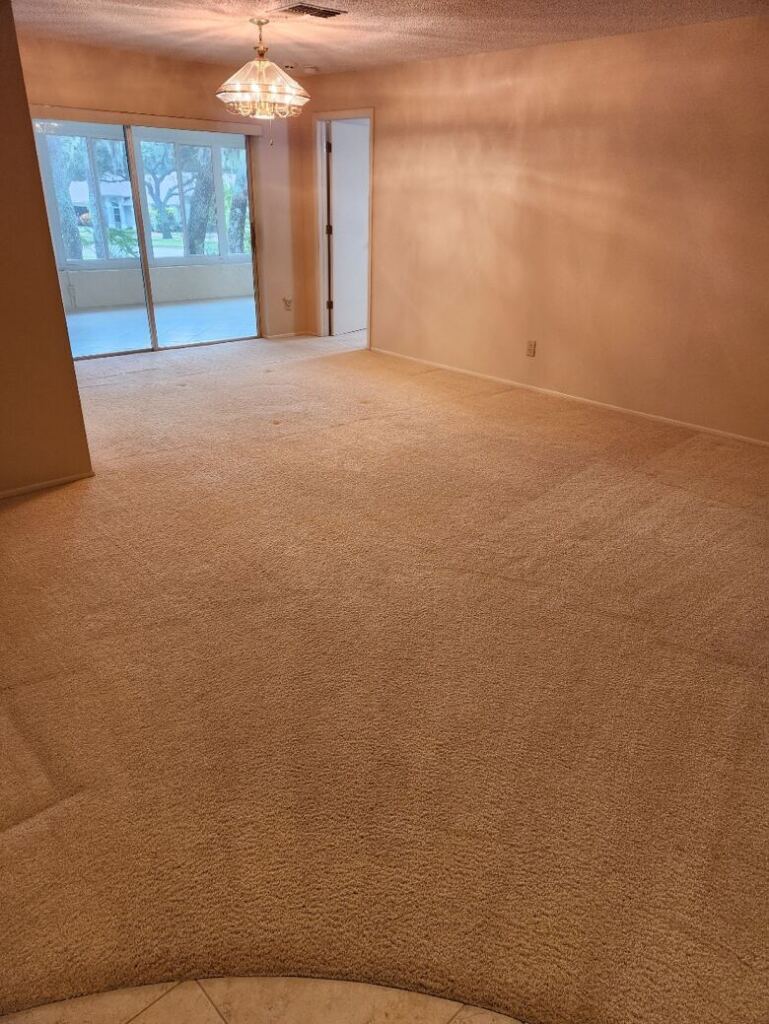
When carpet is professionally cleaned, adding a protectant is worth considering. It adheres to the fibres and helps repel liquids, so spills sit on the surface longer and are easier to blot. Dry soil is easier to vacuum up too, which cuts down on wear, and keeping soil at the surface helps preserve the carpet’s colour. It doesn’t make carpet stain-proof, so it’s still best to clean spills promptly. Ask your technician about it at your next visit.
How Often Should Carpet Be Cleaned?
- Every 6 to 12 months for most homes.
- More often for homes with pets, children or allergies. High-traffic areas may need a visit every 3 to 6 months.
- After major spills or odour problems, and before hosting guests or moving in.
For a full breakdown, see our carpet cleaning frequency guide.
Simple Ways to Protect Carpet Between Cleanings
- Vacuum regularly. Weekly for most areas and two or three times a week in high-traffic areas, slowly and with overlapping passes. Use a vacuum with strong suction and a beater bar or rotating brush (a HEPA filter helps), and don’t forget edges and corners. Empty the bin and replace filters as recommended.
- Use doormats and a no-shoes policy. Footwear brings in most of the grit. Thick mats at every entrance trap dirt and moisture before they reach the carpet.
- Blot spills straight away. Blot with a clean cloth and never rub, because rubbing pushes the stain deeper. Test any product on a hidden spot first and avoid harsh chemicals that can weaken fibres or cause discolouration.
- Rotate furniture and rugs. Moving heavy pieces every few months spreads wear more evenly, and coasters or pads reduce dents.
- Protect high-traffic spots. Runners or non-slip rugs in hallways, stairs and entryways take the wear for you. Clean them regularly too.
- Keep humidity moderate. Around 30% to 50% helps prevent the mould that comes with too much moisture, and the brittle fibres that come with very dry air.
- Groom pets regularly and avoid sticky carpet powders.
Where We Serve
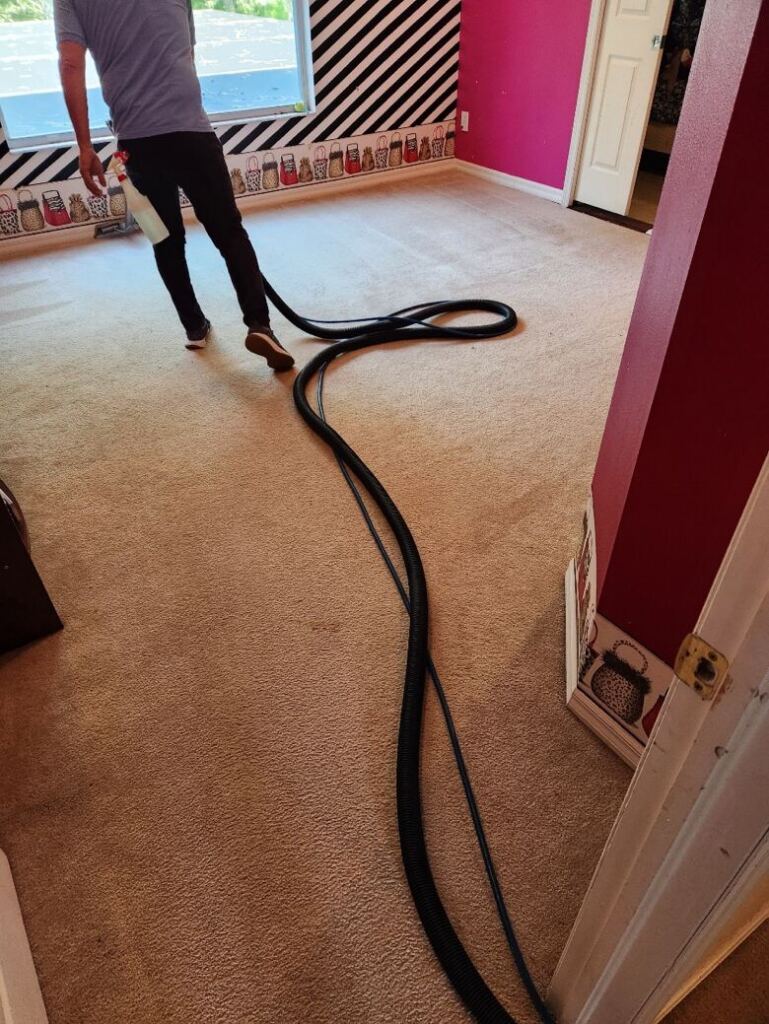
Steambrite Cleaning Services provides carpet, rug, upholstery and tile and grout cleaning in Clearwater, Palm Harbor, Odessa, Oldsmar, Trinity, Tarpon Springs, East Lake and nearby Florida communities . See our Clearwater page or all service locations.
Frequently Asked Questions
Does professional carpet cleaning really make carpet last longer?
It helps. Removing the grit that grinds against the fibres reduces wear, and cleaning keeps traffic lanes, stains and buildup from becoming harder to deal with. It works best alongside regular vacuuming and mats.
How often should I have my carpets professionally cleaned?
Every 6 to 12 months suits most homes. Homes with pets, children or allergies, and high-traffic areas, may need it more often.
Is steam cleaning better than vacuuming?
They do different jobs. Vacuuming removes loose surface debris, while steam cleaning extracts embedded soil, residue and odour-causing buildup from deeper in the pile. Use both.
Is steam cleaning safe for my carpet?
When done correctly, yes. A technician checks the fibre first and controls heat and water. Incorrect DIY use can over-wet carpet or damage delicate fibres.
How long does carpet take to dry?
Drying time depends on ventilation, humidity and carpet thickness. Professional extraction leaves less moisture behind than most DIY machines, so carpet generally dries sooner.
Should I add a carpet protector?
It can help. A protectant gives you more time to blot spills and makes dry soil easier to vacuum, but it does not make carpet stain-proof.
Can I clean stains myself between visits?
Yes, for fresh spills. Blot, never rub, and test any product on a hidden area first. For stubborn or set-in stains, call a professional.
