


Tile floors are a fantastic choice for Trinity homes. They are durable and easy to maintain. But daily wear, spills and foot traffic make keeping them clean a challenge. Without proper care, grime builds up in the grout lines and the tile loses its shine.
This guide gives you practical tips to keep your tile and grout looking fresh between cleanings, and explains when to call in IICRC-certified professionals. If you’re tired of scrubbing without results, Steambrite Cleaning Services can restore your floors with deep tile and grout cleaning.
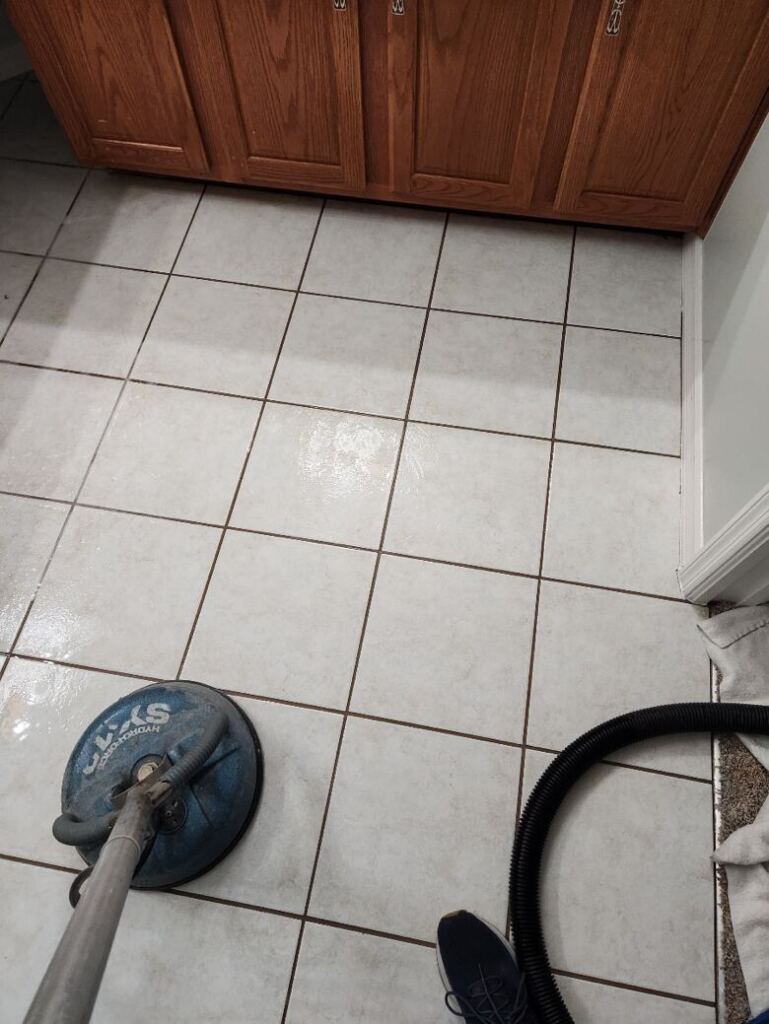
Why Tile and Grout Need Extra Care
Tile is strong and resilient. Grout is not. Grout is porous, so it soaks up dirt, grease, moisture and spills. Everyday messes such as juice, wine and coffee can seep in and discolour it if you don’t deal with them quickly. In busy areas, grout lines trap dust, oils and even cleaning product residue, leaving floors dull and uneven.
That is why tile and grout cleaning isn’t just about looks. It protects your floors from long-term wear, and it keeps your home healthier. Damp grout, especially in bathrooms and kitchens, can harbour mold and mildew, bacteria and odours, which can affect indoor air quality and trigger allergies in some families.
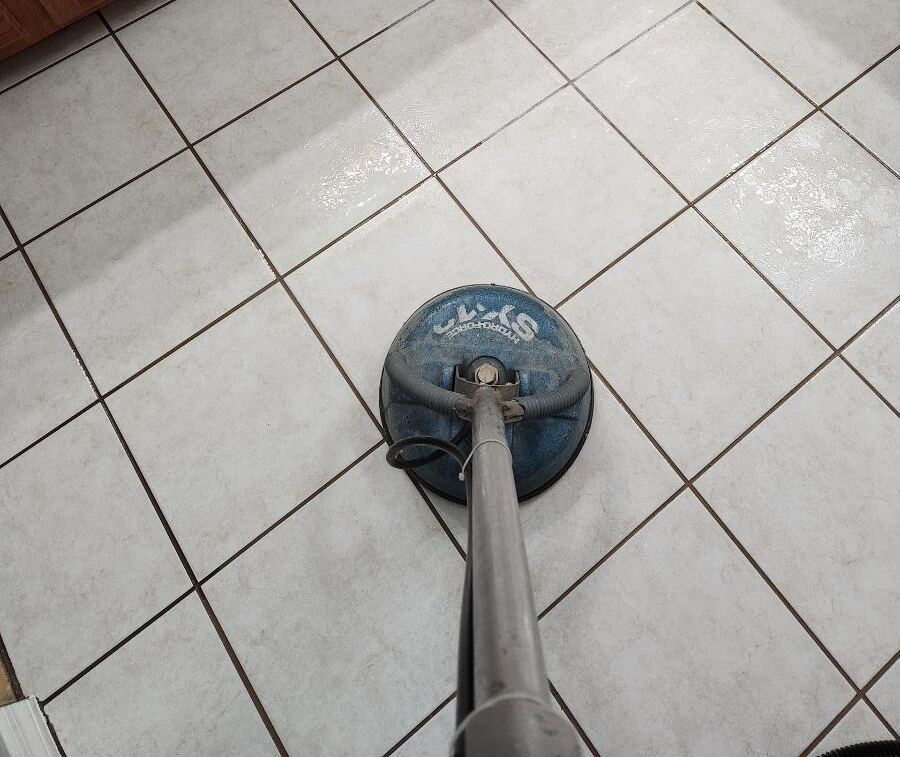
Common Stains on Tile and Grout
| Stain | What causes it | What helps |
|---|---|---|
| Food and drink spills | Sauces, juice, wine, coffee and soft drinks. The pigments sink into grout | Blot (don’t scrub) right away. Old stains often need a professional |
| Grease and oils | Cooking splatter in kitchens | Degreasing cleaner on backsplashes. Regular mopping may not lift it from grout |
| Mud and dirt | Soil, sand and mud tracked in at entryways, especially with kids and pets | Mats at the door and daily sweeping |
| Mold and mildew | Moisture in bathrooms and laundry rooms | Ventilation. Light mildew can be treated with a baking soda paste or hydrogen peroxide (test first) |

Everyday Tile and Grout Care Tips
- Sweep or vacuum regularly. Dirt, dust and pet hair settle into tile and grout and scratch the surface. Use a soft-bristle broom or a vacuum on its hard-floor setting. With kids or pets, sweep more often.
- Mop with the right cleaner. Mop at least weekly with warm water and a pH-neutral tile cleaner. Dry the floor afterwards to prevent water spots, streaks and mold, especially in humid bathrooms.
- Keep grout clean. Scrub grout lines with a soft brush and a baking soda paste. Avoid bleach, which weakens grout over time.
- Clean spills immediately. Use a microfiber cloth or a mop with warm water. For sticky or greasy messes, use a gentle dish soap solution, never an abrasive scrubber.
- Use mats and rugs. Put them in entryways, hallways and kitchens to reduce dirt on your tile. Choose rugs with non-slip backing, and shake them out and wash them regularly.
- Look after bathrooms and kitchens. Wipe down shower tile after use to prevent soap scum, use a degreaser on the backsplash and ventilate bathrooms to limit mold and mildew.
- Seal your grout. A good sealer creates a barrier against moisture and stains and makes future cleaning easier. Reseal about every one to two years, sooner in busy or wet areas.
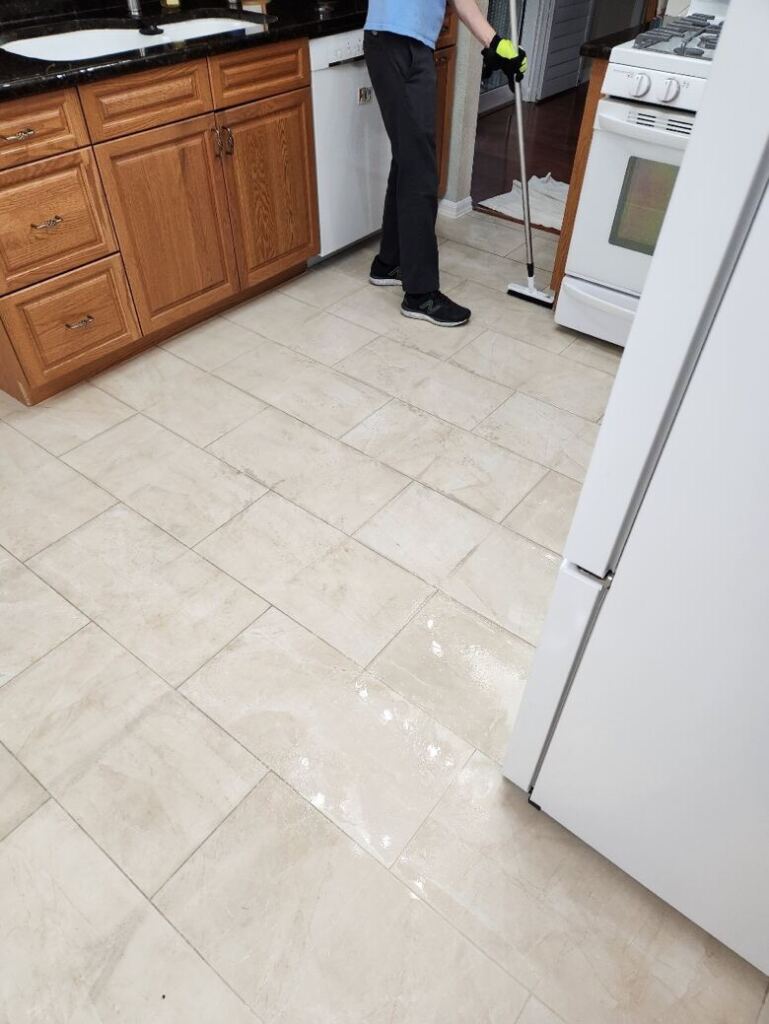
Common Tile Cleaning Mistakes to Avoid
- Using too much water. Excess moisture seeps into grout, causing mold and weakening it over time. Use a damp mop, not a wet one.
- Harsh or acidic chemicals. They strip sealer and tile finishes and cause discolouration. Vinegar and lemon juice can also etch natural stone, so avoid them on marble, granite and other stone.
- Scrubbing too hard. Steel wool, scouring pads and rough brushes scratch tile and wear down grout, making it more porous and more likely to stain. Use soft cloths, sponges or microfiber mops.
Signs You Need Professional Tile and Grout Cleaning
- Grout lines look dark, stained or discoloured
- Tile looks dull, even after cleaning
- Mold or mildew is visible on grout or tile
- Floors feel sticky or slippery
- DIY products no longer work
- You’re getting ready to sell your home
Even with good habits, dirt and bacteria settle into grout over time. Most homes benefit from a professional clean once or twice a year, depending on traffic, pets and children.
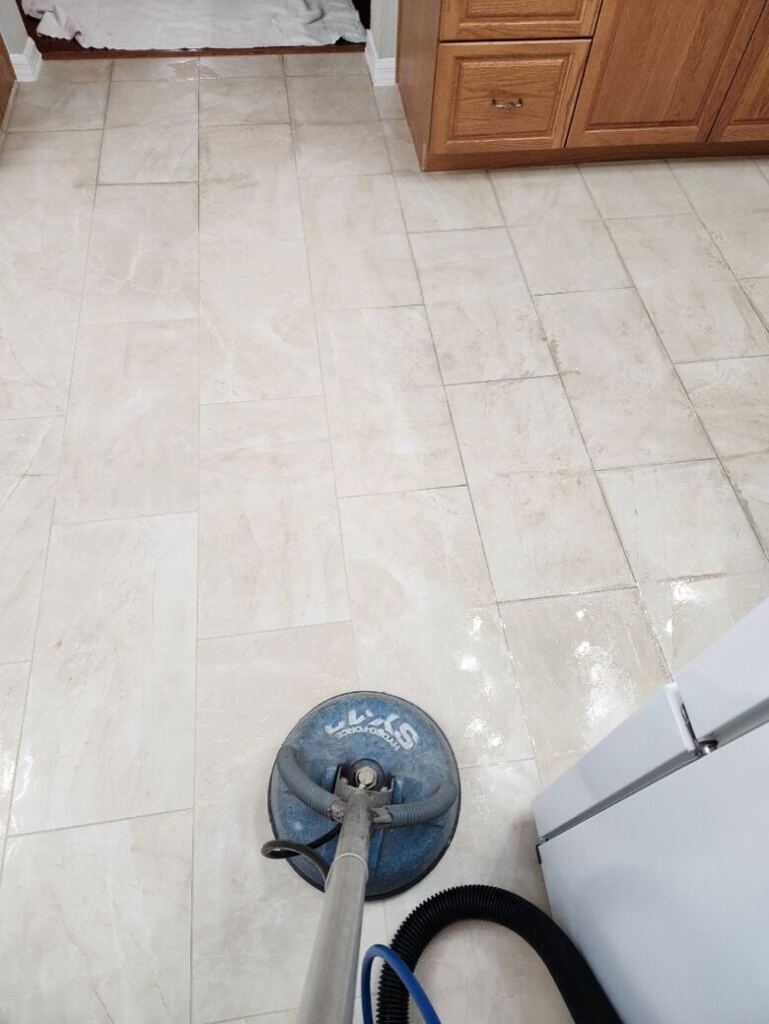
IICRC-Certified Tile and Grout Cleaning in Trinity
The Institute of Inspection, Cleaning and Restoration Certification (IICRC) sets industry standards for cleaning professionals. Certified technicians are trained to identify the type of tile and grout in your home and choose the safest, most effective treatment. They don’t rely on basic scrubbing or harsh chemicals.
A professional service typically includes:
- Inspection. We identify your tile type and grout condition.
- Pre-treatment. A cleaning solution loosens embedded dirt and stains.
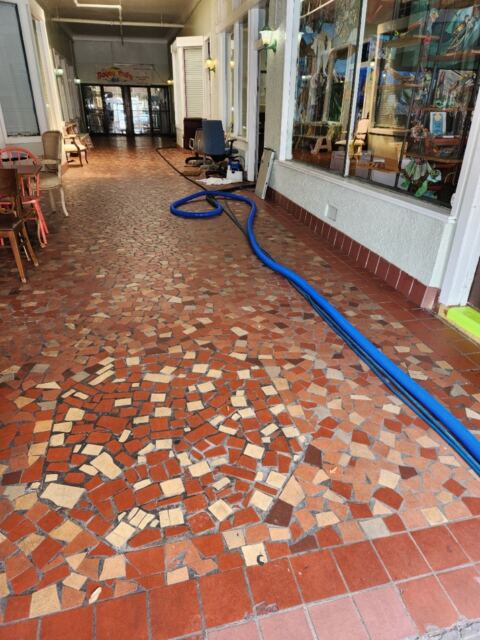
- Hot water extraction and steam. Hot water and cleaning agents are injected into the grout, then powerful suction removes the grime and bacteria, leaving no residue.
- Detailing. Stubborn stains and discoloured grout get extra attention.
- Sealing. A protective sealant goes onto the grout lines to block future stains and extend the life of your floors.
Benefits of Professional Tile Cleaning
- Restored appearance. Tile regains its original colour and shine, and grout lines look new again.
- Better hygiene. Deep cleaning removes bacteria, mold and allergens trapped in grout.
- Longer-lasting floors. Cleaning and sealing prevent the staining, cracking and weakening that dirty, damaged grout causes.
- Higher property value. Buyers notice neglected tile. Clean, well-maintained floors suggest the home is move-in ready, whether you’re selling or staying.
- Time saved. Skip the hours of scrubbing and get results you can’t get with a mop.
- The right solution for every surface. Ceramic, porcelain and natural stone each need their own method.
Professional Cleaning vs. DIY
| Method | Works well for | Watch out for |
|---|---|---|
| Baking soda and water paste | Light stains and routine upkeep on ceramic or porcelain grout | Won’t remove deep buildup |
| Hydrogen peroxide solution | Light mildew on grout | Test a small area first and rinse well |
| Mop and store-bought cleaners | Everyday surface dirt | Can leave residue and push dirt into grout |
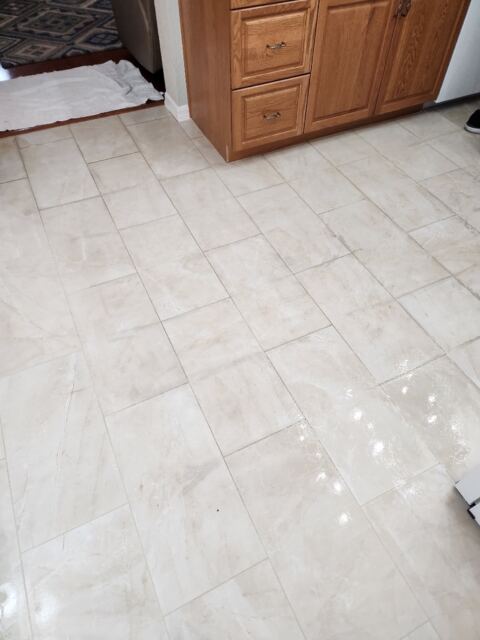
| Professional steam and extraction | Dark grout, set-in stains, mold, whole floors, natural stone | Costs more up front but is deeper, safer and lasts longer |
DIY methods can take hours and sometimes damage tile or grout when done wrong. If you’re curious about steam, read our guide: does steam cleaning damage grout?
Caring for Natural Stone Tile
Marble, granite and other natural stone are porous and need extra care. Use pH-neutral cleaners made for stone, and never vinegar or lemon juice. Stone also needs sealing. Reapply the sealant every one to two years after cleaning. To test it, put a few drops of water on the tile. If the water beads up, the sealant is still working. If it soaks in, it’s time to reseal.
Why Trinity Homeowners Choose Steambrite
- More than 25 years of professional experience
- IICRC-certified technicians
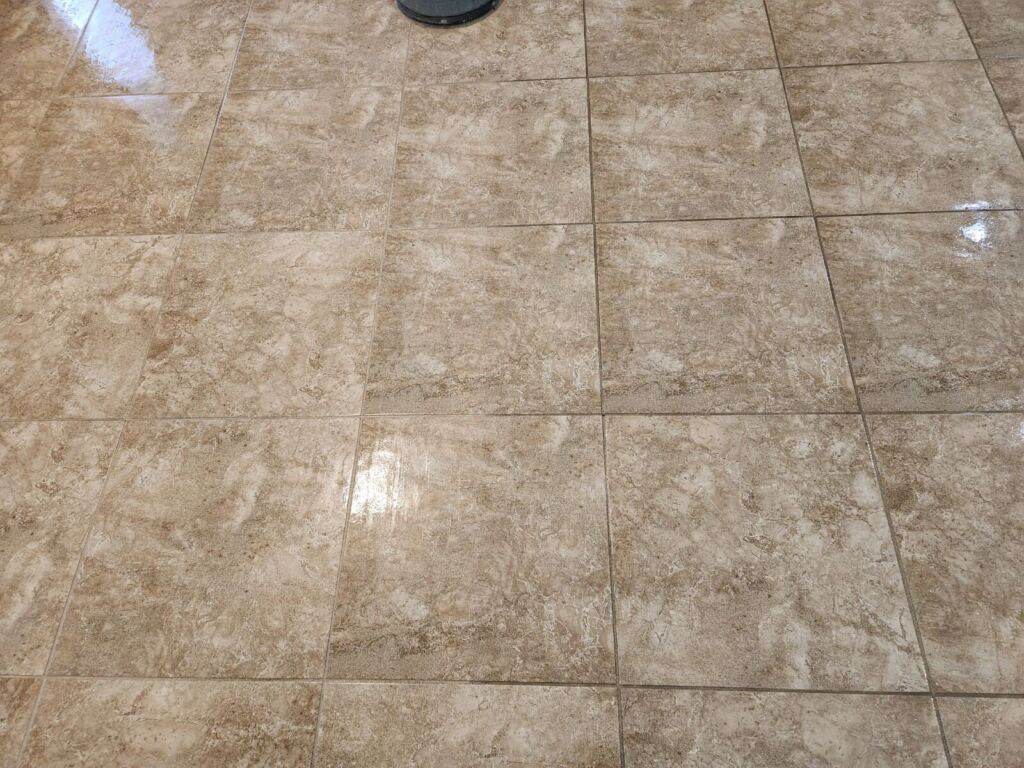
- State-of-the-art steam technology, with eco-friendly solutions
- Tile, grout and stone cleaning for homes and for businesses, with commercial carpet cleaning too
- Free estimates and same-day service
- Serving Trinity, Clearwater, Tarpon Springs, East Lake and Palm Harbor
Our team can also clean your carpets, wool rugs, hardwood floors and furniture and upholstery. See everything we offer on our Trinity cleaning services page, or learn more about our team.
Frequently Asked Questions
How often should tile and grout be professionally cleaned?
Once or twice a year suits most homes. Busy kitchens, entryways, showers and homes with kids or pets may need it more often. If your grout stays dark after scrubbing, it is due.
How often should I seal grout?
About every one to two years, depending on traffic and moisture. Seal after a deep clean, when the grout is clean and dry. Natural stone should also be resealed every one to two years.
What is the best way to clean grout at home?
Use a soft brush and a baking soda and water paste for light stains, then rinse and dry. Avoid bleach, steel wool and hard brushes. Skip vinegar on natural stone.
Why does my grout look dirty even after mopping?
Grout is porous, so dirt, grease and soap residue sit below the surface. Mopping can push dirty water into the grout lines. Hot water extraction and agitation remove what a mop can’t.
Can you clean natural stone tile?
Yes. We identify the stone first and use pH-neutral, stone-safe cleaners, because acids can etch it. We can also advise on sealing.
Is professional cleaning worth it before selling a home?
Often, yes. Spotless tile and grout suggest a well-maintained, move-in-ready home, while stained or discoloured floors can give buyers the opposite impression.
What does IICRC-certified mean?
The IICRC sets industry standards for cleaning and restoration. IICRC-certified technicians are trained to identify tile and grout types and use methods that protect your floors.
