


Your sofa is the centrepiece of your living space. It’s where you relax, entertain and spend time with family, and it quietly collects dust, body oils, pet hair, crumbs and spills along the way. Vacuuming and spot cleaning help, but over time dirt, allergens and stains settle deep into the fabric where household methods can’t reach.
This guide explains how professional sofa cleaning works, which method suits which fabric, how to care for your sofa between visits and what to look for in a cleaner. It also covers local questions from Trinity and nearby areas.
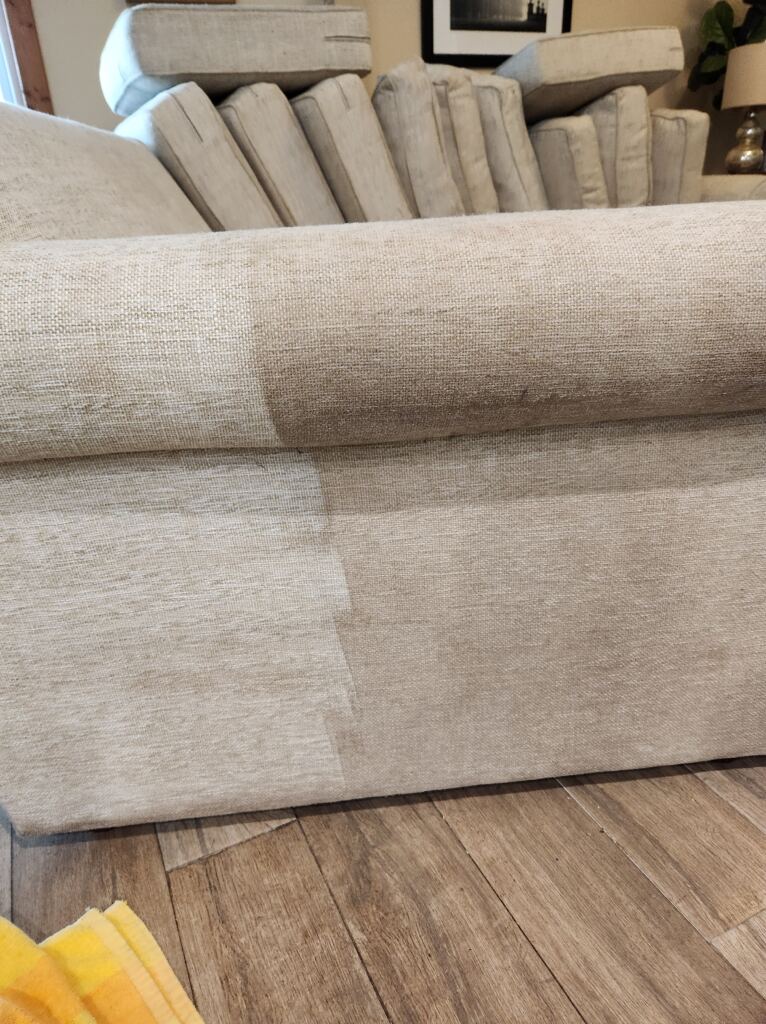
Why Professional Sofa Cleaning?
Regular vacuuming removes loose debris, and blotting spills quickly keeps many stains from setting. What neither does is reach the soil trapped between fibres, in seams and in cushion padding. Professional cleaners use specialised tools and solutions chosen for the fabric to lift that buildup, which can also help reduce dust, pet dander and other allergens that sit in upholstery and contribute to indoor air quality.
Beyond the cleanliness, there are practical gains:
- Longer sofa life. Gritty dust and body oils are abrasive and break fibres down over time. Removing them protects the fabric.
- Better appearance. Cleaning restores colour and texture that dirt has dulled.
- Fresher air in the room. Odours from pets, food and everyday use can be lifted rather than masked.
- Time saved. Cleaning a sofa properly takes effort and the right products. A trained team does it faster and with less risk.
Professional Sofa Cleaning Methods
No single method suits every sofa. A good technician checks the fabric and its cleaning code first, then chooses from approaches like these.
Hot water extraction (steam cleaning)
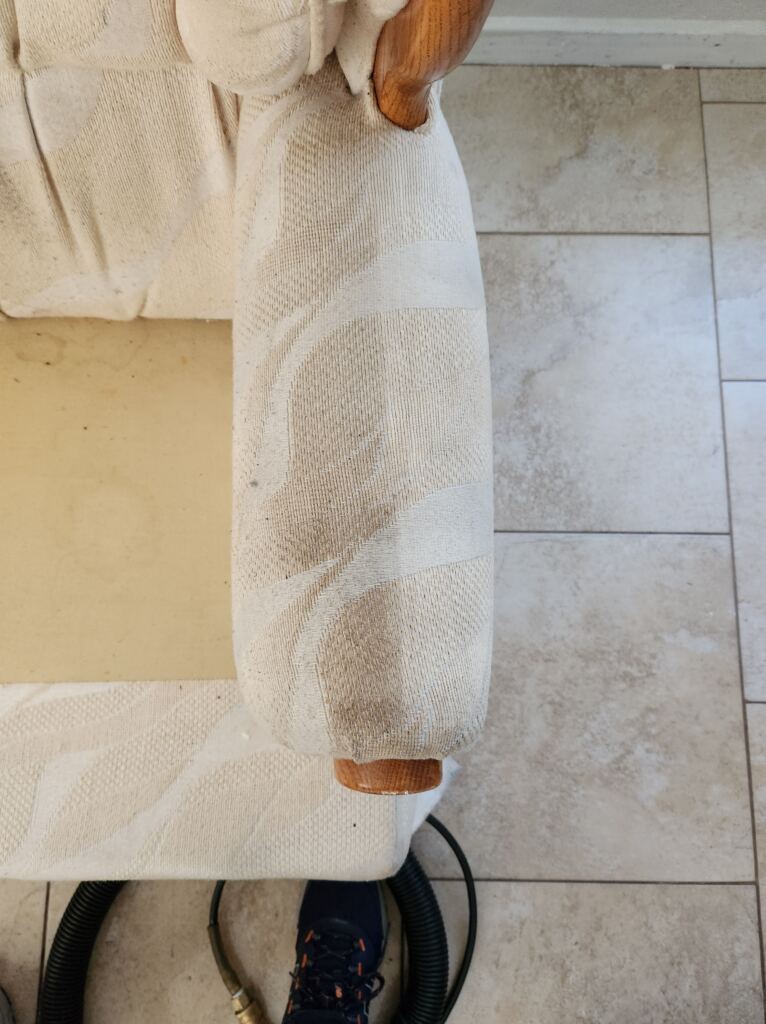
Hot water mixed with a cleaning solution is applied to the fabric to loosen dirt, then extracted along with the soil. It’s highly effective on many fabrics for removing stains and allergens, which makes it a common choice for homes with pets or children. Controlled moisture and proper drying matter, so it isn’t used on every fabric.
Dry cleaning (low-moisture)
This uses a minimal amount of moisture and a cleaning solvent to remove dirt and stains. It suits delicate fabrics that water can damage, and drying time is short, so you can use the sofa again sooner.
Foam cleaning
A cleaning foam is applied to the surface, lifts dirt and stains, and is then vacuumed away. It’s gentle, works for fabrics that can’t take much moisture, and is a good option for spot treatment and routine maintenance.
Shampooing
A traditional method: a sofa shampoo is worked into the fabric and then removed with a vacuum. It can work well on heavily soiled pieces but needs more drying time, so make sure the sofa is completely dry before using it again.
Check the Cleaning Code First
Most upholstered furniture has a care tag, usually on the underside of a cushion or on the base. The code tells you which products are safe:
| Code | What it means |
|---|---|
| W | Water-based cleaners are safe. |
| S | Solvent-based (dry-cleaning) products only. Water can stain or damage the fabric. |
| WS | Either water-based or solvent-based products can be used. |
| X | Vacuum or brush only. No water or solvent. |
If you can’t find a tag, or the manufacturer’s instructions disagree with a product label, follow the manufacturer. Even on a W-coded sofa, never soak the fabric: too much moisture can seep into the padding, stay damp and cause odours or bacteria growth. Use very little cleaner and blot it away before it soaks through.
Caring for Your Sofa Between Professional Cleanings
Simple habits stretch the time between deep cleans.
- Vacuum weekly with the upholstery attachment, including seams, crevices and under the cushions. Do it more often if you have pets.
- Blot spills immediately. Soak up liquid with a clean, dry white cloth by patting, never rubbing. Rubbing pushes the stain deeper into the padding.
- Spot clean gently. For water-safe fabrics (W or WS), a few drops of mild, pH-neutral soap in distilled water on a damp cloth can lift fresh water-based stains. Dab from the outside in, rinse by blotting with a clean damp cloth, then blot dry. Always test on a hidden spot first.
- Skip homemade mixes. DIY solutions can leave residue, discolour fabric or set a stain. If a spot doesn’t lift with plain blotting, leave it for a professional.
- Absorb grease and odours. A light sprinkle of baking soda left for 15 to 20 minutes, then vacuumed up, can help with oily marks and mild odours.
- Rotate and fluff cushions every couple of weeks to prevent sagging and uneven wear.
- Use washable slipcovers or throws on high-use seats, especially with pets or small children.
- Limit direct sunlight. It fades and weakens fabric over time. Use curtains or blinds in the brightest part of the day.
Fabric Matters
Different fabrics need different care. Cotton, linen, microfibre, velvet and synthetics each respond differently to water and solvents, and delicate fabrics such as silk are the least forgiving. Velvet in particular should never be treated with bleach-based products, which can ruin the colour and damage the fibres. This is why a technician identifies the fabric and checks the care tag before choosing a method, and why a hidden-spot test comes first, even for products labelled as safe for all fabrics.

Common Sofa Cleaning Challenges
- Stains. Coffee, wine, juice and pet accidents. Act fast, blot, and test any stain treatment on a hidden area first.
- Dirt and dust. Gradual buildup that makes fabric look dull. Regular vacuuming handles the surface, deep cleaning handles the rest.
- Pet hair and dander. They collect quickly in fabric. Vacuum often and consider a washable cover.
- Allergens. Dust mites and pet dander settle in upholstery. Regular vacuuming plus periodic professional cleaning is one part of keeping your home cleaner, though cleaning alone won’t cure allergies.
- Odours. Smells from pets, food and everyday use can soak into padding and need more than a surface wipe.
How Often Should You Have Your Sofa Professionally Cleaned?
There’s no single schedule. For lightly used sofas, every 12 to 24 months is a sensible interval. If you have pets, young children, allergy sufferers or a sofa that sees heavy daily use, every 6 to 12 months keeps buildup in check. Visible stains, lingering odours or dull, flattened fabric are signs the time has come, whatever the calendar says. Vacuuming weekly and dealing with spills promptly between visits make each professional clean more effective.

How to Choose a Sofa Cleaning Service
- Ask how they decide on a method. A good cleaner checks the fabric and cleaning code first instead of using one approach for everything.
- Check credentials. Look for a licensed, insured company with a good reputation, and ask about any industry certifications.
- Read reviews. Consistent, recent feedback tells you more than a single glowing testimonial.
- Ask for a clear quote. It should list what’s included so there are no surprises.
- Ask about drying. Find out how long the furniture will take to dry and how they avoid over-wetting.
Sofa Cleaning in Trinity and Nearby Areas
Local homes, especially in humid Florida weather, tend to collect dust, pollen and moisture in upholstery, and busy households add pet hair and daily spills. If you’re looking for professional sofa and furniture cleaning in Trinity, see our Trinity services page. We also serve Tarpon Springs, Palm Harbor, Clearwater and East Lake, and you can browse all our service locations.
Our upholstery cleaning service covers sofas, sectionals, chairs and other fabric furniture. If you’re also thinking about floors, we clean carpets and tile too, so you can combine services in one visit.
Frequently Asked Questions
How often should a sofa be professionally cleaned?
For lightly used sofas, every 12 to 24 months is a sensible interval. With pets, children, allergies or heavy use, every 6 to 12 months works better. Visible stains, odours or dull fabric are signs it’s time sooner.
What do the cleaning codes W, S, WS and X mean?
W means water-based cleaners are safe. S means solvent-based products only. WS means either can be used. X means vacuum or brush only, with no water or solvent. Always check the tag before cleaning.
Which professional method is best for my sofa?
It depends on the fabric and its care code. Hot water extraction suits many fabrics, dry or low-moisture cleaning suits delicate or water-sensitive ones, and foam is gentle for fabrics that can’t take much moisture. A technician should check before choosing.
Can I clean my sofa myself?
Yes for upkeep: vacuum weekly, blot spills immediately and spot clean gently after a spot test. For deep-set dirt, odours or stains that don’t lift with blotting, professional cleaning is the safer route.
How long does a sofa take to dry?
It depends on the method and the fabric. Dry cleaning and foam need little drying time, while hot water extraction and shampooing take longer. Ask your technician for an estimate and make sure the sofa is fully dry before using it.
Do you offer sofa cleaning in Trinity?
Yes. We clean sofas and other upholstered furniture in Trinity, Tarpon Springs, Palm Harbor, Clearwater and East Lake. See our locations page or contact us to confirm your area.
