


Rugs are more than decoration. They bring warmth, texture and personality into a home, and they take a lot of punishment in return: foot traffic, spills, pets and everyday dust. Over time that exposure dulls colours and wears down fibres.
The good news is that consistent care makes a real difference. This guide covers what dirt does to rug fibres, how to look after wool and other materials, how often rugs should be cleaned, what to do about spills, and what a professional rug clean involves.
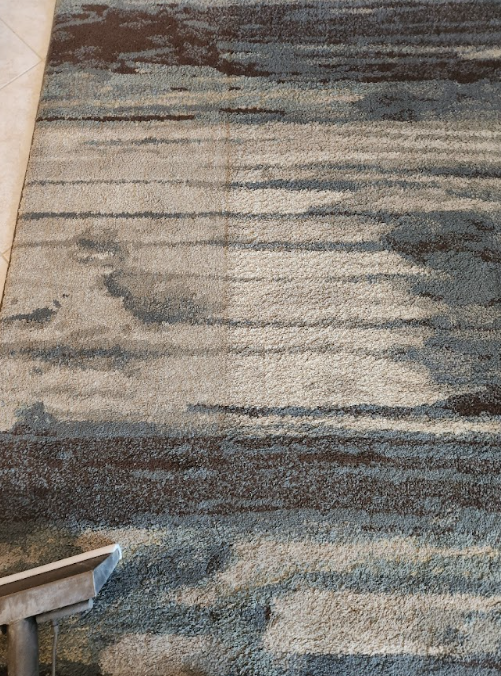
Why Rugs Need More Careful Cleaning Than Carpet
Unlike wall-to-wall carpet, rugs often have delicate fibres, intricate weaves and unique dyes. Wool, cotton, silk, natural fibres and synthetics all react differently to moisture, cleaning products and agitation. Without the right care, rugs can suffer:
- Fibre breakdown and thinning
- Colour fading or bleeding
- Fraying edges
- Embedded dirt and dull pile
- Lingering odours
How Dirt Damages Rug Fibres
Dirt is one of the most damaging things for a rug, and it’s not always visible. Gritty particles settle at the base of the pile, and every step grinds them against the fibres like sandpaper. Over time that causes thinning or balding patches, loss of softness and a dull, faded look. Vacuuming removes surface debris, but it can’t fully remove what has worked its way deep into the weave.
Rugs also act as filters, trapping dust, pollen, pet dander and other particles. That can help for a while, but as buildup grows it can add to indoor air quality problems, as the EPA’s indoor air quality guidance explains. Regular cleaning keeps that buildup in check, which matters in homes with pets, children or allergy sufferers.
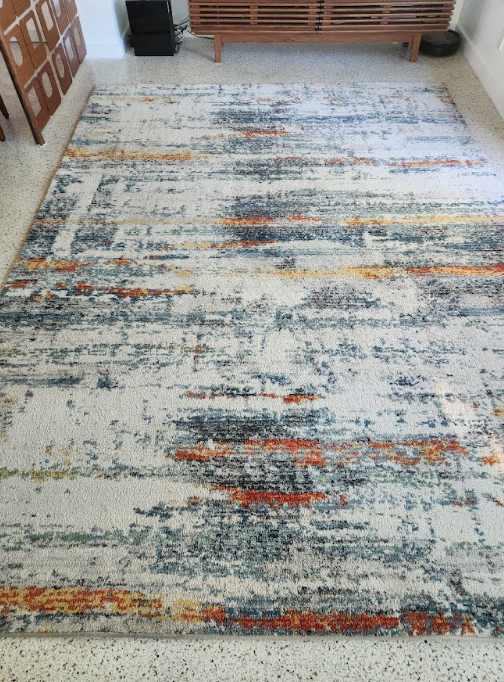
Different Rug Materials, Different Care
Wool rugs
Wool is a natural fibre with a lot going for it: it’s resilient, soft and naturally soil-resistant. It’s also absorbent and sensitive to pH changes, so harsh chemicals or too much moisture can cause discolouration, shrinkage or mildew. Wool-safe, pH-neutral detergents and careful moisture control are the rule. Avoid bleach, ammonia and other strong cleaners that can strip the wool’s natural oils and leave it dry and brittle.
Synthetic rugs
Synthetics are usually more resistant to stains and moisture, but they still hold embedded dirt and oils that need deep cleaning.
Natural fibre rugs (jute, sisal)
These need low-moisture cleaning, because too much water can cause warping and deterioration.
Silk and antique rugs
Delicate silk and antique or heirloom rugs need an individual assessment before any cleaning method is chosen.
Everyday Rug Care Between Cleanings
- Vacuum weekly, and twice a week in high-traffic areas. Use a gentle brush setting rather than aggressive agitation, and vacuum both sides if you can, so grit doesn’t build up underneath.
- Rotate the rug every few months (about every six months is a good rhythm) to even out wear and fading.
- Use a rug pad to add cushioning, stop slipping and reduce friction between the rug and the floor.
- Limit direct sunlight. Move the rug if you can, or use curtains, blinds or UV-protective window treatments.
- Blot spills straight away. Don’t rub.

Spills and Stains on Wool Rugs
Speed matters most. Stains that sit are harder to remove, and rubbing pushes liquid deeper into the fibres and spreads the stain.
- Scrape off any solids with a spoon or the blunt edge of a knife.
- Blot with a clean, dry cloth to absorb as much liquid as you can.
- If needed, use a little lukewarm water and a mild, wool-safe detergent, always blotting rather than scrubbing.
- Spot test first in an inconspicuous corner to check the colour is stable.
- Stop if the stain isn’t lifting, and call a professional.
We’d steer clear of home-remedy mixtures on wool. Acidic, alcohol-based and other improvised treatments can affect dye and fibres, and they’re a common reason a small stain becomes a permanent one. Large, set-in, greasy or pet stains are best left to professionals, who can identify the stain and match the treatment to the rug.
Why DIY Rug Cleaning Can Backfire
Store-bought products and rental machines are designed for wall-to-wall carpet or synthetic fibres, and they can do real damage to a rug. The most common mistakes are:
- Over-wetting the rug, which risks shrinkage, colour bleeding and mildew in Florida’s humidity
- Using harsh or incorrect cleaning solutions
- Scrubbing too aggressively
- Leaving detergent residue that attracts more dirt
What Professional Rug Cleaning Involves
Professional cleaning goes deeper than surface maintenance while protecting the structure of the rug.
- Inspection. We identify the fibre, construction, condition and dye stability, and note any stains or damage.
- Dry soil removal. Embedded grit is loosened and removed first, because grit left in the rug turns to mud once water is added.
- Matched cleaning solution. Wool-safe, pH-appropriate cleaners are chosen for the fibre. Stains are pre-treated individually.
- Cleaning and extraction. Dirt and solution are rinsed and extracted so residue isn’t left behind. The method and amount of water are chosen to suit the rug, whether that’s hot water extraction or a low-moisture approach for more delicate pieces.
- Thorough drying. Drying prevents mildew and shrinkage, which matters most in a humid climate.
- Optional protection. A rug protectant can help repel spills and slow soil buildup. It doesn’t make a rug stain-proof, but it buys time to blot.
Many owners notice brighter colours, a softer feel underfoot, reduced odours and lighter staining afterwards. Old stains, dye damage and wear can’t always be reversed, and we’ll tell you what to expect before we start.

Wool Rugs and Florida’s Humidity
Wool acts like a sponge, absorbing moisture from the air as well as spills. In Florida’s warm, humid climate, a damp or poorly dried rug is an invitation to mould and mildew, and the musty smell that comes with it. Keep rugs in ventilated rooms, run the air conditioning or a dehumidifier in muggy weather, and never leave a rug rolled up or covered while damp. If a rug does get wet, lift it off the floor, let air circulate underneath and call a professional rather than waiting to see what happens.
Signs Your Rug Is Due for a Professional Clean
- Colours look flat or dull even after vacuuming
- Dirty lanes or patches where people walk
- A stale or musty smell, especially after humid weather
- The pile feels rough, matted or gritty
- Visible stains that blotting hasn’t lifted
- More sneezing or allergy symptoms around the rug
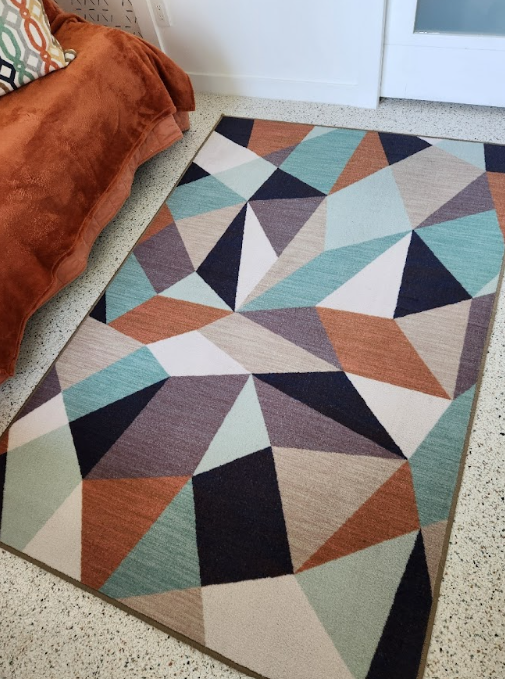
How Often Should Rugs Be Professionally Cleaned?
| Rug use | Suggested professional cleaning |
|---|---|
| Low-traffic areas | Every 12 to 18 months |
| Moderate traffic | Every 6 to 12 months |
| High traffic, or homes with pets or small children | Every 3 to 6 months |
Regular cleaning prevents buildup and keeps small problems from becoming serious damage. If you also have wall-to-wall carpet, carpet cleaning works the same way: consistency beats rescue jobs.
Where We Serve
Steambrite Cleaning Services provides wool and oriental rug cleaning for homes and businesses in Palm Harbor, Clearwater, Tarpon Springs, Trinity, Odessa, St. Petersburg, Oldsmar and nearby areas . See our Clearwater page or all service locations. We also clean upholstery, carpet and tile and grout, so you can book several services in one visit.
Frequently Asked Questions
How often should wool rugs be professionally cleaned?
It depends on traffic. Low-traffic rugs usually every 12 to 18 months, moderate traffic every 6 to 12 months, and high-traffic or pet households every 3 to 6 months.
Can I steam clean a wool rug myself?
We don’t recommend it. Wool is absorbent and sensitive to heat, moisture and pH, and rental machines are made for carpet. Too much water can cause shrinkage, colour bleeding and mildew.
What should I do when something spills on my wool rug?
Scrape off any solids, blot (don’t rub) with a clean, dry cloth, then use a little lukewarm water and a mild wool-safe detergent if needed. Spot test first, and call a professional if the stain doesn’t lift.
Which cleaning products are unsafe for wool?
Bleach, ammonia and other strong cleaners can strip the natural oils from wool, leaving it dry and brittle. Use only products labelled wool-safe.
How long does a wool rug take to dry?
It varies with the rug, the method and the humidity. Thorough drying is part of the service, because damp wool can develop mildew.
Will professional cleaning remove every stain?
Many stains improve a great deal, but old stains, dye damage and fibre wear can leave some discolouration. We’ll tell you what to expect before we start.
Do rugs really need to be rotated?
Yes. Rotating every few months evens out wear, fading and traffic patterns, and helps the rug last longer.
